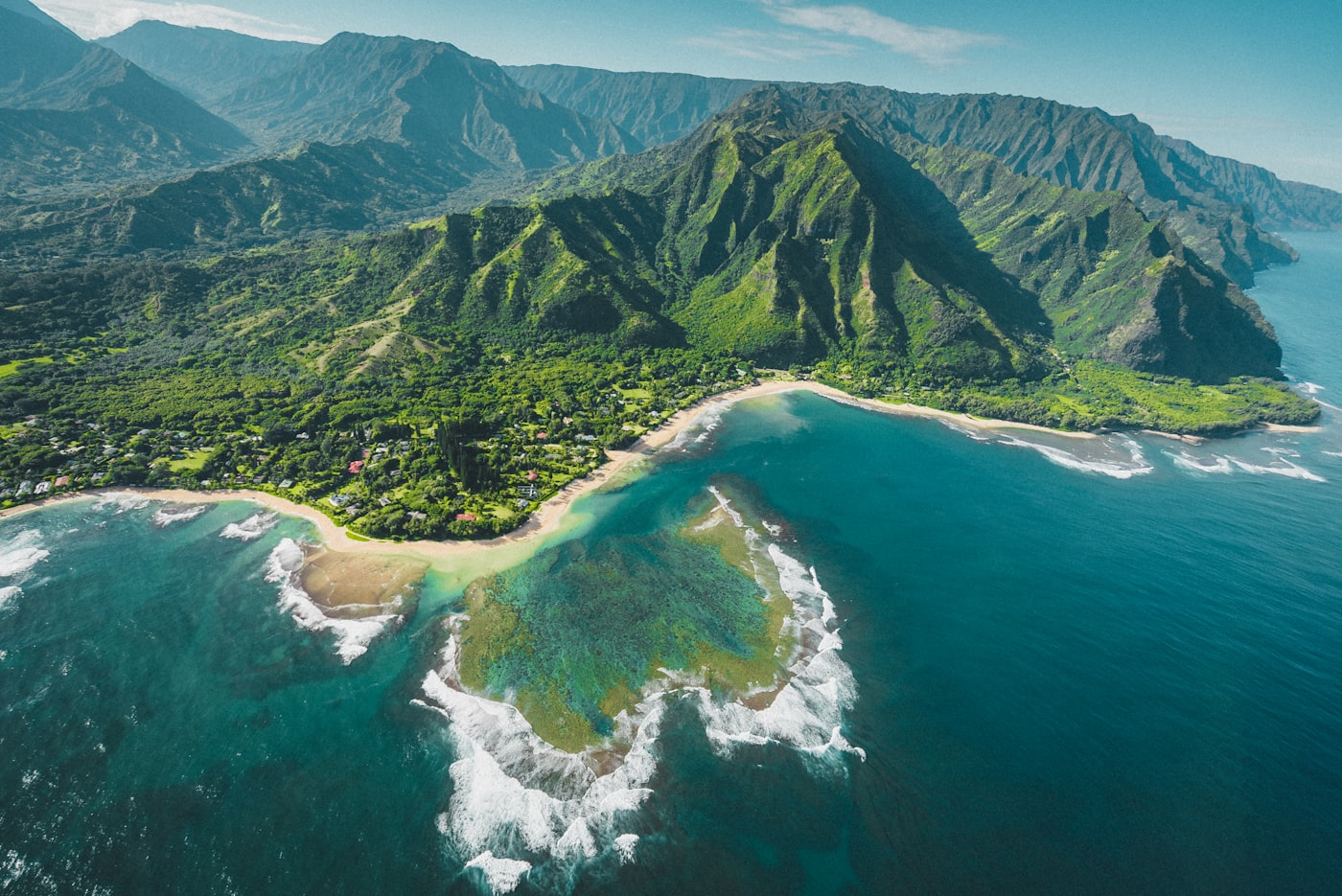
This Jeju Island Complete Travel Guide — Everything You Need to Know is the one resource I wish I had the first time I stepped off the plane at Jeju International Airport, luggage in one hand, zero idea what I was doing in the other. Jeju is South Korea’s largest island and its undisputed crown jewel — a UNESCO Triple Crown destination sitting about 90 kilometers off the southern coast of the peninsula, where volcanic rock meets turquoise sea and tangerine orchards line roads that smell faintly of salt and citrus. It genuinely feels like a different country compared to the Seoul you may have just left behind, and that contrast is exactly what makes it so addictive.
I’ve come to Jeju more times than I can honestly count — sometimes for cherry blossoms in April, sometimes just to sit on Hamdeok Beach with a can of Hallabong orange juice and decompress. Every single visit, the island surprises me. The east coast is wilder and less crowded than the west. The interior hides ancient lava tubes that most tourists never find. And the haenyeo — Jeju’s legendary female divers — are still out there at dawn, free-diving without oxygen in water cold enough to make your teeth ache. Once you see that, you understand that Jeju isn’t just a pretty island. It has a soul.
1,950m
Hallasan Summit — South Korea’s Highest Peak
1,846km²
Total Island Area
15M+
Annual Visitors (Pre-Pandemic Peak)
2007
Year Jeju Became UNESCO World Natural Heritage
Getting to Jeju Island — Flights, Ferries, and the Best Time to Visit
Getting to Jeju is refreshingly straightforward. Domestic flights from Seoul’s Gimpo Airport to Jeju International Airport take about 55 minutes, and this route is consistently one of the busiest air routes in the entire world — so book ahead, especially for weekends and Korean public holidays. Budget carriers like Jeju Air, T’way, and Jin Air regularly offer one-way tickets for as low as ₩25,000–₩50,000 (~$19–$38) if you catch a flash sale. Full-service carriers like Korean Air and Asiana hover around ₩80,000–₩120,000 (~$60–$90) one way. My personal move? Book at least three weeks out on a Tuesday or Wednesday morning — that’s when the budget carriers quietly drop prices.
If you’re coming from Mokpo or Busan on the mainland, the Jeju ferry is a genuinely fun overnight option — tickets run about ₩25,000–₩70,000 (~$19–$53) depending on cabin class, and you arrive at Jeju Ferry Terminal right in Jeju City. As for timing, spring (late March to early May) is when Jeju erupts in cherry blossoms and canola flower fields — the island turns yellow and pink almost overnight and it is one of the most beautiful things I’ve seen in Korea. Autumn (October–November) is equally stunning with cooler hiking weather on Hallasan. Summer is humid, crowded, and expensive, but the beaches are alive. Avoid Chuseok and Lunar New Year weeks unless you enjoy airport chaos with a smile.
💡 Insider Pro Tip
Jeju’s weather can shift dramatically within the same day — the north coast might be sunny while Hallasan’s summit is socked in clouds. Before you hike, check the Jeju National Park website’s live summit cam (not just a weather app) to confirm visibility at the top. Locals call the mountain “moody” for good reason, and many hikers reach Witseoreum shelter only to find they can’t continue to the crater due to sudden wind closures — a rule strictly enforced by rangers.
Where to Stay in Jeju — Neighborhoods, Hotels, and Hidden Guesthouses
Jeju City in the north is where most travelers base themselves, and it makes logistical sense — the airport is here, the ferry terminal is here, and Jeju City’s Chilseong-ro street has every convenience store, noodle shop, and pharmacy you’ll need. Mid-range hotels around Sinjeju (New Jeju) area run about ₩80,000–₩150,000 (~$60–$115) per night, while the waterfront Jeju Old City (구제주) area has charming boutique guesthouses tucked behind Black Pork Street (흑돼지 거리) for as low as ₩60,000 (~$46) a night. The insider move that most travel guides skip entirely: stay one or two nights in Seogwipo in the south. The pace is slower, the scenery is dramatically more rugged — Cheonjiyeon Waterfall is a five-minute walk from several guesthouses — and you’ll avoid the northern tourist crowds entirely.
For a truly special experience, Jeju’s 펜션 (pension) culture is something you simply must try at least once. These are private cottage-style stays, often with outdoor BBQ setups and ocean views, scattered across the eastern Seongsan and Py
If you’ve ever wanted a truly honest, street-level take on the Best Cafes in Seoul — A Neighborhood-by-Neighborhood Guide, you’re in exactly the right place, because after twelve years of living here and easily thousands of hours with a latte in hand, I can tell you that Seoul’s cafe culture isn’t just impressive — it is, without exaggeration, the most developed and creatively obsessive coffee scene I have encountered anywhere in the world. Seoul has more cafes per capita than any other major global city, and the competition between them pushes standards so high that even a random side-street spot in a quiet residential alley will serve you a better flat white than most celebrated roasters in London or New York.
What makes Seoul’s cafe scene genuinely special isn’t just the coffee itself — it’s the way each neighborhood has developed its own distinct cafe personality. Insadong smells like roasted barley and rain-dampened hanok wood. Seongsu feels like Brooklyn if Brooklyn had better design sensibility. Yeonnam is all pastel walls and indie playlists. Knowing which neighborhood matches your mood is the real skill, and that’s exactly what I’m going to hand you today — neighborhood by neighborhood, exit by exit, cup by cup.
Let me start with Seongsu-dong, because if you only have one afternoon for Seoul cafe-hopping, this is where I’d drop you off. Get off at Seongsu Station on Line 2, Exit 3, and within a five-minute walk you’ll pass converted leather factories that now house some of the most architecturally striking cafes in Asia. Cafe Onion Seongsu is the one everyone photographs — a crumbling industrial building with intentionally unfinished concrete walls, exposed rebar, and a rooftop that draws a line out the door on weekends. Their milk bread (₩3,500, about $2.60) is worth the queue alone. But the insider move is to head two blocks south and find Fritz Coffee Company’s Seongsu outpost, which roasts its own beans on-site and produces a nutty, sweet espresso that locals quietly consider the neighborhood’s best. Grab a single-origin pour-over for ₩8,000 (~$6) and take it to the courtyard. The baristas here — almost all of them trained at specialty roasters in Europe — will happily geek out about origin profiles if you show any curiosity.
Cross the river in spirit (you’ll stay on the north side physically) and head to Yeonnam-dong, which sits just west of Hongdae and has aged gracefully as Hongdae itself got loud and commercialized. Exit Hongik University Station on Line 2, Exit 3, then walk straight through the Gyeongui Line Forest Park — a converted railway corridor lined with small independent cafes on both sides. Anthracite Coffee on the Yeonnam stretch occupies a former shoe factory and has the most gorgeous industrial-meets-Scandi interior in the city. Order their cold brew (₩7,500, ~$5.50) served in a tall glass with a single large ice cube — it’s a statement drink. The unwritten rule in Yeonnam is that you don’t rush. Tables are meant to be held for hours. Bring a book, open your laptop, and settle in — nobody will give you a second glance.
💡 Insider Pro Tip
In Seongsu, cafes on the main tourist drag fill up by 11am on weekends. Walk one block east or west of the main road and you’ll find equally beautiful, far less crowded spots with no wait. Also — Kakao Map (not Google Maps) is far more accurate for Seoul cafe hours and real-time crowd levels. Download it before you go; it even shows if a cafe is currently busy.
Insadong, Bukchon & Ikseon-dong — Traditional Atmosphere, Modern Coffee
The hanok neighborhoods north of Jongno give you something the trendier areas simply cannot — the feeling of sipping a carefully made latte inside a 100-year-old wooden house while the city hums quietly outside the paper-screen doors. This is one of the most underrated Seoul cafe experiences for first-time visitors, and it’s still genuinely local. Start at Anguk Station on Line 3, Exit 1, and walk five minutes into Bukchon Hanok Village. Bukchon Traditional Tea House sits on one of the upper alleys and serves sujeonggwa (cinnamon persimmon punch, ₩6,000, ~$4.40) and sikhye (sweet rice drink) alongside decent drip coffee. Sit on the wooden maru (veranda), look out over the tiled rooftops toward Namsan Tower in the distance,
If you’ve been searching for the Best Cafes in Seoul — A Neighborhood-by-Neighborhood Guide, let me tell you right now: you are about to fall completely in love with this city’s coffee culture, and I say that after twelve years of personally haunting every alley, rooftop, and converted hanok from Bukchon to Mangwon. Seoul doesn’t just do cafes well — it has turned the cafe into a cultural institution, a design statement, and honestly, a way of life. On any given Tuesday morning, you’ll find university students camped for four hours over a single Americano, couples on first dates nervously stirring their lattes, and freelancers running entire businesses from marble tables. The Seoul cafe scene is layered, neighborhood-specific, and constantly evolving, which is exactly why I wrote this guide the way I did — street by street, exit by exit, so you never waste a single step.
What makes Seoul’s cafe culture genuinely different from anywhere else I’ve traveled is that the best coffee shops in Seoul aren’t just places to drink — they are destinations engineered with obsessive precision. A cafe in Seongsu-dong might occupy a reclaimed factory floor with exposed concrete ceilings twenty meters high. One in Insadong could be a 100-year-old hanok where the barista serves your pour-over in a traditional ceramic cup beside a courtyard full of persimmon trees. Prices are remarkably consistent across the city — expect to pay ₩5,500–₩7,000 (~$4–$5.20) for a specialty Americano and ₩6,500–₩9,000 (~$4.80–$6.70) for a signature latte — which means your only real challenge is choosing which neighborhood to start in. Let me make that easier for you.
17,000+
Cafes in Seoul
₩6,500
Avg. Latte Price
25
Distinct Cafe Districts
12.8M
Seoul Population
Seongsu-dong & Hongdae — Seoul’s Most Photogenic Cafe Neighborhoods
Seongsu-dong is the neighborhood I bring every single visitor to first, without exception. Get off at Seongsu Station (Line 2, Exit 3), turn left past the shoe repair workshops — yes, they’re still there, still real — and within five minutes you will understand why this place earned the nickname “Seoul’s Brooklyn.” The industrial bones of the area, all corrugated iron and raw concrete, have been adopted rather than demolished, and the cafes here lean hard into that aesthetic. Daelim Changgo (대림창고), tucked at the end of a narrow loading lane off Yeonmujang-gil, is the original pioneer — a converted warehouse where the ceilings soar and the iced lattes (₩7,500, ~$5.60) arrive in glasses the size of small vases. The insider detail nobody tells you: arrive before 10am on weekdays and you’ll often have the whole back courtyard to yourself, which is extraordinary given that this place is packed wall-to-wall by noon on weekends. Also in Seongsu, don’t miss Onion Seongsu — its crumbling exterior looks abandoned, but inside is one of the most stunning spatial designs in the city, and their butter-soaked morning buns (₩4,200, ~$3.10) sell out before 11am daily, no exceptions.
Hongdae, reachable via Line 2, Exit 9, is an entirely different energy — louder, younger, crackling with art school restlessness. The Hongdae cafe district stretches from the main university gate toward Sangsu-dong, and this gradual walk southward is where the cafes get progressively more interesting. Near the main strip, Cafe Bora (카페 보라) is famous for its purple taro soft-serve (₩5,000, ~$3.70), but locals know that the real gem is a two-minute walk away on a side street: Fritz Coffee Company (프릳츠 커피 컴퍼니) in Mapo, serving some of the most serious specialty roasts in the city — their single-origin filter coffee changes weekly (₩7,000, ~$5.20) and the bakers arrive at 5am so the sourdough is genuinely fresh. The local trick here is to grab a seat on the narrow second-floor ledge facing the street, order a flat white, and watch the neighborhood wake up around you.
💡 Insider Pro Tip
In Seongsu-dong, the cafes along Seoulsup-gil — the street that runs alongside Seoul Forest — rotate their seasonal menus every 4–6 weeks. If you’re visiting in autumn, ask specifically for the 고구마 라떼 (sweet potato latte, ₩6,500, ~$4.80) — most places only list it on a small chalkboard near the counter, never on the main menu board. It’s one of those quiet Seoul autumn rituals that no guidebook will mention.
If you have ever needed a single, definitive resource for experiencing Korea in Spring — Ultimate Cherry Blossom Guide is exactly what you are holding right now, and I wrote it because every March I watch first-time visitors make the same heartbreaking mistake: they book Seoul for peak bloom week, show up at Yeouido at high noon on a Saturday, and spend three hours shoulder-to-shoulder in a crowd so thick they never actually see the sky. I have been living here for over twelve years, and the cherry blossom season still makes me stop mid-commute and stare — but knowing where to stand, when to arrive, and which lesser-known tunnels of pink petals are completely empty is what turns a stressful tourist moment into a memory that rewires your brain.
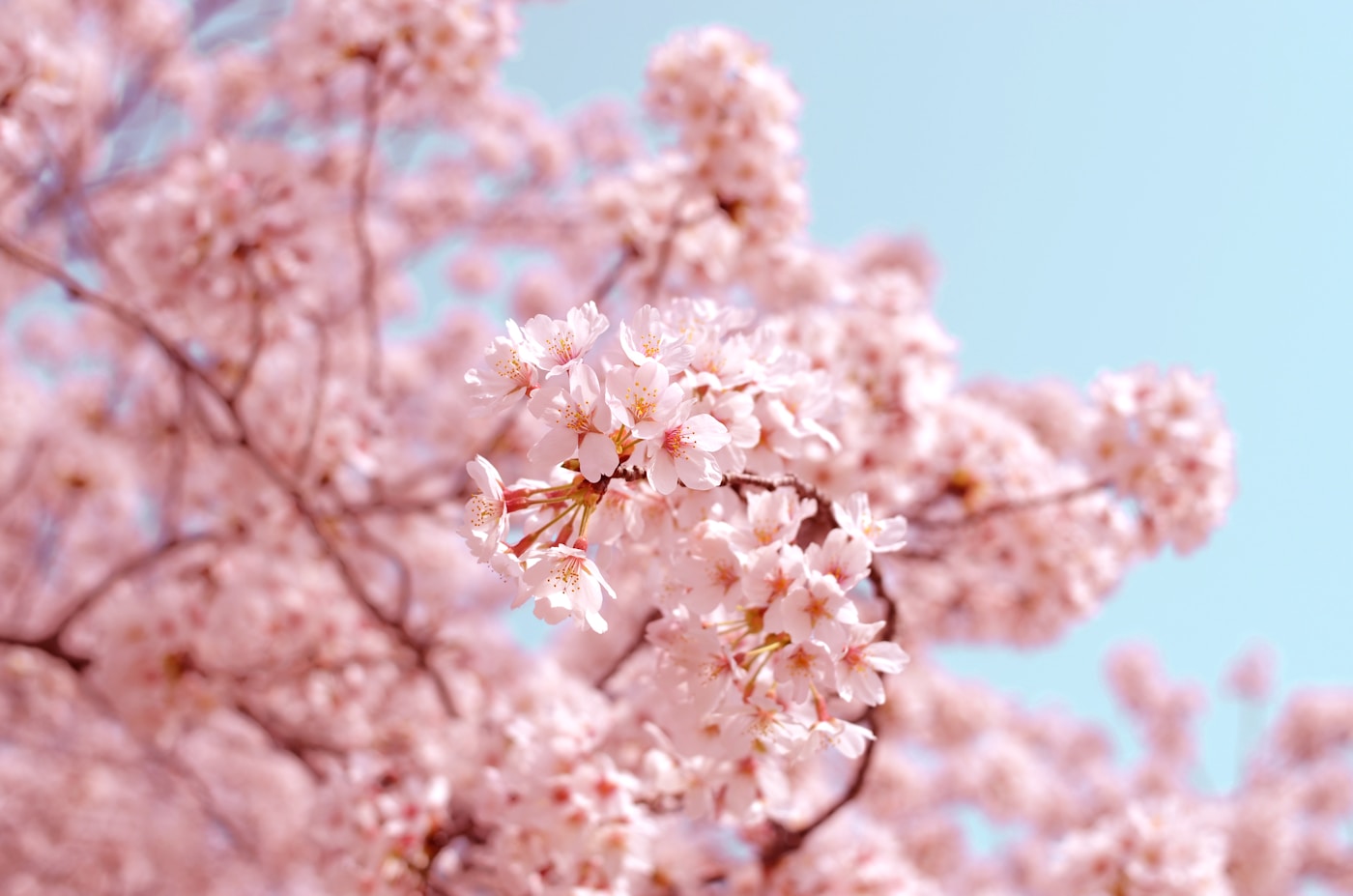
Korea’s spring cherry blossoms — called beot-kkot (벚꽃) in Korean — are not just pretty trees. They are a cultural event the entire country prepares for with the same seriousness as a national holiday. Weather apps tracking bloom forecasts get downloaded by millions. Office workers book picnic spots at 6 a.m. Families drive four hours for a single weekend in Gyeongju. And underneath all of that communal joy is something genuinely moving: the blossoms last only seven to ten days, and every Korean person seems to understand instinctively that beauty is worth chasing precisely because it disappears. Spending spring in Korea around cherry blossom season will change how you see time itself — and this guide will make sure you do it right.
7–10
Days Full Bloom Lasts
1,400+
Cherry Trees at Yeouido
Late Mar
Jeju Peak Bloom Window
~63km
Jinhae Festival Route Length
Where to See Cherry Blossoms in Korea — The Spots That Actually Deliver
Let me walk you through the hierarchy of cherry blossom spots the way I would explain it to a close friend over coffee. At the top sits Jinhae in South Gyeongsang Province — this is the undisputed heavyweight. The Gunhangje Festival turns the entire city into a pink corridor, and the famous Gyeonghwa Station tunnel of cherry trees is as surreal as the photos suggest. But here is what the blogs do not tell you: take the train to Jinhae Station (not Changwon Central), and get there before 8 a.m. on a weekday. I have walked that station platform in near-silence at 7:30 a.m. while the afternoon crowds were still an hour away by train — it felt like a dream someone forgot to end. The festival typically runs late March to early April, and entry to most outdoor areas is completely free.
In Seoul, Yeouido Hangang Park (Line 5, Exit 2 or 3) is the big-ticket show — 1,400 trees lining the boulevard make it legitimately spectacular. But my personal favourite in the city is Changgyeonggung Palace (Line 4, Exit 6), where the cherry blossoms frame the palace’s curved rooftlines in a way that makes you forget you are standing in a capital city of ten million people. Entrance is only ₩1,000 (~$0.75) for adults. Even fewer people know about Anyang Art Park in Gyeonggi-do — a 40-minute subway ride from Express Bus Terminal Station — where a riverside path carpeted in petals stays genuinely quiet even on spring weekends. And if you can get yourself to Gyeongju, the UNESCO-heritage city about 2.5 hours from Seoul by KTX (₩44,800 / ~$33 one-way), cherry blossoms falling over ancient royal burial mounds create a scene that is completely unique on earth.
💡 Insider Pro Tip
The Korea Meteorological Administration publishes an official cherry blossom forecast (개화예보) every spring — search “벚꽃 개화예보” on Naver, not Google, because Korean weather portals update it daily with regional bloom maps. Bookmark it two weeks before your trip and check it every morning. The difference between “budding” and “70% bloom” is the difference between a pretty walk and a life-changing one. Locals follow this religiously — now you can too.
When to Go — Timing Your Korea Spring Cherry Blossom Visit Like a Local
The bloom moves northward like a slow pink wave. Jeju Island leads the charge every year, typically hitting peak bloom in the final week of March — if you are flexible and can grab a cheap flight (Jeju Air and T’way often have Seoul–Jeju tickets from ₩39,000 / ~$29 one-way if you book six weeks out), Jeju’s Nohyeong-dong intersection and the road up to Hallasan are otherworldly before the mainland crowds even start thinking about blossoms. Busan and Jinhae follow in the first week of April, and Seoul usually peaks
Korean Night Markets — Where Locals Actually Eat — are nothing like the sanitized food courts you’ll find inside shopping malls, and the moment you step into one after dark, the sizzle of tteokbokki hitting a hot iron pan and the smell of freshly fried twigim will make your stomach growl before you’ve even decided what to order first. I’ve spent over twelve years eating my way through these markets, and I’ll tell you honestly: this is where Korean food culture is most alive, most generous, and most deliciously chaotic. Vendors who’ve been standing at the same stall for twenty or thirty years will scoop an extra dumpling into your tray without a word, and the ajeossi nursing a paper cup of makgeolli at the table next to you is probably a retired teacher who comes here every Friday — not because it’s cheap, though it is, but because this is simply where people belong after dark in Korea.
What separates a real Korean night market from a tourist-facing street food strip is almost impossible to describe in a brochure — it’s the absence of English menus, the plastic stools that wobble on uneven pavement, the vendor who shouts “하나 더 드릴까요?” (Want one more?) before you’ve even finished chewing. Whether you’re navigating the legendary chaos of Gwangjang Market in Jongno or the breezy waterfront stalls of Tongyeong’s Seopirang Village night market down south, I want to help you eat where Koreans actually eat — not where they send tourists to eat.
1905
Gwangjang Market — Year Founded
5,000+
Night Market Vendors Nationwide
₩1,000
Avg Street Snack (~$0.75 USD)
10PM
Peak Hours — When Locals Arrive
Seoul’s Night Markets: Beyond the Instagram Spots
Gwangjang Market is the undisputed queen of Seoul night markets, and if you arrive via Line 1, Exit 8 around 7PM you’ll understand why it has operated continuously since 1905. The thing most guides won’t tell you is this: skip the front stalls closest to the entrance — those are the ones that raised their prices after appearing on Netflix. Walk instead to the back rows near the fabric section, where the bindaetteok (mung bean pancakes) are pressed and fried by women who learned the recipe from their mothers. A single generous portion runs about ₩4,000 (~$3), and the makgeolli that pairs with it is ₩3,000 (~$2.25) a bowl. You sit down, you pour for each other, and somehow an hour disappears. For a completely different vibe, head to Dongdaemun Night Market — accessible from Line 2 or 4, Dongdaemun History & Culture Park Station, Exit 1 — where the market runs until 5AM and the crowd is mostly fashion workers, designers, and club-goers fueling up on soondae (blood sausage) and hot soup at 3 in the morning. That hour, I promise you, is when Seoul feels most like itself.
💡 Insider Pro Tip
At Gwangjang Market, look for stalls with a handwritten sign that says “원조” (won-jo) — it means “original” or “the real one.” These are almost always the oldest family-run stalls with the most consistent quality. Also, the mayak gimbap (so-called “narcotic rice rolls”) vendor near the center aisle sells six pieces for just ₩3,000 (~$2.25) — dip them in the mustard-soy sauce provided, and you’ll understand the nickname immediately.
Regional Night Markets Locals Are Fiercely Proud Of
Seoul gets all the attention, but honestly some of the best Korean night market eating happens in cities where tourists rarely think to go. Busan’s Bupyeong Kkangtong Market (깡통시장) near Nampo Station on Line 1, Exit 7, comes alive at dusk with a maze of pojangmacha tents — those beloved orange-tarp covered street stalls — dishing out raw oysters with gochujang for ₩5,000 (~$3.75), grilled eel skewers, and a particularly excellent version of tteokbokki made with a thicker, chewier rice cake than you’ll find in Seoul. Locals here are fiercely loyal to their neighborhood vendor and will openly debate whose dakgalbi is superior while eating standing up. Down in Jeonju, the night market that runs along the edge of Hanok Village near Gyeonggijeon Shrine pulls in a Jeolla-province crowd who know their food with a scholar’s seriousness — here you eat jeon (savory pancakes) so packed with green onion and kimchi that grease runs down your wrist, and nobody minds. Jeonju’s makgeolli is served in a brass bowl, always refilled once for free, and the whole spread often costs under ₩15,000 (~$11) per person including drinks. That ratio of quality to price is something I genuinely haven’t found anywhere else on earth.
If you ask me which single destination in Korea has stopped me dead in my tracks more times than I can count, it is always Sokcho and Seoraksan — Korea’s Most Spectacular Mountain Escape — a place where razor-sharp granite spires erupt out of forested ridgelines and the East Sea glitters just twenty minutes away by taxi. I still remember the first time I stepped off the express bus from Seoul and felt that salt-and-pine air hit my face simultaneously — coastal breeze on one cheek, cool mountain draft on the other — and thought: this place genuinely has no business being this beautiful. Most travellers treat it as a long weekend trip, but after twelve years of coming back here every single autumn, I can tell you that Sokcho and Seoraksan reward the traveller who slows down, wanders past the tourist trailheads, and eats where the fishermen eat.
Sokcho itself is a compact coastal city of roughly 80,000 people, draped along the waterfront like a fishing village that quietly became one of Korea’s most beloved gateways to Seoraksan National Park. The park rises immediately behind the city — you can literally see Ulsanbawi Rock’s six granite columns from the parking lot of a convenience store on the main road — which means you can hike all morning, eat grilled fish at Abai Village for lunch, and watch the sun dip into the mountains from a rooftop café by evening. That loop, right there, is one of the best single days you can spend anywhere in this country.
1,708m
Daecheongbong Peak — Highest in Seoraksan
1982
Year Seoraksan Became a UNESCO Biosphere Reserve
398km²
Total National Park Area
3M+
Annual Visitors to Seoraksan
Getting to Sokcho — and the First Move Nobody Tells You
There is no direct train to Sokcho, which surprises a lot of first-timers. Your best option is the express bus from Seoul’s East Seoul Bus Terminal (동서울터미널) or Central City Terminal (고속버스터미널, Line 3/7/9, Exit 1). The ride takes about two hours and thirty minutes on a clear day — ₩18,100 to ₩22,000 (around $13–$16 USD) depending on whether you book standard or premium — and buses run roughly every 30 minutes during peak hours. I always book a window seat on the right side of the bus heading north, because somewhere past Yangyang you get your first glimpse of the Taebaek mountains tumbling toward the sea and it genuinely makes your heart rate pick up. Once you arrive at Sokcho Bus Terminal, city bus No. 7 or No. 7-1 takes you straight to the Seoraksan National Park entrance for ₩1,400 (about $1 USD) — skip the taxi unless you have heavy gear, because the bus drops you within a five-minute walk of the park gate and the driver will usually confirm your stop if you say “설악산” with even a hint of confidence.
The insider move on arrival day that almost nobody mentions: do not go straight to Seoraksan. Check into your accommodation, then walk to Cheongcho Lake (청초호) in the late afternoon light. This tidal lagoon sits right in the middle of the city, and the reflection of Seoraksan’s ridgeline on the still water at golden hour is one of the most quietly spectacular sights in all of Gangwon Province. It takes about twenty minutes on foot from the bus terminal, costs nothing, and sets the mood for everything that follows. Then, for dinner, head to Daepo Port (대포항) — not the Sokcho Jungang Market, which is fine but heavily touristed — and order a fresh plate of mulhoe (물회), a chilled raw fish soup with vinegar and spicy paste, for about ₩15,000–18,000 ($11–$13 USD). Fishermen from the boats docked ten meters away caught that fish this morning. That is Sokcho doing what Sokcho does best.
Hiking Seoraksan — Choosing Your Trail Like a Local
The national park entrance fee is ₩3,500 (about $2.50 USD) for adults — one of the best deals in Korean tourism — and the park divides loosely into three zones: Outer Seorak (외설악), Inner Seorak (내설악), and Southern Seorak (남설악). Most visitors only ever see Outer Seorak, which surrounds the main Sogongwon entrance area near the famous Sinheungsa Temple and the Ulsanbawi Rock trail. That trail is iconic for good reason — the 873-step iron staircase that hugs the cliff face up to Ulsanbawi is genuinely thrilling — but if you want space to breathe and scenery that is arguably even more dramatic, take the Biseondae (비선대) trail instead. It follows a crystal-clear mountain stream deep into a gorge, passing tiered waterfalls and cathedral-scale rock walls, and you can turn back whenever your legs tell you to. On a weekday in late October, I have had entire stretches of this trail almost entirely to myself while the Ulsanbawi path was shoulder-to-shoulder.
The best things to do in Busan — Korea’s second city — will genuinely surprise you, because this is not a place that plays second fiddle to Seoul in any meaningful way. The moment you step off the KTX at Busan Station and catch that first salty breeze rolling off the East Sea, something shifts in your chest — a loosening, a sense that this city moves at its own rhythm, one shaped by crashing surf, steep hillside alleys, and a port culture that’s been feeding and fueling Korea for centuries. Busan doesn’t try to be Seoul, and that confidence is exactly what makes it one of the most exhilarating destinations on the entire Korean Peninsula.
I’ve made this trip more times than I can count over the last 12 years, and every single visit unravels a new layer — a pojangmacha (street food stall) tucked behind Jagalchi Market I’d somehow missed, a secret sunset ledge above Gamcheon Village where zero tour groups ever seem to find their way, a raw oyster so fresh it still tasted like the sea. Busan rewards the curious traveler who is willing to wander off the main drag, and in this guide I’m going to make sure you do exactly that.
3.4M
Population — Korea’s 2nd largest city
7
Major beaches within city limits
2h 10m
KTX travel time from Seoul
1876
Year Busan port opened to trade
Beaches, Bridges & the Waterfront Soul of Busan
Haeundae Beach is the name everyone knows, and yes — you should go, especially in the early morning before the summer crowds turn the sand into a human mosaic. But the locals’ real secret is Songjeong Beach, about 15 minutes northeast of Haeundae by taxi (roughly ₩8,000–₩10,000 / ~$6–$7.50). It’s where actual Busan surfers train, the water is cleaner, and the vibe is about 10 years more relaxed. Grab a ₩4,000 (~$3) Americano from one of the surf cafés lining the shore and watch the wave sets roll in — this is Busan at its most unhurried and beautiful. If you’re staying near Haeundae, take Line 2 to Haeundae Station, Exit 3, and walk five minutes to the main beach strip. For Songjeong, Line 2 to Gijang direction, then a short taxi ride is your easiest bet.
The Gwangan Bridge — officially the Gwangandaegyo — is the city’s most iconic structure, a 7.4km double-deck suspension bridge that glitters at night like a strand of diamonds draped across the bay. The best view isn’t from the beach promenade where everyone stands with their phone. Walk up the residential streets directly behind Gwangalli Beach to the small Dongmang Hill overlook (no formal name, just follow the Instagram-addicted locals uphill from the main strip). From there, the bridge, the sea, and the entire Busan skyline sit in one perfect frame. Gwangan is served by Line 2, Gwangalli Station, Exit 3.
💡 Insider Pro Tip
Every Saturday night at 8 PM in summer, the Gwangan Bridge hosts a drone and fireworks light show visible from the entire beachfront. No tickets, no crowds — just show up at the beach by 7:45 PM and stake your spot on the sand. Locals bring convenience store chicken and beer (₩5,000–₩8,000 / ~$3.75–$6 a head) and make a proper night of it. This is the Busan experience no tour package ever includes.
Gamcheon Culture Village, Jagalchi Market & the Neighborhoods You Can’t Miss
Gamcheon Culture Village is one of the most photographed spots in all of Korea, and I want to be honest with you — it is worth the hype, but the way most tourists experience it completely misses the point. The organized trail with the stamp-collecting map is fine, but the real magic is ditching it entirely and just getting lost in the upper alleys above the main tourist circuit, where elderly residents still hang laundry between pastel walls and cats sleep on doorsteps as if the whole Instagram phenomenon never happened. The entrance is free; take Line 1 to Toseong Station, Exit 6, then bus 2 or 2-2 to the village stop (around ₩1,400 / ~$1 for the bus). Go on a weekday morning — weekend afternoons are genuinely overwhelming.
Jagalchi Market is Korea’s largest seafood market and one of the greatest sensory experiences the entire country has to offer. The outdoor vendors start setting up before dawn, and if you arrive around 7 AM you’ll see the real working market before the tourist foot traffic arrives. Head straight to the indoor building’s second floor, where you pick live seafood from the tanks on the ground floor — hairy crabs, sea squirts, live octopus, geoduck
This DMZ Tour Guide — Visiting the Korean Demilitarized Zone — is the one piece of travel advice I wish someone had handed me the first time I stood at Dorasan Station, staring north at empty train tracks disappearing into a country I could not enter, feeling something heavy and electric in my chest that I still cannot fully name. The Korean Demilitarized Zone is not a typical tourist attraction. It is a 248-kilometer-long, 4-kilometer-wide strip of enforced silence that has divided the Korean Peninsula since the 1953 Armistice Agreement — and standing at its edge, you will feel the weight of that silence in your bones.
What surprises most first-time visitors is just how close the DMZ is to Seoul. You can be eating breakfast in Hongdae and standing at the edge of one of the world’s most fortified borders before lunch. Over a million people visit the DMZ each year, yet somehow it never feels like a theme park. There is too much genuine history here, too much unresolved human longing on both sides of that razor wire, for this place to ever feel ordinary. Whether you are a history buff, a first-time visitor to Korea, or someone with Korean roots, the DMZ will leave a mark on you.
248km
Length of the DMZ
1953
Armistice Agreement Signed
60km
Distance from Seoul
1M+
Annual Visitors
How to Book Your DMZ Tour: What Nobody Tells You
You cannot visit most of the DMZ independently — this is the first thing to understand. The Joint Security Area (JSA) at Panmunjom and many restricted sites require you to go through a licensed tour operator, and those tours must be booked in advance, sometimes 24 to 48 hours ahead. The most popular DMZ tours depart from central Seoul, typically from in front of Dongdaemun History & Culture Park Station (Line 2/4/5) or from major hotels in Myeongdong. Full-day DMZ and JSA combined tours typically run between ₩99,000–₩130,000 (~$72–$95 USD) per person with a licensed operator like the USO tour, Koridoor, or Panmunjom Travel Center. Budget half-day DMZ-only tours (no JSA) start around ₩55,000 (~$40 USD) and are far easier to book last minute.
Here is the insider detail that most travel blogs skip entirely: the JSA tour requires passport registration, and your name gets submitted to the United Nations Command. Children under 10 and citizens of certain nationalities may face restrictions — always check at the time of booking. Also, tours are frequently cancelled without warning due to inter-Korean tensions or military exercises. I have seen tour groups turned around at the last checkpoint more than once. Book refundable options whenever possible, and mentally prepare for the tour to not happen. That uncertainty, by the way, is itself part of understanding this place.
💡 Insider Pro Tip
Book the USO DMZ Tour if you want the most authoritative JSA experience — it departs from Camp Kim in Yongsan and is led by US military personnel. It sells out weeks in advance, especially in spring and fall. Go to the USO Korea website directly and book the moment your travel dates are confirmed. Civilian-operated tours are fine for the Third Tunnel and Dora Observatory, but nothing matches the briefing you get inside the actual JSA with a soldier beside you.
What You’ll Actually See at the Korean Demilitarized Zone
Most DMZ tours from Seoul hit a cluster of sites in Paju, Gyeonggi-do, and every single one of them carries a different emotional frequency. The Third Infiltration Tunnel — discovered in 1978 — is genuinely eerie. You descend about 73 meters underground into a narrow, dripping passage that North Korea allegedly drilled for a surprise military advance on Seoul. You will wear a hard hat and crouch-walk for several hundred meters until you reach a concrete wall with a thick viewing window. North Korea painted the tunnel walls black and claimed it was a coal mine; there is no coal anywhere in that geology. It is a detail that lands differently once you are standing in the dark down there.
Dora Observatory gives you a panoramic look into North Korea on clear days — binoculars are available for ₩500 (~$0.37) — and you can see the so-called Propaganda Village (Kijong-dong), which most analysts believe is largely uninhabited. Dorasan Station is the most quietly devastating stop: a gleaming, modern train station built with the hope of inter-Korean rail connection, where the departure board still shows Pyongyang as a destination. The last train north ran in 2008. The Imjingak Peace Park nearby is where many Koreans — especially those from families separated by the division — come to leave offerings and prayers facing north. Do not rush through Imjingak. Give it time.
Hiking in Korea — Best Mountain Trails for Every Level is honestly one of the most exciting topics I get to write about, because after twelve years of lacing up my boots on these peninsular peaks, I am still finding ridgelines and granite summits that completely take my breath away. Korea is a hiker’s paradise in a way that most visitors simply do not expect — about 70 percent of the entire country is mountainous, which means whether you are based in the heart of Seoul or down in the southern port city of Busan, a genuine mountain trail is almost always within subway distance. The mountains here are not just scenery; they are the soul of the country, woven into Korean culture, history, and daily life in a way that makes every hike feel like a story worth telling.
What I love most about hiking in Korea is how democratic it is. On a crisp Saturday morning at Bukhansan in Seoul, you will see a retired grandfather moving with the quiet confidence of someone who has summited a thousand times, a group of university friends in matching windbreakers sharing kimbap at a rocky overlook, and yes — nervous first-timers like many of my friends were on their first trip here, wondering if they have the legs for it. The answer, almost always, is yes. Korea’s trail network spans everything from gentle forest walks to knife-edge granite ridges, and once you understand the system, you will never want to stop coming back.
70%
Korea covered by mountains
22
National parks with hiking trails
1,950m
Hallasan summit altitude
13M+
Annual Bukhansan visitors
Best Beginner Mountain Trails — Where to Start Without Regrets
If you are brand new to hiking in Korea and staying in Seoul, Inwangsan (인왕산) is the trail I send every single first-timer to, and they always come back grinning. Take Line 3 to Dongnimmun Station, Exit 2, walk uphill for about ten minutes, and suddenly you are scrambling over smooth white granite boulders with the entire Seoul skyline stretching out behind you — the Han River glittering in the distance, Namsan Tower visible in the haze, the city humming below. The loop trail is only about 4.7 km and takes maybe two hours at a relaxed pace. There is no entry fee. The route winds past the beautifully restored Hanyangdoseong city wall, which dates back to 1396, and in the early morning you might catch shamanist rituals still taking place at Guksadang shrine near the base — one of those only-in-Korea moments that no guidebook can fully prepare you for.
For those wanting a beginner trail outside Seoul, Namsan in Gyeongju is an absolute gem. This gentle mountain sits right in the ancient Silla Kingdom capital and the entire hillside is essentially an open-air museum — stone Buddhas, pagodas, and carved rock faces hidden among the pine trees at every turn. Entry is free, the trails are well-marked in English and Korean, and the highest point is only 494 meters. Pack a kimbap from the GS25 near Gyeongju Station, take your time, and plan for a full half-day. The late afternoon golden light filtering through the pines here is something I still think about years later.
💡 Insider Pro Tip
At Inwangsan, avoid the main tourist entry point on weekends and instead start from the back entrance near Suseongdong Valley (수성동 계곡), accessed via a short walk from Gyeongbokgung Station, Line 3, Exit 4. You will skip 80% of the crowds and enter a genuinely quiet forest corridor that most visitors never discover. On hot summer days, the stream here stays refreshingly cold — locals bring their kids to wade in it.
Intermediate Korean Mountain Trails — Earn the View, Feel the Burn
Bukhansan National Park (북한산국립공원) is the mountain that made me fall properly in love with hiking in Korea, and it sits almost impossibly close to central Seoul — you can be on the summit ridge of Baegundae (836.5m) within 90 minutes of leaving Gangnam by subway. Take Line 3 to Gupabal Station, Exit 1, catch Bus 704 to the Bukhansan Ui trailhead, and start climbing. The Baegundae trail is around 9 km round trip with about 700 meters of elevation gain — firmly intermediate, with rope-assisted granite scrambles near the top that get your heart pumping. The entry fee is ₩1,600 (about $1.20), which is genuinely one of the best-value experiences in the entire country. On clear days in autumn, standing on that bare granite peak with the city below and the yellow and red forested ridgelines stretching in every direction is simply stunning. I have done this trail more than thirty times and it never gets old.
For something further afield, Seoraksan National Park (설악산국립공원) in Gangwon Province is where Korean hiking truly announces itself on a world stage
Bukchon Hanok Village — Seoul’s Most Beautiful Traditional Neighborhood — is one of those places that genuinely stops you in your tracks the first time you turn a corner and see it. One moment you are standing on a busy Jongno street surrounded by convenience stores and taxis, and the next you are looking down a steep alley lined with perfectly preserved curved clay-tile rooftops that seem to belong to a completely different century. Over 900 hanok — traditional Korean wooden houses — are packed into this hillside neighborhood between Gyeongbokgung Palace and Changdeokgung Palace, making it the largest surviving cluster of traditional urban architecture in the country.
I remember the first time I walked through Bukchon. It was a cold February morning, frost still sitting on the grey roof tiles, and the alleyways were almost empty. I had a paper cup of sikhye in my hands and absolutely nowhere to be. That feeling — of wandering through living history in a city of ten million people — is something I have been chasing in Seoul ever since, and Bukchon always delivers it. The neighborhood sits in the Gahoe-dong district of Jongno-gu, a neighborhood so historically significant that residents here have been building and maintaining homes in the same style for over 600 years.
Here is what most guides won’t tell you though: Bukchon is not a museum. Real families live behind those beautiful wooden gates. The neighborhood has a noise ordinance, community tension around overtourism, and a resident population that has had to fight very hard to stay. Understanding this before you go will make you a better visitor, and honestly, a much more thoughtful one. Let me walk you through everything you actually need to know.
Getting to Bukchon Hanok Village: The Right Approach
Getting here is straightforward, but where you enter from matters more than most people realize. The most convenient access is via subway Line 3 (the orange line) to Anguk Station — Exit 2 drops you almost directly at the southern gateway of the village. From Exit 2, walk straight north along Bukchon-ro for about five minutes and you will start seeing the neighborhood open up around you. The entire walk from the subway turnstiles to the famous Bukchon-ro 11-gil viewpoint — that sweeping staircase alley shot you have definitely seen on Instagram — takes roughly twelve minutes at a comfortable pace.
You can also approach from Gyeongbokgung Station on Line 3 (Exit 1) if you are planning to visit the palace first and roll Bukchon into the same morning, which I always recommend. Walk east along Yulgok-ro and the hanok rooftops will start appearing to your right within ten minutes. A third approach, and my personal favourite on a clear autumn day, is coming down from Changdeokgung Palace on the north side. This drops you into the quieter upper reaches of Bukchon before the crowds have gathered, and the downhill walk through Gahoe-dong toward Anguk feels genuinely cinematic.
Taxis are fine too — just tell the driver “Bukchon Hanok Maeul, Anguk” and they’ll know exactly where to go. The ride from Myeongdong takes around ten minutes and costs roughly ₩6,000–8,000 (~$4.50–6). From Hongdae, budget about twenty minutes and ₩12,000–15,000 (~$9–11). There is essentially no parking here, and I would strongly advise against attempting to drive. The lanes are genuinely not wide enough and the locals are not particularly forgiving about it.
When to Visit — Timing is Everything in Seoul’s Traditional Neighborhood
Bukchon rewards early risers and punishes late sleepers. I am talking about arriving before 9:00 AM — ideally between 7:30 and 8:30 — if you want the alleyways with any real breathing room. By 10:30 AM on a weekend, the main photo spots are genuinely gridlocked with tour groups and the narrow lanes feel less like a historic neighborhood and more like a very stylish queue. The best light for photography also happens to be that early morning window, when soft golden sun catches the curved tile rooftops and the city below is still waking up.
Best Seasons to Visit
Autumn — specifically mid-October through mid-November — is the crown jewel season for Bukchon. The ginkgo trees along Bukchon-ro turn a deep butter yellow and the contrast against the dark grey tiles is something I still photograph every single year. Spring (April to early May) is a close second, with cherry blossoms drifting over the hanok walls along the Changgyeonggung Palace perimeter just minutes away. Summer is lush and green but intensely humid — plan any Bukchon visit before noon if you are coming in July or August. Winter is my secret favourite. The crowds thin dramatically, the bare trees give unobstructed rooftop views, and on a snowy morning the whole neighborhood looks like a woodblock print come to life.
Days to Avoid (and Why)
Saturday and Sunday afternoons between May and October are genuinely overwhelming. The neighborhood introduced quiet hours (no shouting, no group chanting by tour guides) starting at 10:00 AM daily, and signs in Korean, English, Chinese, and Japanese remind you of this throughout. Tuesday is my personal pick for the best weekday visit — slightly fewer tour groups than Monday, and many of the small craft galleries scattered through the neighborhood are open. Most galleries and small museums in the area close on Mondays, so keep that in mind if you are planning to pop inside any of the cultural spaces.
💡 Pro Tip
The famous “8-gyedan” viewpoint on Bukchon-ro 11-gil (the steep staircase with the sweeping hanok rooftop panorama) has a queue system in peak season — visitors are managed in batches by volunteers stationed at the top and bottom of the stairs. If you arrive before 9:00 AM on a weekday, there is no queue at all. But here’s the insider move: walk two alleys east to Bukchon-ro 5na-gil, which offers an almost identical rooftop view from a slightly higher elevation, almost zero crowds, and no volunteer management. Local photographers know this spot. Most tourists don’t.
What to Actually Do Inside Bukchon Hanok Village
The mistake I see most visitors make is treating Bukchon purely as a photography backdrop — walking in, getting their shots on the famous staircase alley, and leaving within thirty minutes. That completely misses what makes this neighborhood extraordinary. Give yourself at least two to three hours, and let yourself get genuinely lost in the side streets north of the main Bukchon-ro spine.
Cultural Experiences Inside the Neighborhood
The Bukchon Traditional Culture Center on Gahoe-dong (near Anguk Station Exit 2, free entry) runs hands-on workshops including hanji (traditional paper) craft making, tea ceremony, and traditional games. Slots fill up quickly so check the Seoul city website (visitseoul.net) in advance for workshop schedules — most run Tuesday through Sunday, and a two-hour session costs around ₩10,000–20,000 per person (~$7.50–15) depending on the activity. Completely worth it and almost embarrassingly underrated.
Dotted throughout the neighborhood are small galleries housed inside functioning hanok — the kind of place where you duck through a low wooden gate into a courtyard and suddenly find yourself looking at contemporary ceramics or traditional ink painting in a 150-year-old room. Arario Gallery in the adjacent Sogyeok-dong area (about a seven-minute walk from Anguk Station) blends contemporary art with traditional architecture in a way that feels genuinely Seoul — past and future colliding comfortably. Entry is usually ₩5,000–10,000 (~$3.75–7.50) depending on the current exhibition.
Eating and Drinking Near Bukchon
Inside the hanok village itself, food options are intentionally limited to preserve the residential character of the neighborhood. But step five minutes south toward Anguk-dong and Insadong and the options expand dramatically. For breakfast before your early morning walk, the bakery inside Gyeongbokgung Cultural Complex (open from 8:00 AM) does excellent coffee and pastries. For a proper post-walk lunch, Tosokchon Samgyetang on Jahamun-ro — a fifteen-minute walk northwest — serves arguably the best ginseng chicken soup (삼계탕) in the city at ₩17,000 (~$12.75) per bowl. They open at 10:00 AM, queues form fast, and the soup is worth every minute of waiting. For something lighter, the cafe strip along Bukchon-ro between Anguk and Gyeongbokgung Station has several excellent third-wave coffee shops tucked inside converted hanok, where you can sit in a traditional wooden room and drink a very good flat white. Prices run ₩6,000–9,000 (~$4.50–6.75) for espresso drinks.
Hanok Architecture — Understanding What You Are Looking At
One of the things I love most about guiding people through Bukchon is watching the moment when it shifts from “pretty old buildings” to something much more meaningful. The hanok you see here are not ancient originals frozen in amber — most were built during the Japanese colonial period in the 1920s and 1930s when a developer named Jeong Se-gwon constructed hundreds of smaller urban hanok to house Seoul’s growing middle class. They adapted traditional aristocratic hanok design to fit much smaller lots, which is why Bukchon’s hanok are more compact than the grand country estates you might see in Andong or Jeonju.
The curved roof tile (기와, giwa) is the defining visual element, and each curve is intentional — the upward sweep at the eaves was designed to maximize natural light into the low interior spaces while also managing rain drainage away from the wooden foundations. The wooden lattice screens (창살, changssal) on windows filter light beautifully and provided privacy without sacrificing airflow in Korea’s humid summers. The central courtyard (마당, madang) in larger hanok functioned as the social and functional heart of the home — cooking, drying, ceremonies, everything happened here. When you peer through a wooden gate and see a tidy stone courtyard, you are looking at centuries of considered domestic design.
Many residents have modernized their homes internally — underfloor heating systems, modern kitchens, air conditioning — while maintaining the exterior exactly as heritage regulations require. Seoul’s city government provides restoration subsidies to Bukchon homeowners to help cover the significant cost of maintaining hanok-compliant exteriors, which can run several times more expensive than standard modern construction. This is a genuinely complex and ongoing negotiation between preservation, livability, and tourism — and it’s one reason why the neighborhood feels alive rather than museum-static.
⚠️ Common Mistakes Foreigners Make
Photographing through open gates into private homes. Those wooden gates lead to someone’s living room, not a museum exhibit. If a gate is open, that is not an invitation. Keep your camera pointed at rooftops, alleyways, and public spaces — and always ask before photographing anyone you can see through a gate.
Arriving late morning on a weekend and expecting a calm experience. Bukchon between 11:00 AM and 3:00 PM on Saturday in October is genuinely one of the most congested pedestrian zones in Seoul. Come before 9:00 AM or after 4:30 PM when day-tour groups have cleared out.
Skipping the quieter northern and eastern alleys entirely. Everyone follows the same tourist route south of Gahoe-dong. Walk north of Bukchon-ro 3-gil and you will find yourself in near-empty residential lanes with just as much architectural beauty and none of the crowds — this is where I send every friend who visits Seoul.
Wearing completely the wrong shoes. Every single alley in Bukchon is either steeply uphill or steeply downhill, on uneven stone or traditional paving. Heels are genuinely painful here and flip-flops are borderline dangerous on wet days. Comfortable walking shoes with grip are non-negotiable.
🇰🇷 Know Before You Go — Cultural Context
Bukchon sits between two of the Joseon Dynasty’s five grand palaces — Gyeongbokgung to the west and Changdeokgung to the east — and this location was historically where high-ranking government officials (yangban aristocracy) lived, close to power and prestige. The neighborhood’s name literally means “Northern Village” (북촌), referring to its position north of Cheonggyecheon Stream, which historically divided the city’s upper and lower social classes. Understanding this geography of power helps you feel why the architecture here carries such a particular weight — these streets were the address of choice for Korea’s most influential families for six centuries.
Combining Bukchon with Nearby Seoul Neighborhoods
Bukchon’s location is genuinely one of its greatest practical advantages — it sits at the centre of a constellation of Seoul’s most rewarding neighborhoods, all walkable from Anguk Station. A well-planned day can comfortably combine three or four of these areas without ever touching a subway.
Insadong (인사동) is the most obvious pairing — a fifteen-minute walk south from Bukchon through Anguk brings you into this arts-and-crafts district full of traditional teahouses, pottery galleries, antique shops, and the wonderful Ssamziegil courtyard complex where local designers sell handmade goods. Insadong feels like an older, more commercial cousin to Bukchon — still culturally rich but more visitor-oriented. Budget an hour here minimum if you enjoy browsing craft work.
Samcheong-dong (삼청동) is my personal favourite pairing with Bukchon and is often underestimated. Walk north from the main Bukchon-ro spine through the hanok zone and you spill naturally into Samcheong-dong’s gallery district — a street lined with contemporary art spaces, independent clothing boutiques, excellent lunch spots, and some of the most beautifully designed cafes in the city. The transition from 600-year-old hanok lanes to cutting-edge Korean design spaces happens in about three minutes of walking, and that jarring, thrilling contrast is deeply Seoul. Lunch at one of the Korean fusion restaurants on Samcheong-ro runs about ₩12,000–18,000 (~$9–13.50) and the quality is consistently very good.
Gyeongbokgung Palace is a five-minute walk west from Anguk Station Exit 2 and makes a natural bookend to a Bukchon morning. Entry is ₩3,000 (~$2.25) for adults — genuinely one of the best value cultural experiences in all of Seoul — and the Changing of the Guard ceremony runs at 10:00 AM and 2:00 PM daily (except Tuesdays). If you rent hanbok (traditional dress) from one of the many rental shops outside the palace gates (₩20,000–40,000 / ~$15–30 for two to four hours), entry to the palace and most other royal palaces in Seoul is free. Walking through Bukchon in hanbok after a palace visit is a full sensory immersion in Seoul’s traditional identity, and I still recommend it even to visitors who have been to Korea multiple times.
✅ Your Complete Bukchon Checklist
Arrive before 9:00 AM — ideally between 7:30 and 8:30 AM on weekdays for empty alleyways and the best light
Take subway Line 3 to Anguk Station Exit 2 — this is the most direct and logical entry point to the neighborhood
Walk the main Bukchon-ro 11-gil staircase viewpoint first, then explore the quieter northern alleys above Gahoe-dong where crowds are minimal
Book a hands-on workshop at the Bukchon Traditional Culture Center in advance via visitseoul.net (₩10,000–20,000 / ~$7.50–15)
Combine with Samcheong-dong for lunch and gallery browsing, then Gyeongbokgung Palace (consider renting hanbok for free palace entry)
Wear comfortable, grip-soled walking shoes — the alleys are steep, uneven, and can be slippery when wet
Respect the quiet hours (10:00 AM onwards), keep voices low, and never photograph into open residential gates
Final Thoughts on Seoul’s Most Beautiful Traditional Neighborhood
After twelve years of living in Korea and bringing countless friends, family members, and first-time visitors through these alleyways, I can tell you with complete confidence that Bukchon Hanok Village earns its reputation as Seoul’s most beautiful traditional neighborhood — but only if you meet it on its own terms. Come early. Walk slowly. Put your phone down for at least twenty minutes and just stand somewhere quiet and absorb what it actually feels like to be in a living neighborhood that has maintained its identity against enormous pressure for six centuries. That is genuinely rare anywhere in the world, let alone inside a megacity of this scale and speed.
The families who live here, the preservationists who fight for it, and the city government that subsidizes its maintenance are all doing something important and difficult. The best thing you can do as a visitor is be worthy of that effort — curious, respectful, and genuinely present. Bukchon will give you back exactly what you bring to it. Bring your best self, arrive early, and I promise this neighborhood will be one of the most memorable hours you spend in Seoul.
사업자등록번호: 409-21-63662 | 상호: 정도상회
We use cookies to ensure that we give you the best experience on our website. If you continue to use this site we will assume that you are happy with it.