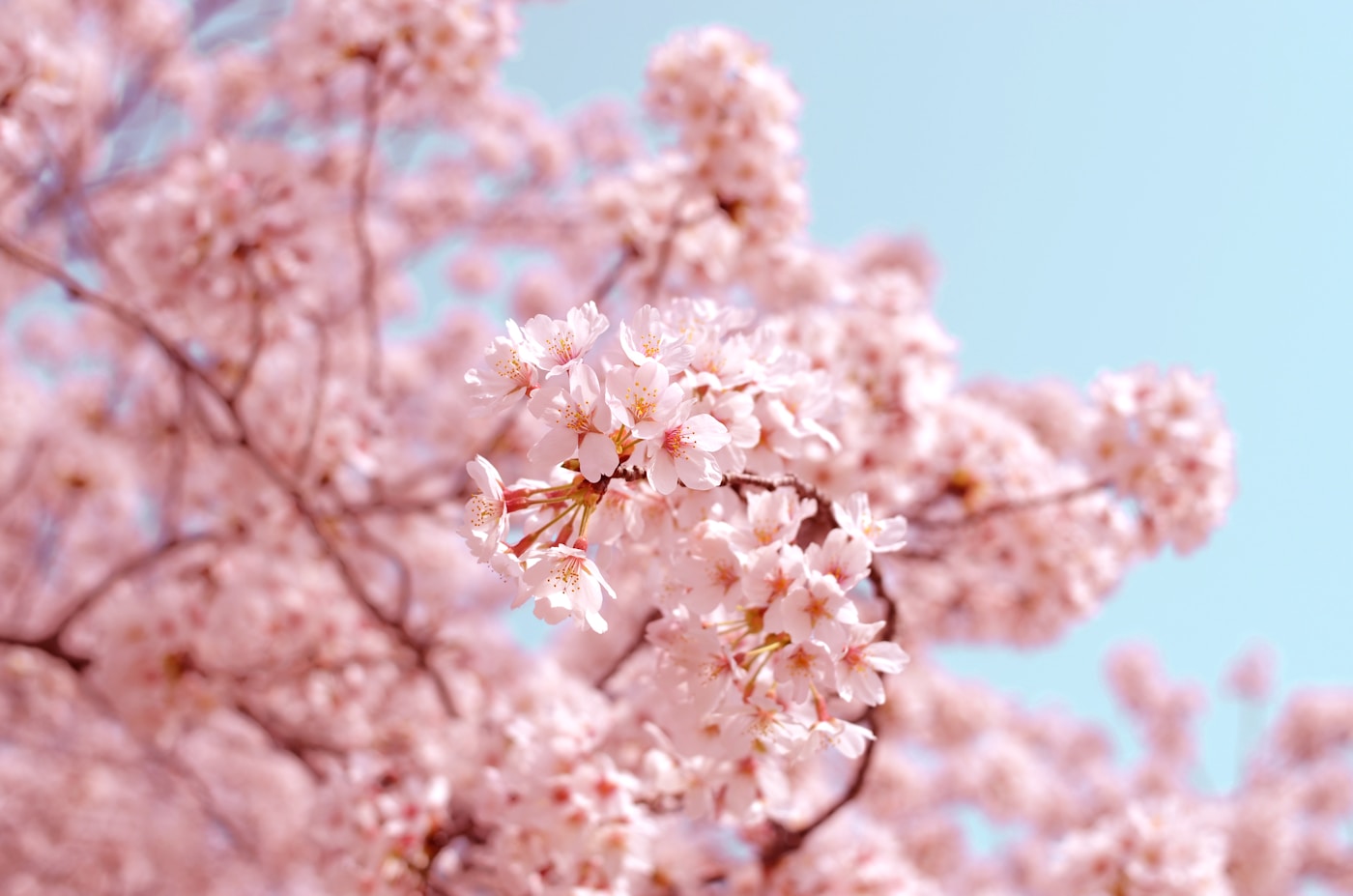
If you have ever needed a single, definitive resource for experiencing Korea in Spring — Ultimate Cherry Blossom Guide is exactly what you are holding right now, and I wrote it because every March I watch first-time visitors make the same heartbreaking mistake: they book Seoul for peak bloom week, show up at Yeouido at high noon on a Saturday, and spend three hours shoulder-to-shoulder in a crowd so thick they never actually see the sky. I have been living here for over twelve years, and the cherry blossom season still makes me stop mid-commute and stare — but knowing where to stand, when to arrive, and which lesser-known tunnels of pink petals are completely empty is what turns a stressful tourist moment into a memory that rewires your brain.
Korea’s spring cherry blossoms — called beot-kkot (벚꽃) in Korean — are not just pretty trees. They are a cultural event the entire country prepares for with the same seriousness as a national holiday. Weather apps tracking bloom forecasts get downloaded by millions. Office workers book picnic spots at 6 a.m. Families drive four hours for a single weekend in Gyeongju. And underneath all of that communal joy is something genuinely moving: the blossoms last only seven to ten days, and every Korean person seems to understand instinctively that beauty is worth chasing precisely because it disappears. Spending spring in Korea around cherry blossom season will change how you see time itself — and this guide will make sure you do it right.
Where to See Cherry Blossoms in Korea — The Spots That Actually Deliver
Let me walk you through the hierarchy of cherry blossom spots the way I would explain it to a close friend over coffee. At the top sits Jinhae in South Gyeongsang Province — this is the undisputed heavyweight. The Gunhangje Festival turns the entire city into a pink corridor, and the famous Gyeonghwa Station tunnel of cherry trees is as surreal as the photos suggest. But here is what the blogs do not tell you: take the train to Jinhae Station (not Changwon Central), and get there before 8 a.m. on a weekday. I have walked that station platform in near-silence at 7:30 a.m. while the afternoon crowds were still an hour away by train — it felt like a dream someone forgot to end. The festival typically runs late March to early April, and entry to most outdoor areas is completely free.
In Seoul, Yeouido Hangang Park (Line 5, Exit 2 or 3) is the big-ticket show — 1,400 trees lining the boulevard make it legitimately spectacular. But my personal favourite in the city is Changgyeonggung Palace (Line 4, Exit 6), where the cherry blossoms frame the palace’s curved rooftlines in a way that makes you forget you are standing in a capital city of ten million people. Entrance is only ₩1,000 (~$0.75) for adults. Even fewer people know about Anyang Art Park in Gyeonggi-do — a 40-minute subway ride from Express Bus Terminal Station — where a riverside path carpeted in petals stays genuinely quiet even on spring weekends. And if you can get yourself to Gyeongju, the UNESCO-heritage city about 2.5 hours from Seoul by KTX (₩44,800 / ~$33 one-way), cherry blossoms falling over ancient royal burial mounds create a scene that is completely unique on earth.
The Korea Meteorological Administration publishes an official cherry blossom forecast (개화예보) every spring — search “벚꽃 개화예보” on Naver, not Google, because Korean weather portals update it daily with regional bloom maps. Bookmark it two weeks before your trip and check it every morning. The difference between “budding” and “70% bloom” is the difference between a pretty walk and a life-changing one. Locals follow this religiously — now you can too.
When to Go — Timing Your Korea Spring Cherry Blossom Visit Like a Local
The bloom moves northward like a slow pink wave. Jeju Island leads the charge every year, typically hitting peak bloom in the final week of March — if you are flexible and can grab a cheap flight (Jeju Air and T’way often have Seoul–Jeju tickets from ₩39,000 / ~$29 one-way if you book six weeks out), Jeju’s Nohyeong-dong intersection and the road up to Hallasan are otherworldly before the mainland crowds even start thinking about blossoms. Busan and Jinhae follow in the first week of April, and Seoul usually peaks