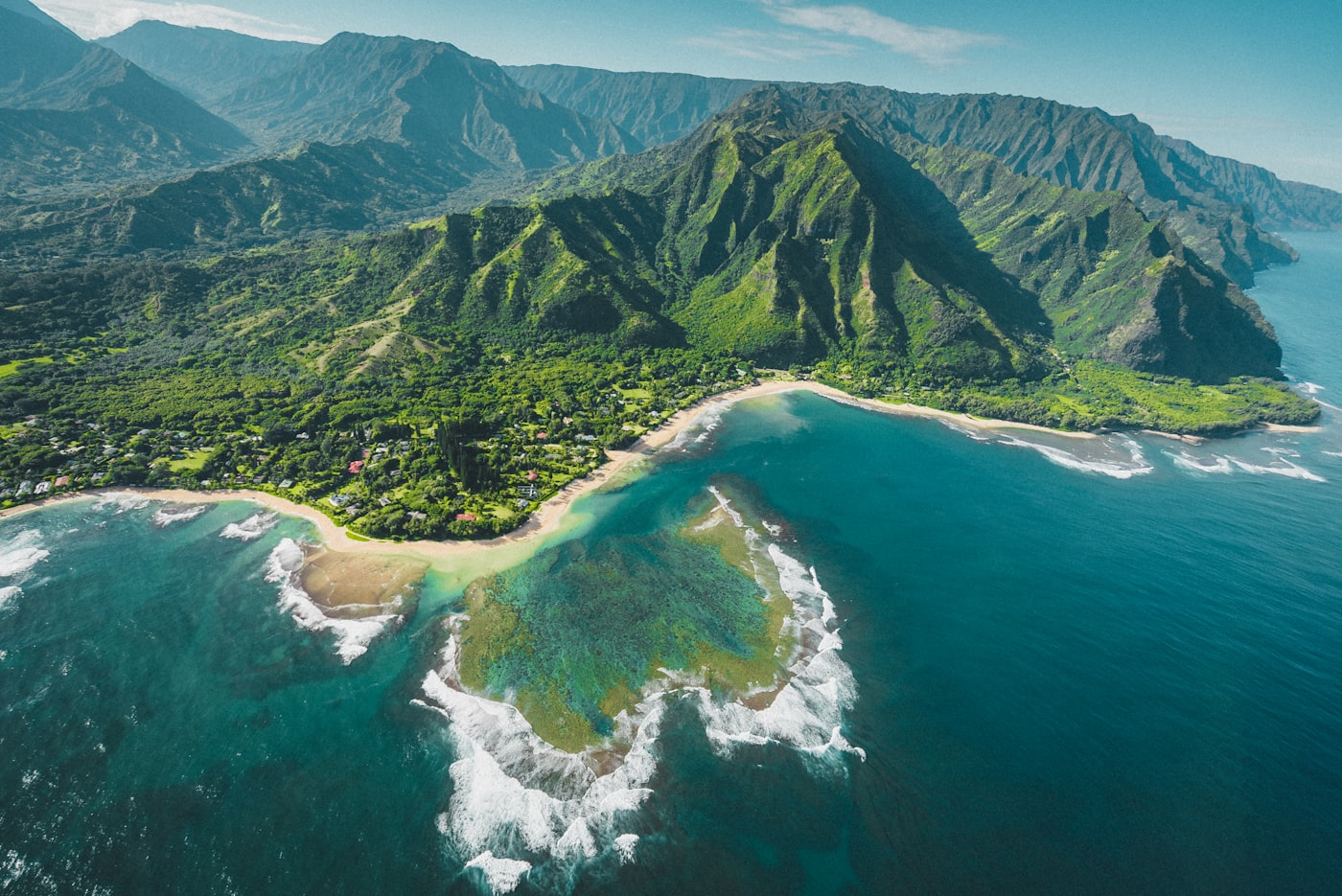
If you ask me which single destination in Korea has stopped me dead in my tracks more times than I can count, it is always Sokcho and Seoraksan — Korea’s Most Spectacular Mountain Escape — a place where razor-sharp granite spires erupt out of forested ridgelines and the East Sea glitters just twenty minutes away by taxi. I still remember the first time I stepped off the express bus from Seoul and felt that salt-and-pine air hit my face simultaneously — coastal breeze on one cheek, cool mountain draft on the other — and thought: this place genuinely has no business being this beautiful. Most travellers treat it as a long weekend trip, but after twelve years of coming back here every single autumn, I can tell you that Sokcho and Seoraksan reward the traveller who slows down, wanders past the tourist trailheads, and eats where the fishermen eat.
Sokcho itself is a compact coastal city of roughly 80,000 people, draped along the waterfront like a fishing village that quietly became one of Korea’s most beloved gateways to Seoraksan National Park. The park rises immediately behind the city — you can literally see Ulsanbawi Rock’s six granite columns from the parking lot of a convenience store on the main road — which means you can hike all morning, eat grilled fish at Abai Village for lunch, and watch the sun dip into the mountains from a rooftop café by evening. That loop, right there, is one of the best single days you can spend anywhere in this country.
Getting to Sokcho — and the First Move Nobody Tells You
There is no direct train to Sokcho, which surprises a lot of first-timers. Your best option is the express bus from Seoul’s East Seoul Bus Terminal (동서울터미널) or Central City Terminal (고속버스터미널, Line 3/7/9, Exit 1). The ride takes about two hours and thirty minutes on a clear day — ₩18,100 to ₩22,000 (around $13–$16 USD) depending on whether you book standard or premium — and buses run roughly every 30 minutes during peak hours. I always book a window seat on the right side of the bus heading north, because somewhere past Yangyang you get your first glimpse of the Taebaek mountains tumbling toward the sea and it genuinely makes your heart rate pick up. Once you arrive at Sokcho Bus Terminal, city bus No. 7 or No. 7-1 takes you straight to the Seoraksan National Park entrance for ₩1,400 (about $1 USD) — skip the taxi unless you have heavy gear, because the bus drops you within a five-minute walk of the park gate and the driver will usually confirm your stop if you say “설악산” with even a hint of confidence.
The insider move on arrival day that almost nobody mentions: do not go straight to Seoraksan. Check into your accommodation, then walk to Cheongcho Lake (청초호) in the late afternoon light. This tidal lagoon sits right in the middle of the city, and the reflection of Seoraksan’s ridgeline on the still water at golden hour is one of the most quietly spectacular sights in all of Gangwon Province. It takes about twenty minutes on foot from the bus terminal, costs nothing, and sets the mood for everything that follows. Then, for dinner, head to Daepo Port (대포항) — not the Sokcho Jungang Market, which is fine but heavily touristed — and order a fresh plate of mulhoe (물회), a chilled raw fish soup with vinegar and spicy paste, for about ₩15,000–18,000 ($11–$13 USD). Fishermen from the boats docked ten meters away caught that fish this morning. That is Sokcho doing what Sokcho does best.
Hiking Seoraksan — Choosing Your Trail Like a Local
The national park entrance fee is ₩3,500 (about $2.50 USD) for adults — one of the best deals in Korean tourism — and the park divides loosely into three zones: Outer Seorak (외설악), Inner Seorak (내설악), and Southern Seorak (남설악). Most visitors only ever see Outer Seorak, which surrounds the main Sogongwon entrance area near the famous Sinheungsa Temple and the Ulsanbawi Rock trail. That trail is iconic for good reason — the 873-step iron staircase that hugs the cliff face up to Ulsanbawi is genuinely thrilling — but if you want space to breathe and scenery that is arguably even more dramatic, take the Biseondae (비선대) trail instead. It follows a crystal-clear mountain stream deep into a gorge, passing tiered waterfalls and cathedral-scale rock walls, and you can turn back whenever your legs tell you to. On a weekday in late October, I have had entire stretches of this trail almost entirely to myself while the Ulsanbawi path was shoulder-to-shoulder.