
This Insadong Travel Guide — Art, Culture and Traditional Shopping in Seoul is the one you’ll want open on your phone the moment you step off at Anguk Station, because this neighborhood moves at its own pace and rewards the curious traveler who knows where to look. The second you turn off the main boulevard and duck into one of the narrow, lantern-hung alleyways branching off Insadong-gil, something shifts — the city noise drops, the air smells faintly of roasted barley tea and pine resin ink, and you realize you’ve stumbled into the cultural soul of a city that is otherwise barreling headfirst into the future.
I’ve walked this street more times than I can count over twelve years of living in Seoul, and it still surprises me. Not every shop is worth your time — plenty of them sell the same mass-produced celadon magnets you’ll see at the airport — but the gems here are genuine: calligraphy masters who grind their own ink, pojagi silk patchwork artists working in studios barely wider than a closet, and hanji paper craftspeople whose families have practiced the same techniques for generations. That tension between authentic tradition and tourist-facing commerce is exactly what makes Insadong fascinating rather than frustrating, and this guide will help you cut straight to the real stuff.
Getting There, Getting Oriented, and Getting the Most Out of Insadong
The cleanest way to arrive is via subway Line 3 (Orange Line) to Anguk Station, Exit 6 — you’ll surface right at the northern end of Insadong-gil and can walk the whole strip downhill at a comfortable angle, finishing near Jonggak Station on Line 1. Alternatively, Line 1 or Line 3 to Jonggak Station Exit 3 gets you to the southern entrance if you prefer walking uphill and saving the best clusters of galleries for last. I always go north-to-south: the northern stretch near Anguk is denser with serious antique dealers and proper art spaces, while the southern end near Ssamziegil blends into more casual shopping and street food. The walk from one end to the other takes about 15 minutes at a brisk pace but plan for at least two to three hours if you actually want to stop, look, and shop — and you should, because rushing Insadong is like speed-reading a poem.
One thing locals know that tourists often miss: the real action happens in the side alleys, not on the main strip. The alley called Insadong 10-gil on the eastern side hides some of the best traditional tea houses, including the legendary Dawon tea house inside the Unhyeongung Palace wall. Pull back the sliding wooden door, sit on the heated ondol floor, and order a bowl of ssanghwa-cha (medicinal herb tea, around ₩8,000 / ~$6) — the kind of slow, warming ritual that makes you forget Seoul has 10 million people in it. On weekends, Insadong-gil itself becomes a pedestrian-only street from 10am to 10pm, which completely changes the atmosphere and makes street photography genuinely wonderful.
Art Galleries, Cultural Spaces and What’s Actually Worth Seeing
Insadong has more gallery space per square meter than almost anywhere else in Seoul, and the range runs from world-class to wildly experimental. The Gallery Hyundai and Gana Art Space in the neighborhood have hosted Korean masters whose work sells internationally, but I’d push you toward the smaller independent spaces where you can actually talk to the artists. Look for the narrow stairwells with handwritten signs pointing upstairs — these second and third-floor micro-galleries charge no admission and often have the owner sitting right there, happy to explain the work in broken English and enormous enthusiasm. The Seoul Museum of Art has a satellite space nearby as well, but the crown jewel for cultural depth is the Unhyeongung Royal Residence (입장료 ₩1,000 / ~$0.75 — yes, really, less than a dollar), a Joseon-era palace complex that most visitors walk straight past because it doesn’t look grand from the street.
For contemporary Korean craft and design, Ssamziegil (쌈지길) is a must. This multi-story open-air courtyard complex was built in 2004 on the site of an old hanok cluster and the architects designed it as a continuous spiral walkway — you enter at ground level and spiral upward past around 70 independent shops selling handmade jewelry, ceramics, illustrated prints, and upcycled fashion. Nothing inside is mass-produced; every seller makes or curates their own goods. Budget ₩20,000–₩80,000 (~$15–$60) for a genuinely unique souvenir here, and check the central courtyard for free weekend performances — anything from traditional drumming to indie folk sets happens down there on Saturday afternoons, completely unannounced.
Visit Insadong on a Tuesday or Wednesday morning if you
Sokcho and Seoraksan — Korea’s Most Spectacular Mountain Escape

If you’re searching for one trip that genuinely earns the word “breathtaking,” then Sokcho and Seoraksan — Korea’s Most Spectacular Mountain Escape — is the answer, and honestly, I’ve been telling people this for over a decade without ever feeling like I’m overselling it. There’s a moment that happens to almost everyone on their first morning here: you step outside your guesthouse, the East Sea is glinting silver behind you, and in front of you, the granite peaks of Seoraksan are catching the very first light of dawn — rust-orange in autumn, bone-white in winter, impossibly green in summer — and you just stop. You don’t take a photo right away. You just stop and look, because some views in Korea demand a moment of silence before you reach for your camera.
Sokcho itself is a compact coastal city that most Koreans associate with two things: Seoraksan National Park and the freshest seafood you can eat in the country. The combination of jagged mountain and open sea in such a small geographic footprint is genuinely rare, and it’s the reason this corner of Gangwon-do punches so far above its weight on Korea’s domestic travel circuit. Locals from Seoul pour up here on long weekends — and I mean pour — so timing and planning matter enormously. But get it right, and you’ll find yourself on a trail where the silence is so complete you can hear the wind threading through pine needles a hundred meters away, then sitting down an hour later to a bowl of spicy kkotgetang (flower crab stew) with the harbor view right in your face. That’s the Sokcho rhythm, and once you feel it, you’ll be back.
Getting to Sokcho — The Journey Is Part of the Story
There’s no direct train to Sokcho — that’s the first thing to know and the thing that trips up most first-timers. The fastest way from Seoul is the express bus from Seoul Express Bus Terminal (고속버스터미널, served by Line 3/7/9, Exit 1) or from Dong Seoul Bus Terminal (동서울버스터미널, Line 2, Exit 4). The ride to Sokcho takes roughly 2 hours 30 minutes to 3 hours depending on traffic, and tickets run about ₩22,000–₩27,000 (~$16–$20) one way. Book through Kobus (kobus.co.kr) at least a day ahead on weekends — I’ve watched people show up on Saturday mornings and wait four hours for a seat. The bus drops you at Sokcho Express Bus Terminal, and from there the city’s excellent local bus network takes you everywhere. Bus No. 7 and No. 7-1 run directly from the terminal up to the Seoraksan National Park entrance in about 25 minutes for just ₩1,500 (~$1.10). A local secret: if you’re staying near Abai Village or the harbor area, ask your guesthouse owner which stop to use — the Sokcho bus numbering is not always intuitive for newcomers, and the wrong stop can add a frustrating 20-minute walk with a full backpack.
Seoraksan National Park — How to Actually Experience It
The park entrance fee is ₩3,500 (~$2.60) per adult — one of the best-value admissions in all of Korea, frankly. But the real decisions start here, because Seoraksan has distinct zones and most visitors only ever see Outer Seorak (Oeseorak), which is absolutely fine but only half the story. The Ulsanbawi Rock trail is the iconic beginner-to-intermediate hike: roughly 4km one way, about 2–3 hours up, with a heart-pumping final staircase of 808 metal steps bolted directly into the granite face. The view from the top — six enormous granite boulders rising like crooked teeth above a sea of ridgelines — is one of those Korea moments that makes you feel genuinely lucky to be alive. Start before 8am if you’re going on a weekend in October; by 10am the trail is essentially a slow-moving queue. For people who want the summit experience without a serious multi-day commitment, the Biseondae trail to the Biseondae rock formation is a gorgeous 3.2km walk with far lighter crowds. And if you’re a serious hiker, the Inner Seorak (Naeinseorak) route to Daecheongbong peak — at 1,708m the highest point in the Taebaek range — requires an overnight stay at Junghak or Seoraksan shelter huts (booking opens online at the Korea National Park reservation system, reservation.knps.or.kr, and spots vanish within minutes of release in autumn). One detail almost nobody mentions: the morning mist burns off the valleys around 7:30am on clear days in October, creating a 20-minute window where the ridgelines look like they’re floating above clouds. Set your alarm.
The
Sokcho and Seoraksan — Korea’s Most Spectacular Mountain Escape

If there is one journey that never stops stunning me no matter how many times I make it, it is Sokcho and Seoraksan — Korea’s most spectacular mountain escape — a place where granite spires tear through the clouds, coastal seafood perfume the morning air, and every single season feels like it was designed specifically to break your heart with beauty. I have stood at Ulsanbawi Rock in the middle of a snowstorm, watched the sunrise from Daecheongbong peak in dead summer silence, and slurped raw sea urchin bibimbap at Sokcho Fish Market before 8am, and I can tell you honestly: this corner of Gangwon Province is unlike anywhere else on the Korean peninsula. It is raw, dramatic, and deeply real in a way that Seoul — wonderful as it is — simply cannot offer.
Sokcho itself is a small coastal city of around 80,000 people pressed between the East Sea and the Seoraksan massif, which means you can literally eat grilled squid on a pier and then be hiking among 1,700-meter peaks within forty minutes. That combination — ocean and mountain in one breath — is what makes this destination so addictive. Locals here have a quiet pride in their city that I find incredibly endearing. They know they are sitting on something extraordinary, and they do not need to shout about it. The mountains do all the talking.
Getting to Sokcho — The Journey Is Part of the Experience
There is no direct train to Sokcho yet — the rail extension from Wonju is still under construction — so the express bus is your best friend, and honestly, it is a perfectly comfortable ride. From Seoul’s Express Bus Terminal (고속버스터미널, Line 3/7/9, Exit 1), you grab a ticket to Sokcho Intercity Bus Terminal for around ₩18,000–22,000 (approximately $13–17 USD) depending on the service, and the journey takes about two hours and twenty minutes if traffic on the Yeongdong Expressway cooperates. Here is the insider detail most people miss: the Uijeongbu-bound KD buses that run the northern route via the Sorak Waterway Tunnel are actually slightly faster during peak Seoul traffic hours, so ask specifically at the ticket window which route your departure takes. Once you land at Sokcho Terminal, local Bus 7 or Bus 7-1 will carry you directly to the Seoraksan National Park entrance for just ₩1,500 (about $1.10 USD) — one of the great transit bargains in Korea.
If you are coming from Busan or Daegu, the KTX to Gangneung followed by an intercity bus to Sokcho (about 1.5 hours, ₩8,500 / ~$6.50 USD) is a perfectly workable option and gives you a gorgeous coastal highway stretch. Budget at least two full nights in Sokcho — one day for the mountain, one day for the city and coast — but three nights is the sweet spot that lets you breathe properly and explore Naksan Beach and the lighthouse trail without rushing.
Inside Seoraksan National Park — Choosing Your Trail and Knowing the Secrets
Seoraksan National Park divides naturally into Inner Seorak (내설악, Naeseolak) and Outer Seorak (외설악, Oeseolak), and the entrance you use completely changes your experience. The Outer Seorak entrance at Sogongwon — where most tourists go — costs ₩3,500 (~$2.70 USD) per adult and is where you will find the famous Sinheungsa Temple, the giant bronze Tongil Buddha, and the cable car up to Gwongeumseong Fortress (₩14,000 round trip / ~$10.50 USD). The cable car line in October can stretch to 90 minutes, so arrive before 8:30am or accept the wait as part of your mountain meditation practice. From Gwongeumseong, the Ulsanbawi Rock trail is another 1.3km of steep stairs that rewards you with what I genuinely believe is the single most dramatic rock vista in all of Korea — six colossal granite domes jutting skyward, and on a clear day you can see the East Sea glittering behind them.
For the serious hikers, the Daecheongbong summit trail from the Oseak entrance on the Inner Seorak side is a full-day beast — about 9.5km one way with 1,400 meters of elevation gain — and you must start by 6am to summit and descend safely before the park’s mandatory turnaround times. The trail crosses Yangpok Shelter (양폭산장), where you can buy instant noodles (라면, ramyeon) for ₩3,000 (~$2.30 USD) and rest your legs on wooden benches with a waterfall soundtrack. Here is something the trail maps do not tell you: the section between희운각 (Heeungak Shelter) and
Hiking in Korea — Best Mountain Trails for Every Level

Hiking in Korea — Best Mountain Trails for Every Level — is not just a weekend activity here; it is practically a national religion, and once you lace up your boots and step onto one of these granite ridgelines with the wind cutting across your face and a sea of autumn color spreading out below you, you will understand completely why Koreans treat the mountains with the same devotion they give to family. I have been hiking these trails for over twelve years, and I still find myself genuinely moved every single time I reach a summit. What makes Korea’s hiking scene so extraordinary is the sheer variety packed into a relatively small country — you can be scrambling up a rugged volcanic peak on Jeju Island one weekend and navigating a forested temple path in the heart of Seoul the next.
The Korean mountains are not remote, either, which is part of what makes them so addictive. Most of the best trailheads are accessible by subway or direct bus within an hour or two of any major city. Bukhansan rises dramatically right behind the northern neighborhoods of Seoul, Hallasan crowns Jeju like a sleeping giant, and Seoraksan in Gangwon Province delivers the kind of dramatic rocky scenery that looks photoshopped but is completely real. Whether you are a first-timer who needs a gentle forest walk or a seasoned trekker hunting for a technical ridge traverse, Korea’s mountain trail network has something that will stop you in your tracks — in the best possible way.
Seoul’s Best Mountain Trails — Hiking Right From the City
Bukhansan National Park is the trail that most first-time hikers in Korea tackle, and honestly, it earns its reputation every single time. The most popular route is the Baegundae Peak trail, which climbs to 836 meters and rewards you with a 360-degree view of the entire Seoul skyline framed by jagged granite spires — it genuinely does not look real. Take Line 3 to Gupabal Station, Exit 1, then grab Bus 34 directly to the Bukhansan Ui entrance. The round trip takes roughly four to five hours at a comfortable pace, and entry to the national park costs ₩1,000 (about $0.75) per person — yes, really, less than a can of coffee from the vending machine at the trailhead. One thing only locals know: start before 7 AM on weekends. By 9 AM, the main trail to Baegundae is genuinely shoulder-to-shoulder crowded, but in those early morning hours, you will have the granite slopes almost entirely to yourself with mist still clinging to the valleys below.
For an easier Seoul mountain hike that still delivers serious scenery, Inwangsan (338m) is my personal recommendation for beginners and anyone short on time. You can reach the trailhead on foot from Gyeongbokgung Station (Line 3, Exit 2) in about twenty minutes, walking through the Chebu-dong neighborhood. The trail winds past a genuine shamanist ritual site, ancient city wall fortifications, and Buddhist shrines tucked between boulders — all within the city limits of a metropolis of ten million people. The full loop takes under two hours and costs nothing. I have brought countless visitors here and every single one has said some version of “I cannot believe this is just here, in the city.” That reaction never gets old for me.
At Bukhansan, skip the crowded Baegundae course on autumn weekends and instead take the Jingwan-dong entry to the Bibong Peak trail — it is quieter by 80%, the foliage is just as spectacular, and you will pass Bukhansanseong Fortress walls that most tourists never see. The trailhead is a short taxi ride from Gupabal Station and costs roughly ₩5,000 (~$3.75) from the subway exit.
Intermediate Mountain Trails — Where Korea’s Hiking Scene Gets Serious
Once you have the Seoul trails under your belt, Seoraksan National Park in Gangwon Province is the natural next step — and it is where hiking in Korea truly begins to feel epic. The Daecheongbong Peak course (1,708m) is the most demanding day hike on the peninsula outside of Jeju, but the Ulsanbawi Rock circuit is the sweet spot for intermediate hikers: a 6km round trip with a 900-step iron ladder staircase bolted directly into the rock face that leads to one of the most theatrical viewpoints in all of Northeast Asia. Take the Dong Seoul Bus Terminal express bus to Sokcho (₩16,800 / ~$12.50, about 2.5 hours), then a local bus 7 or 7-1 directly to the Seoraksan park entrance. Entrance fee is ₩3,500 (~$2.60) for adults. The Ulsanbawi trail takes three to four hours round trip, and I strongly recommend going in mid-October when the maple and oak forest below those pale granite towers turns every shade of red, orange, and gold simultaneously — it is
Best Cafes in Seoul — A Neighborhood-by-Neighborhood Guide
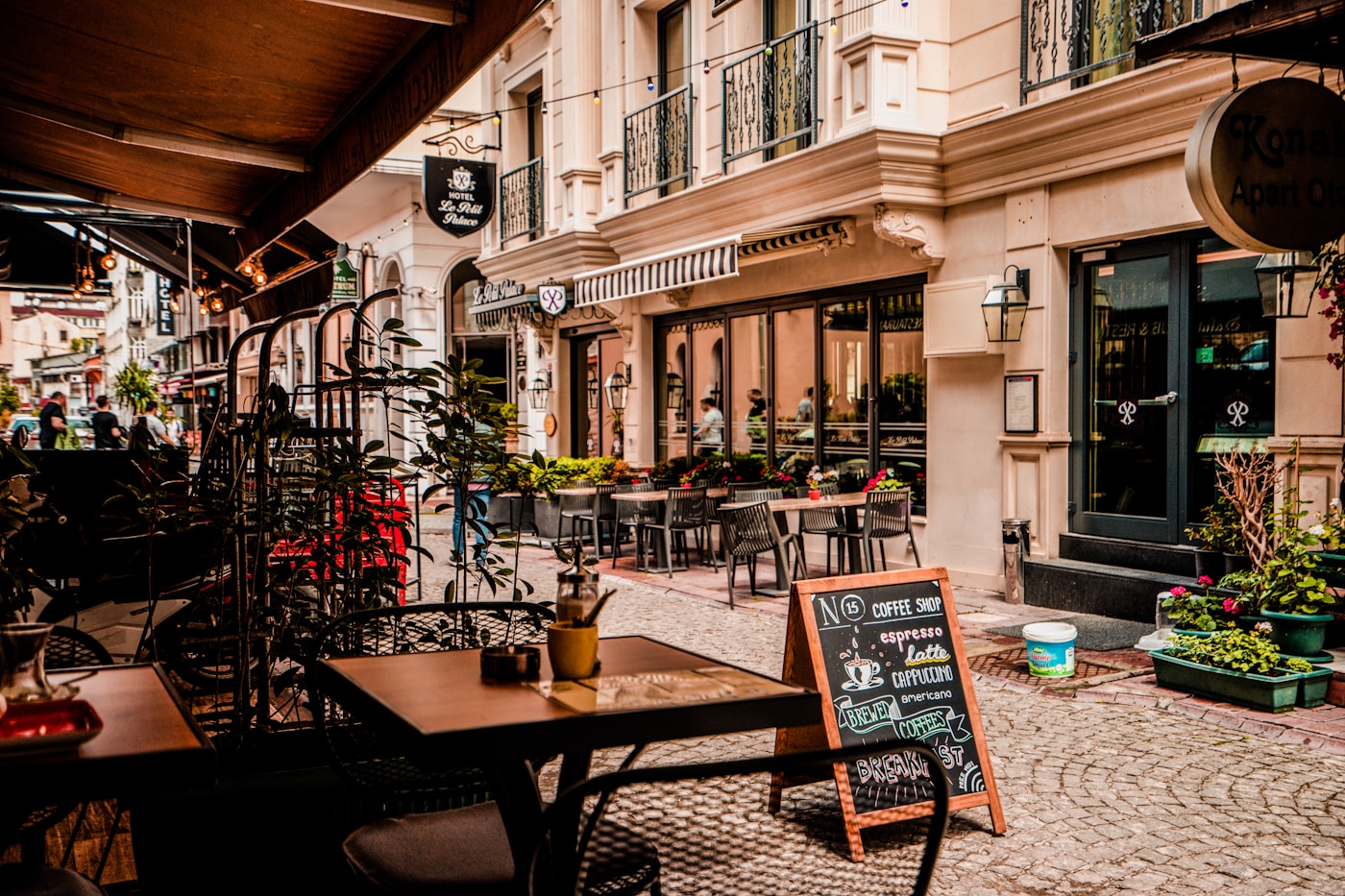
If you’ve been searching for the Best Cafes in Seoul — A Neighborhood-by-Neighborhood Guide, I want you to know right away that this city will absolutely ruin you for coffee everywhere else on earth. I say that with twelve years of genuine, unapologetic bias. Seoul has somewhere north of 17,000 registered cafes — more per capita than any other city in the world — and what makes the scene extraordinary isn’t just the volume, it’s the obsessive creativity. Baristas here train for years. Architects design entire buildings around a single espresso concept. Owners pour ₩200,000,000 (roughly $150,000 USD) into fit-outs before they serve a single Americano. This is not a coffee culture — it’s a parallel universe.
What I love most about Seoul cafe culture is that every neighborhood has its own distinct personality, and the cafes reflect that down to the last detail. Seongsu-dong smells like roasted beans and vintage leather. Ikseon-dong feels like you’ve slipped sideways into 1930s Joseon. Yeonnam-dong hums with the quiet confidence of creative people who don’t need to show off. I’ve spent years working out of these places, nursing flat whites through laptop-fueled afternoons, and I want to share everything I’ve learned — neighborhood by neighborhood, exit by exit, cup by cup.
Seongsu-dong & Yeonnam-dong — Seoul’s Coolest Cafe Neighborhoods
Seongsu-dong is the neighborhood I bring every first-time visitor to, no exceptions. It used to be a shoe manufacturing district on the east side of the Han River — you can still smell the leather workshops tucked between the coffee roasters — and that industrial soul is exactly what gives the cafes here their edge. Take Line 2 to Seongsu Station, Exit 3, and walk five minutes toward Yeonmujang-gil Street. That stretch is where the magic concentrates. Daelim Changgo occupies a converted warehouse where the ceiling soars six meters above your head and natural light floods through skylights onto raw concrete floors. Their cold brew (₩7,000 / ~$5.25) is left-steeped for 18 hours and served in a beaker like a science experiment you actually want to drink. The insider move here: come on a Tuesday or Wednesday morning when the weekend crowds vanish and you can actually hear the pour-over drip. Seongsu also has a micro-trend I haven’t seen written about much in English — several cafes double as quality control spaces for the shoe ateliers next door, which means you’ll sometimes share a communal table with craftsmen sketching sneaker prototypes over their Americanos. It’s an utterly Seoul experience.
Yeonnam-dong, accessible from Line 2 Hongik University Station Exit 3, is calmer and more neighborhood-y — this is where Seoul’s designers, illustrators, and indie musicians actually live, not just visit. The cafes here tend to be smaller, quirkier, and fiercely independent. Cafe Onion Yeonnam is a standout: it’s built inside a renovated 1970s residential hanok-style home, with a central courtyard garden that turns golden in autumn. Their mugwort latte (쑥 라떼, ₩6,500 / ~$5) is something you will absolutely not find at a chain, and the slightly earthy bitterness pairs with their homemade grain cookie in a way that makes you rethink what dessert can be. One local tip that matters: Yeonnam has a strict quiet-hours culture. Most independent cafes here have small handwritten signs requesting no phone calls inside. Respect it, and the regulars will quietly appreciate you for it.
In Seongsu-dong, the best cafes are often hidden in the alleys behind the main Yeonmujang-gil strip — look for hand-painted wooden signs and small A-frame chalkboards set at ankle height. If a cafe has no English signage whatsoever and a queue of Koreans in their 20s, walk straight in. That combination is the most reliable quality signal in the entire city. Also: Google Maps lags badly in Seongsu — download Naver Maps and search in Korean for the most accurate results.
Ikseon-dong, Insadong & Bukchon — History Meets Specialty Coffee
If Seongsu is Seoul’s hipster present, then Ikseon-dong is its beautifully preserved past. This hanok village — a maze of century-old tile-roofed alleys just north of Jongno-3(sam)-ga Station (Line 1, 3, or 5, Exit 4) — became one of Seoul’s most photographed cafe destinations after a wave of creative entrepreneurs began restoring abandoned homes into
Best Day Trips from Seoul — Hidden Gems Within 2 Hours
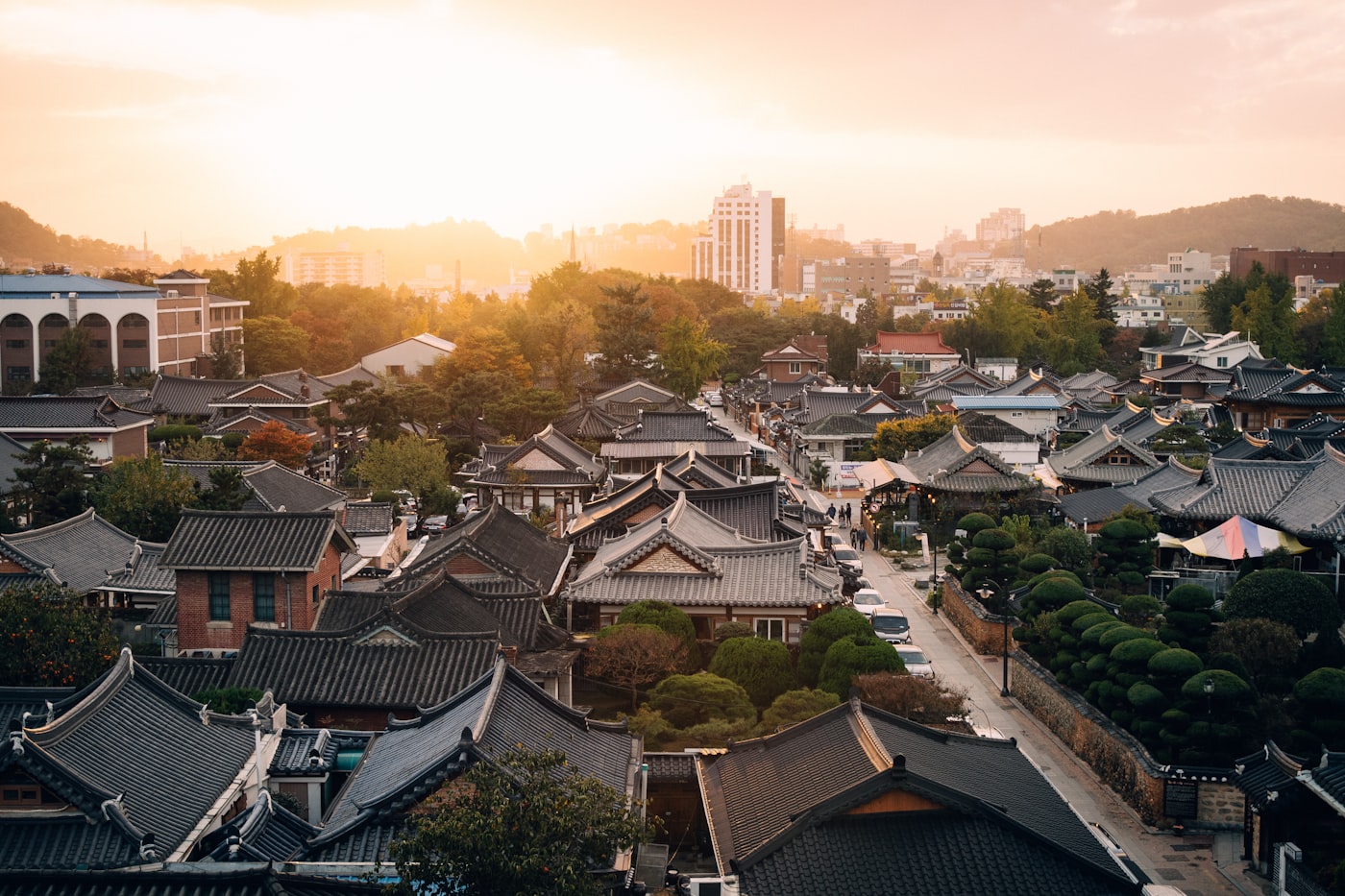
If you’ve been hunting for the best day trips from Seoul — hidden gems within 2 hours — then stop scrolling, because I’ve spent over a decade riding these trains, hiking these trails, and stumbling into the small-town Korea that most tourists never see. Seoul is extraordinary, yes, but the real magic of this country lives just beyond the city limits — in ancient fortresses rising from misty ridges, in coastal towns where haenyeo grandmothers still dive for abalone, and in pottery villages that have been quietly perfecting their craft since the Joseon Dynasty. The best part? You don’t need a rental car, a tour group, or even much planning. Korea’s rail network is so reliable and affordable that you can wake up in Myeongdong, decide on a whim, and be breathing mountain air or sea breeze well before noon.
I’ll be honest — some of these places won’t show up on the top ten lists that flood travel blogs, and that’s exactly the point. These are the destinations where locals actually go on their days off, where the food hasn’t been adjusted for tourist palates, and where you might be the only foreigner in the entire town. Whether you’re chasing autumn foliage in Gapyeong, wandering the lantern-lit alleys of Jeonju’s hanok village, or standing on a windswept cliff above the Yellow Sea in Taean, each of these hidden gems rewards the curious traveler with something Seoul — for all its brilliance — simply cannot give you: breathing room, genuine quiet, and a Korea that feels entirely, beautifully itself.
North & East of Seoul — Mountains, Valleys, and a Forgotten Fortress
Let’s start close. Gapyeong (가평) sits about 70 kilometers northeast of Seoul, and the ITX-Cheongchun train from Yongsan Station gets you there in roughly 80 minutes for around ₩7,400 (~$5.50 USD) — one of the best value rides in the country. Most visitors come for Nami Island, and while I get it, I’d strongly encourage you to keep walking past the tourist ferry docks to Jaraseom, the smaller island right next to it. The jazz festival vibes linger even off-season, there are almost no crowds, and the riverside cycling paths are genuinely stunning. Rent a bike right at the station exit for ₩10,000 (~$7.50 USD) per hour and follow the Bukhan River downstream — the locals who come here on weekends know this route by heart, and you’ll pass persimmon orchards and tiny riverside pojangmacha (food stalls) that aren’t marked on any app.
Further east, Chuncheon delivers something most travelers don’t expect: a proper city with serious character that hasn’t been polished for tourism. It’s the spiritual home of dakgalbi (spicy stir-fried chicken), and the Myeongdong Dakgalbi Street in Chuncheon is the original — not Seoul’s Myeongdong, not a franchise. Order the mozzarella version at any restaurant on that strip for around ₩13,000 (~$9.75 USD) per person and eat it directly from the iron skillet at your table. The insider move? Ask for extra rice (공기밥, gonggi-bap) at the end to scrape the crispy, sauce-caramelized bottom of the pan. That last bowl costs ₩1,000 (~$0.75 USD) and it’s the best bite of the entire meal.
For a hidden gem that genuinely stops people in their tracks, take the subway to Dobongsan (Line 1, Exit 1) and hike up to Obongsan Ridge. You’re still technically in Seoul’s metro area, but once you’re above the treeline looking down at the Han River basin on one side and Uijeongbu’s plains on the other, it feels like another country entirely. The trail takes about two and a half hours round trip, the views are world-class, and on weekday mornings you’ll share the summit only with elderly Korean hikers in color-coordinated Patagonia gear who will absolutely insist on sharing their makgeolli and dried squid with you.
The ITX-Cheongchun to Gapyeong sells out on autumn weekends by Wednesday. Book through the Korail app (or korail.com) at least 3–4 days ahead and always reserve a seat — standing tickets on this line are genuinely uncomfortable for 80 minutes. Also, the 08:20 departure from Yongsan lets you beat the Nami Island ferry queue by a full hour.
South & West — Coastal Escapes and Living History
Head south from Seoul and within 90 minutes you’re in a completely different Korea. Suwon’s Hwaseong Fortress is technically well
Jeju Island Complete Travel Guide — Everything You Need to Know
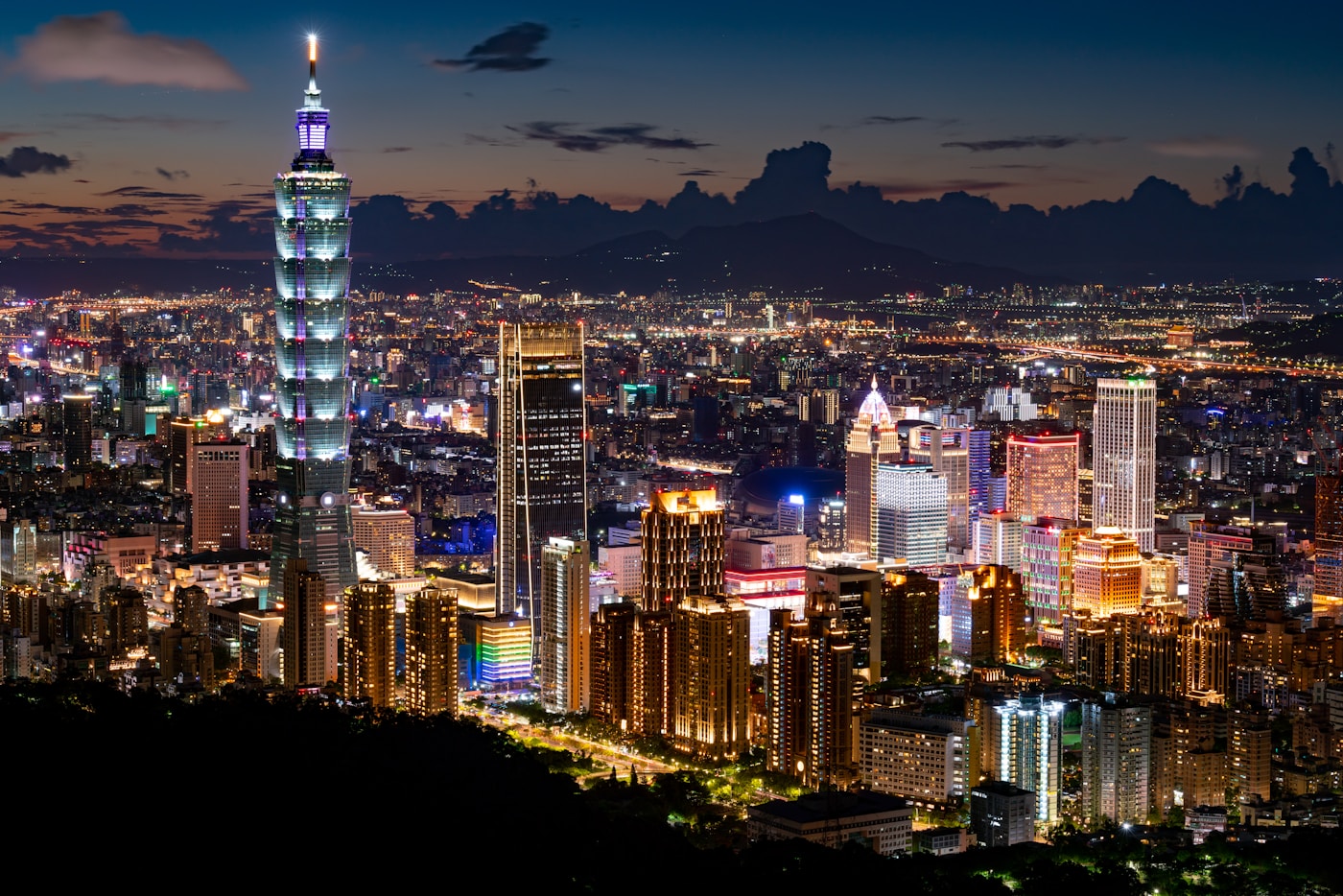
This Jeju Island Complete Travel Guide — Everything You Need to Know is the one resource I wish I had the first time I stepped off the plane at Jeju International Airport, overwhelmed by the smell of salt air and the sight of black lava rock lining every road leading out of the terminal. Jeju is not just another Korean destination — it is its own world, a volcanic island sitting in the Korea Strait that feels genuinely different from anything else on the peninsula, with a dialect so distinct that even mainland Koreans sometimes need subtitles to understand elderly locals on TV.
I have visited Jeju more times than I can honestly count over twelve years, and every single trip has handed me something new — a hidden beach only fishermen use at dawn, a grandmother haenyeo (해녀, female free-diver) pulling abalone from the sea floor at Udo Island, a bowl of hallabong tangerine sorbet so intensely citrusy it made me stop walking and just stand on the sidewalk for a moment. Jeju rewards people who move slowly and ask questions. This guide is here to make sure you are one of those people.
Getting to Jeju Island and Getting Around Once You Arrive
Flying to Jeju is genuinely easy and shockingly affordable if you book even two weeks out. From Seoul’s Gimpo Airport (GMP), budget carriers like Jeju Air and T’way run the one-hour route for as little as ₩25,000–₩50,000 (~$18–$37) one way when you catch a sale. Gimhae Airport in Busan connects to Jeju in under an hour too. International visitors flying directly into Jeju International Airport (CJU) will find the airport small, manageable, and refreshingly stress-free compared to Incheon. The arrival hall has a T-money card kiosk right past customs — grab one immediately, load ₩30,000 (~$22), and you are set for buses across the island.
Here is the thing about Jeju that surprises almost every first-timer: there is no subway system. The island runs entirely on buses and cars. The intercity bus network is actually excellent and covers most major attractions — a single ride costs ₩1,200 (~$0.90) with a T-money card — but the real Jeju reveals itself only when you have wheels. Renting a car is the move. Most rental agencies cluster around the airport arrivals exit, and a compact car for a day runs ₩50,000–₩80,000 (~$37–$59) including basic insurance. If you have an international driving permit, pick up your car before 9 AM so you beat the rental queue that forms around checkout time at major hotels. One insider note: the road that circles the entire island, Route 1132, is called the Buntomodo. Drive it counterclockwise to keep the ocean on your left and catch light-facing views all morning.
The Top Jeju Experiences You Actually Cannot Miss
Hallasan National Park is the spiritual center of Jeju, and hiking to the crater at the top is one of the most rewarding full-day experiences in all of Korea. The Seongpanak Trail (성판악 탐방로) is the most popular route to the summit at 1,849m — it takes roughly 4.5 to 5 hours up and 3.5 hours down, and the entrance gate closes at 12:00 PM sharp to ensure everyone descends safely before dark. The trail head is on Route 516 and accessible by the 281 bus from Jeju City Bus Terminal. Wear layers regardless of season because the summit runs at least 10°C cooler than sea level and the wind at the crater rim will absolutely find every gap in your jacket.
Along the coast, Seongsan Ilchulbong (성산일출봉) — the iconic tuff cone that erupts from the sea on the island’s eastern tip — is worth every bit of its UNESCO status and its ₩5,000 (~$3.70) entrance fee. Arrive before 7 AM in summer to watch the sunrise paint the crater in shades of amber and gold while the haenyeo divers below begin their morning work. Speaking of haenyeo, the women of Udo Island (우도) and Gwideok Village on the northwest coast still practice this thousand-year-old tradition daily. You can buy their catch — sea urchin, abalone, conch — directly from the women’s cooperatives at Jungmun or Haenyeo Village in Gujwa-eup for a fraction of what restaurants charge, and eating raw sea urchin (성게알) scooped straight into a rice bowl with seaweed is one of those flavors you chase for years afterward. Manjang Cave (만장굴) on the northeast side is the world’s longest accessible lava tube at 7.4km total, and the ₩4,000 (~$3) entrance grants you access to a 1km lit section that stays at a constant 11°C year-round — bring a light jacket even in August.