
Mastering Korean intonation and rhythm is the single most powerful step you can take to sound like a native — and the great news is that Korean rhythm is actually more predictable and beginner-friendly than you might think. Unlike Chinese, Korean is not a tonal language, meaning the pitch of one syllable does not change a word’s dictionary meaning the way it does in Mandarin. That alone removes a huge barrier for English speakers stepping into Korean for the very first time.
Here is something that surprises almost every new learner: Korean sentences have a natural, almost musical rise and fall that feels very different from English. In English, we stress certain words and let others slide by quickly. In Korean, every single syllable gets roughly equal weight and length — think of it like a steady drumbeat rather than a bumpy road. Once you feel that rhythm in your body, your Korean will immediately start to sound more natural and fluid.
In this lesson, you will learn the core rules of Korean intonation and rhythm from absolute zero. No prior knowledge is needed — not even the Korean alphabet. By the end, you will understand exactly how Korean sentences rise, fall, and flow, and you will have real phrases to practice with today. Let’s begin.
What Is Korean Intonation — And Why It Matters
Intonation simply means the melody of your voice — when it goes up, when it goes down, and how smooth the journey in between feels. In English, intonation changes meaning dramatically: “You’re leaving?” (going up = a question) versus “You’re leaving.” (going down = a statement). Korean uses the same basic idea, but the rules are simpler and more consistent. Korean intonation follows predictable patterns that you can learn, practice, and own. The most important pattern for a beginner to know right now: statements end with a falling tone, and questions end with a rising tone — just like English. That familiarity is your first big win.
The Golden Rule of Korean Rhythm — Equal Syllable Weight
This is the rule that will transform your Korean pronunciation immediately. In English, we naturally stress some syllables and swallow others. Say the word “comfortable” — most English speakers say it as “COMF-ter-ble,” squashing three syllables into one. Korean does the opposite. Every syllable is given clear, equal weight and roughly equal length. Take the word 안녕하세요 (annyeonghaseyo) [ahn-NYUNG-ha-seh-yo] — “Hello / How are you?” — a beginner’s first instinct is to stress “NYUNG” and rush through the rest. But a native speaker gives almost equal time to every syllable: ahn · nyung · ha · seh · yo. Think of it like tapping five piano keys evenly. That steady, even rhythm is the heartbeat of the Korean language.
💡 Teacher’s Tip
Try this right now: clap your hands once for every syllable as you say a Korean word out loud. Each clap should feel like an equal beat of a metronome. For 감사합니다 (gamsahamnida) [gahm-SAH-hahm-nee-dah] — “Thank you” — that is five equal claps: gahm · sah · hahm · nee · dah. This clapping trick is one of the fastest ways to reset your English-speaking brain into Korean rhythm mode. Use it every single time you learn a new word this week.
Rising vs. Falling Intonation — Statements and Questions
Let’s look at the two most essential intonation patterns you will use every day. When you make a statement in Korean, your voice falls gently at the end of the sentence — just like dropping a ball softly onto the floor. When you ask a yes/no question, your voice rises at the end — like the inflection of “really?” in English. Study the examples below carefully and notice how the same words can carry completely different meaning depending on whether your voice goes up or down.
| Korean (한글) | Romanization | English Sound [phonetic] | English Meaning |
|---|---|---|---|
| 괜찮아요. ↘ | gwaenchanayo | [gwen-CHA-na-yo] ↘ falling | “I’m fine.” (statement) |
| 괜찮아요? ↗ | gwaenchanayo? | [gwen-CHA-na-yo] ↗ rising | “Are you okay?” (question) |
| 맞아요. ↘ | majayo | [MAH-ja-yo] ↘ falling | “That’s right.” (statement) |
| 맞아요? ↗ | majayo? | [MAH-ja-yo] ↗ rising | “Is that right?” (question) |
| 배고파요. ↘ | baegopayo | [beh-GO-pa-yo] ↘ falling | “I’m hungry.” (statement) |
| 배고파요? ↗ | baegopayo? | [beh-GO-pa-yo] ↗ rising | “Are you hungry?” (question) |
Notice something beautiful: the words are identical. The only thing that changes the meaning is your intonation — the direction your voice travels at the end. This is one of those moments where Korean is genuinely simpler than English, and you should feel encouraged by it.
How Korean Sentence Structure Shapes Its Rhythm
Here is something that directly affects Korean rhythm and intonation: Korean sentences are built in a completely different order than English. In English, we follow Subject → Verb → Object order (SVO). In Korean, the order is Subject → Object → Verb (SOV) — meaning the verb always comes at the very end of the sentence. This is not a small detail. Because the verb is last, native speakers naturally build anticipation throughout the sentence, and the intonation arc reflects that — rising and building until the verb lands and the voice drops. Understanding this structure will help you feel why Korean sounds the way it does.
🔀 English vs Korean — How Sentences Work Differently
| English (SVO) | Korean (SOV) | Literal Order |
|---|

| Korean (한글) | Romanization | English Sound [phonetic] | English Meaning |
|---|---|---|---|
| 먹어요 | meogeoyo | [MUH-guh-yo] | “(I/you) eat” |
| 읽어요 | ilgeoyo | [IL-guh-yo] | “(I/you) read” |
| 앉아요 | anjayo | [AN-ja-yo] | “(I/you) sit” |
| 없어요 | eopseoyo | [UHP-suh-yo] | “There is none / I don’t have” |
| 닭이 | dalgi | [DAL-gi] | “chicken (subject)” |
| 밥을 | babeul | [BAH-beul] | “rice (object)” |
💡 Teacher’s Tip
Think of the silent ㅇ as an open door. Whenever a final consonant sees an open door next to it, it walks right through. Cover the word 먹어요 and say “muk — uh — yo” slowly, then say it fast and listen to the ㄱ naturally slide into the second syllable. Your mouth is already doing liaison without being told — Korean is just giving it a rule to follow. Practise this with any verb ending in 아요/어요 (a-yo/eo-yo) and you will hear the slide every single time.
Rule 2 — Double Consonants (겹받침): Which One Slides?
Some Korean syllables have two final consonants stacked together — these are called 겹받침 (gyeopbatchim) [GYUHP-baht-chim] — “double final consonants.” Examples include ㄺ, ㄻ, ㄼ, ㄾ, and others. When a double consonant meets a following vowel, the rule is generous: the right-side consonant slides forward to the next syllable, while the left-side consonant stays and is pronounced where it is. So 읽어요 (ilgeoyo) [IL-guh-yo] — “reads” — the double consonant ㄺ splits: ㄹ stays in 읽, and ㄱ slides into 어, giving you “il-guh-yo,” not “ik-uh-yo.” It sounds complex written down, but your mouth will find the natural split almost automatically with a little practice.
Rule 3 — Nasalisation: When Consonants Change Colour
Korean liaison is not only about sliding — sometimes the final consonant actually changes its sound when it meets certain consonants. This is called 비음화 (bieuumhwa) [BEE-eum-hwa] — “nasalisation.” The most important version: when ㄱ, ㄷ, or ㅂ appear as final consonants before a syllable starting with ㄴ or ㅁ, they transform into nasal sounds. Specifically: ㄱ → ㅇ [ng], ㄷ → ㄴ [n], ㅂ → ㅁ [m]. A classic example is 국물 (gungmul) [GOONG-mul] — “broth / soup stock.” Written, it is 국 + 물 (guk + mul), but spoken it becomes “goong-mul” because the ㄱ transforms into ㅇ
Korea in Spring — Ultimate Cherry Blossom Guide
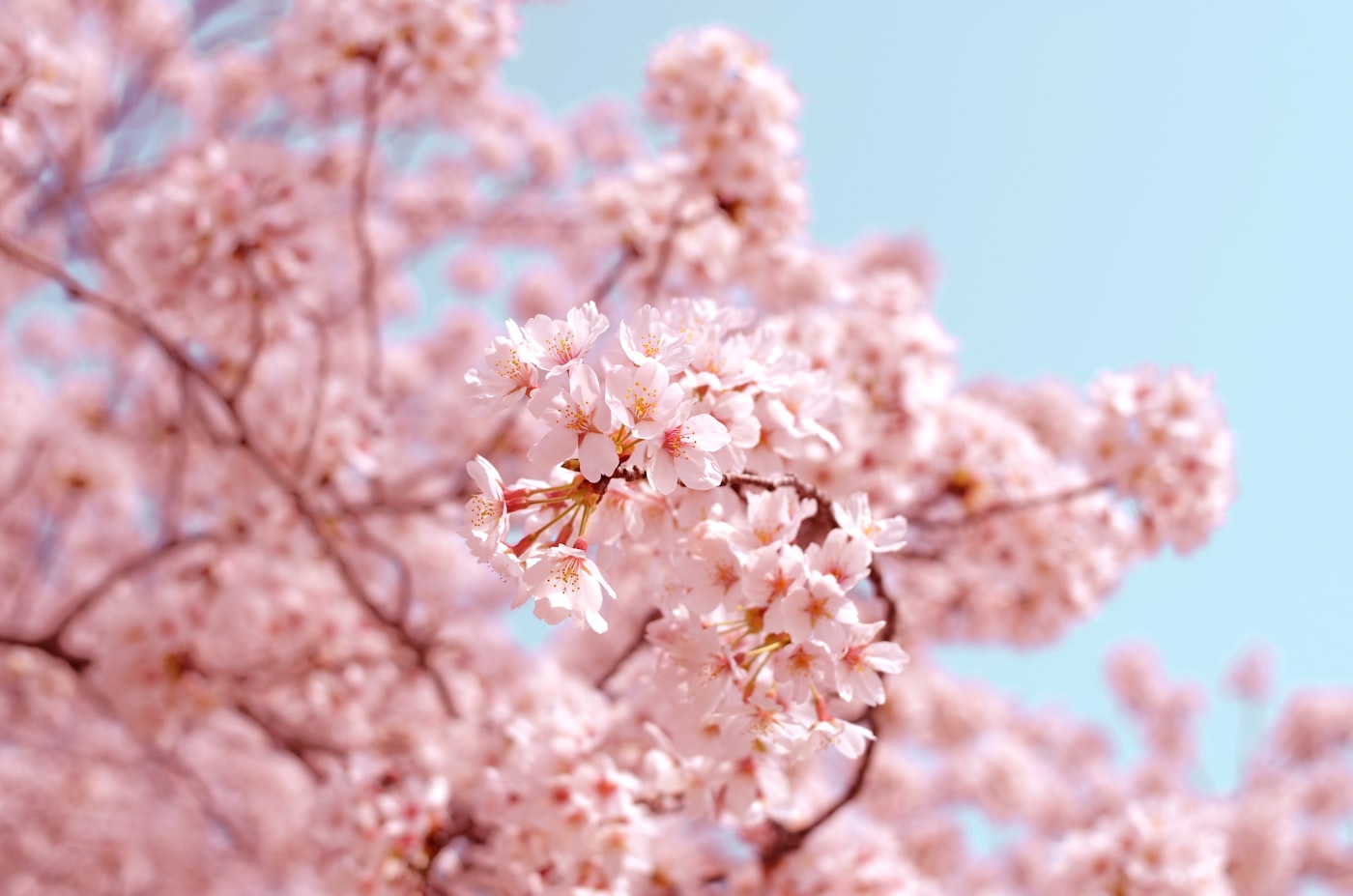
If you’ve ever needed a reason to visit Korea, this is your Korea in Spring — Ultimate Cherry Blossom Guide, and I promise you, two weeks under a canopy of pink petals will ruin every other spring for the rest of your life. I still remember the first time I walked the Yeouido Hangang riverside in late March — the whole sky had turned a soft, hazy pink, petals were swirling down onto the water like slow-motion confetti, and strangers were sharing makgeolli and laughing on picnic blankets as if the whole city had agreed to pause and just breathe. That feeling is exactly what I want to help you find, and with the right timing and the right spots, you absolutely will.
Korean cherry blossom season is one of those rare travel experiences that actually lives up to the hype — but only if you go in with a plan. The blooms last an average of just seven to ten days at peak, and the crowds at famous spots like Gyeongbokgung Palace and Jinhae can be genuinely overwhelming if you show up unprepared. I’ve spent over a dozen spring seasons navigating Korea’s best blossom spots, from the grand festivals in the south to the quiet neighborhood streets in Seoul that nobody writes about, and I’m going to share every last detail I know — the subway exits, the real prices, the hidden paths, and the tricks that separate a frustrating crowded mess from an utterly magical spring memory.
When and Where the Cherry Blossoms Actually Peak in Korea
Korea’s cherry blossom season doesn’t move in a straight line — it ripples northward from Jeju Island in the south all the way up to Seoul and beyond over the course of about three to four weeks. Jeju typically blooms first, usually between March 20–25, which means if you time a Jeju trip in the third week of March, you get a full blossom experience before the mainland crowds even know what hit them. Seoul follows around late March to early April, with peak bloom landing most years between March 28 and April 5 — though climate shifts have been pushing that window slightly earlier each year, so I always check the Korea Meteorological Administration’s official cherry blossom forecast (available in Korean and English) in late February before finalizing any bookings.
The single most spectacular cherry blossom destination in all of Korea is Jinhae, a coastal city in South Gyeongsang Province that transforms into what I can only describe as a pink fever dream every spring. The Jinhae Gunhangje Festival — held annually for ten days in late March to early April — draws over a million visitors to see 360,000 cherry trees lining every road, canal, and hillside in town. The iconic Gyeonghwa Station, a tiny old railway station ringed by blossoms, is the photo you’ve seen a thousand times, and yes, it is every bit as beautiful in person. To get there from Seoul, take the KTX to Changwon Central (about 2.5 hours, ₩48,000–₩58,000 / ~$36–$44) then a local bus to Jinhae. Go on a weekday and arrive before 8am — the shot of the station with nobody blocking it is 100% worth the early alarm.
The Best Cherry Blossom Spots in Seoul — Beyond the Obvious
Everyone tells you to go to Yeouido — and they’re not wrong, the Yeouido Spring Flower Festival along the Hangang riverside is genuinely stunning, with a 1.7km stretch of cherry trees turning the whole embankment pink. Take Line 5 to Yeouinaru Station, Exit 2, arrive before 9am to walk the path before the afternoon crowds pack it shoulder-to-shoulder. But here’s what I tell every friend visiting Seoul in spring: walk ten minutes further west along the river past the main festival zone, and you’ll find a quieter continuation of the cherry tree path where locals jog and eat convenience store kimbap under the blossoms with zero tourist crowds. That stretch, right before the 63 Building comes into view, is my personal favourite spot in all of Seoul during spring.
For a completely different blossom mood, head to Changgyeonggung Palace in Jongno-gu — it’s far less visited than Gyeongbokgung, costs only ₩1,000 (~$0.75) to enter, and hosts magical night blossom events (야간개장) where the trees are lit with soft lighting against the ancient palace walls from 7pm–9pm. Tickets for the night events go on NAVER at 2pm exactly two weeks before each session and sell out in about four minutes — set an alarm, have your payment info ready, and don’t blink. Line 4 to Hyehwa Station, Exit 4. For a neighbourhood blossom walk that feels like you’ve stepped into a Korean drama, the streets around Seokchon Lake in Songpa-gu (Line 8 to Jamsillaru Station, Exit 1) are absolutely covered in cherry trees that reflect onto the lake — and the nearby Lotte World Tower makes for an almost surreal backdrop at golden hour
Best Jokbal Restaurants in Seoul — Verified by Naver Reviews
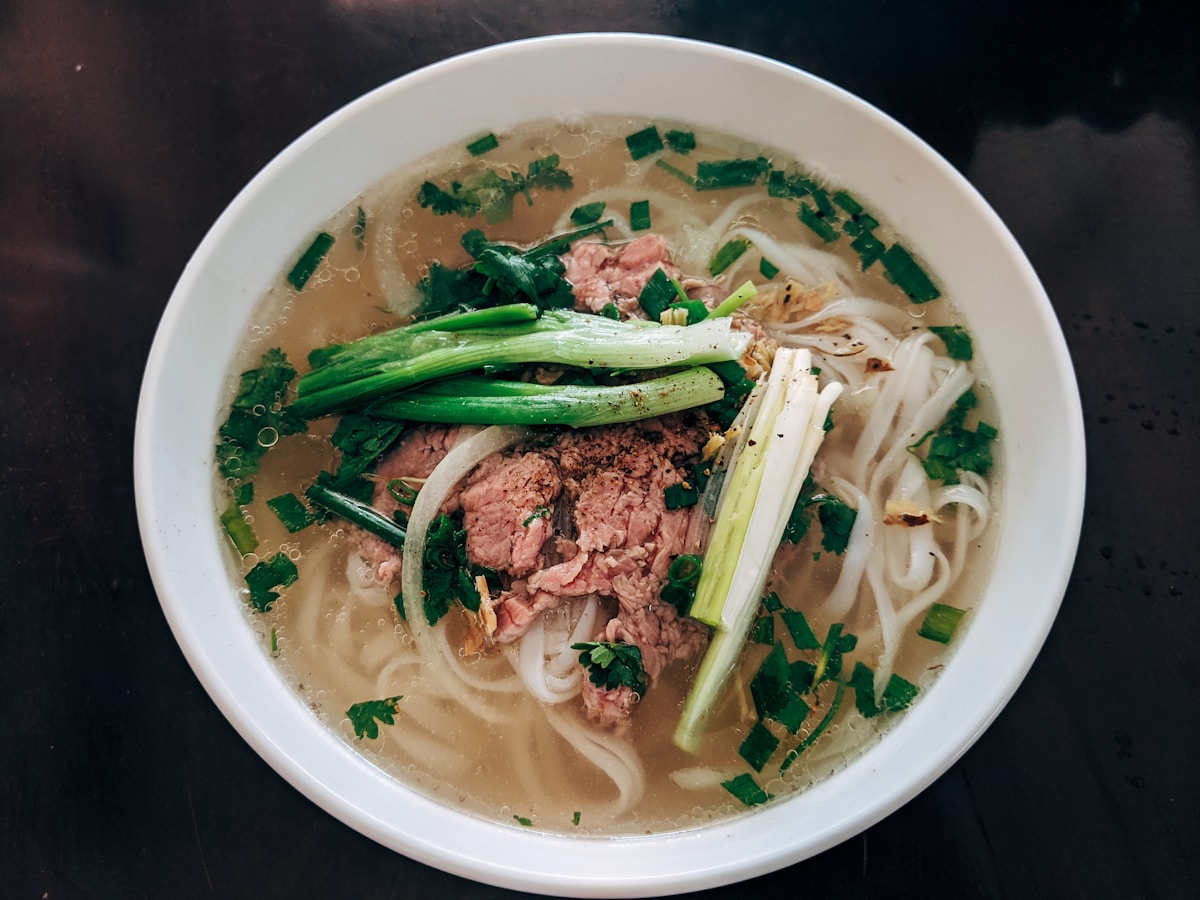
Seoul’s Best Jokbal Restaurants — Braised Pig Trotters Worth the Trip
The first time a bowl of 족발 (jokbal) landed on the table in front of me — gleaming, mahogany-dark, trembling with collagen — I genuinely didn’t know what I was looking at. Then the smell hit me: soy, ginger, star anise, and something deep and porky that felt like it had been simmering since before I was born. I picked up a slice, wrapped it in a crisp perilla leaf with a smear of fermented shrimp paste, and that was it. I was completely, helplessly converted. Jokbal is one of those dishes that sounds strange on paper — braised pig trotters — but tastes like someone distilled the entire warmth of Korean cuisine into a single bite.
Seoul takes jokbal seriously. Seriously enough that entire neighbourhoods have built reputations around it, and seriously enough that Koreans will travel across the city on a rainy Tuesday night just to get the right plate from the right place. The four jokbal restaurants on this list were ranked by real Naver Map review counts — meaning thousands of actual diners voted with their feet and their phones. These are not tourist traps. These are the places locals go when they want the real thing, cold beer in hand, soju on the way. Let’s eat.
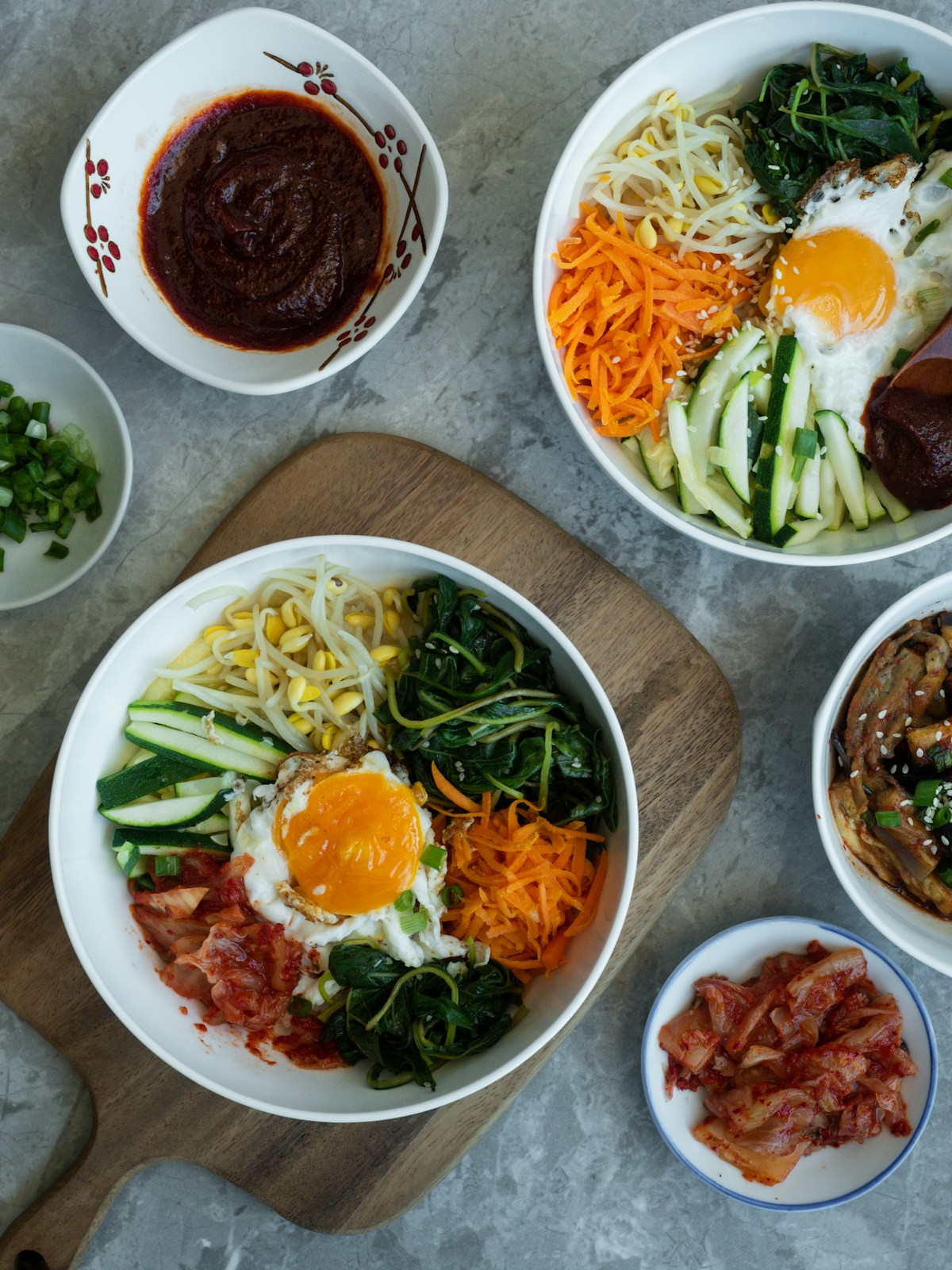
만족오향족발 시청점 — Manjok Ohyang Jokbal (City Hall Branch)
Walking into Manjok Ohyang near City Hall feels like stepping into a jokbal institution — the kind of place where the ajummas behind the counter move with the practiced efficiency of people who have sliced ten thousand pigs’ worth of trotters and are quietly proud of every single one. The “ohyang” (오향, five-spice) sets this place apart: where most jokbal leans heavily on soy and garlic, here you catch warm whispers of star anise and cinnamon in every bite, giving the meat a complexity that lingers long after you’ve left. Order the medium-size platter, pile the glistening slices onto a fresh lettuce leaf, dab on some saeujeot (fermented shrimp paste), and try not to close your eyes in public.
| Address | 서울특별시 중구 서소문로 134-7 📍 View on Naver Map → |
| Phone | N/A — walk-in recommended |
| Must Order | 오향족발 (중) (Ohyang Jokbal, Medium) — Five-spice braised trotters, sliced and served with lettuce, perilla leaf, and fermented shrimp paste |
| Price | Approx. ₩25,000–₩35,000 per platter (serves 2) |
| Foreigner Tip | Located a short walk from City Hall station (Line 1/2) — look for the Korean sign with 족발 in red. Point at the photo menu on the wall and hold up fingers for the size you want. Staff are used to confused-but-hungry foreigners. |
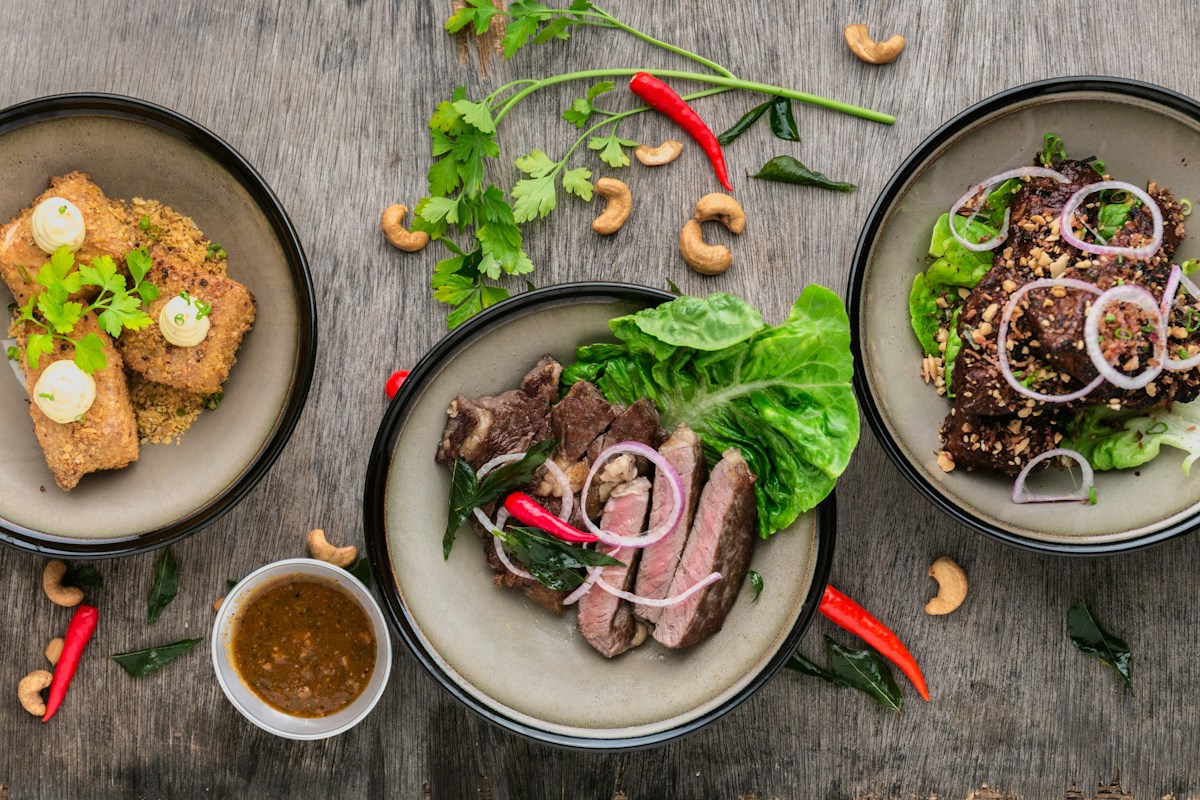
화곡영양족발 — Hwagok Yeongyang Jokbal
Hwagok is one of those residential neighbourhoods in western Seoul that most tourists never reach — which is exactly why the locals who live there are fiercely protective of their jokbal gem. The moment you push open the door of 화곡영양족발, the braising steam hits you like a warm embrace: soy, ginger, garlic, and that unmistakable low-and-slow porky richness that tells you nothing has been rushed here. The trotters arrive with skin that wobbles with collagen and meat that pulls apart with the gentlest nudge of chopsticks — this is “yeongyang” (영양, nutritious) jokbal at its most honest, with no gimmicks and no shortcuts. Pair it with a cold Hite beer and a side of bossam kimchi and you’ll understand why the neighbourhood regulars come here on a near-religious basis.
| Address | 서울특별시 강서구 초록마을로2길 48 1층 📍 View on Naver Map → |
| Phone | N/A — walk-in recommended |
| Must Order | 영양족발 (소/중) (Yeongyang Jokbal, Small/Medium) — Classic braised trotters with a deeply savoury, clean-flavoured braise; ask for 막국수 (buckwheat noodles) on the side |
| Price | Approx. ₩22,000–₩32,000 per platter |
| Foreigner Tip | Take subway Line 5 to Hwagok station and walk about 8 minutes. This is a local neighbourhood spot — bring a Korean-speaking friend if possible, or use Papago to translate the menu. Cash is welcomed but cards are generally accepted. |
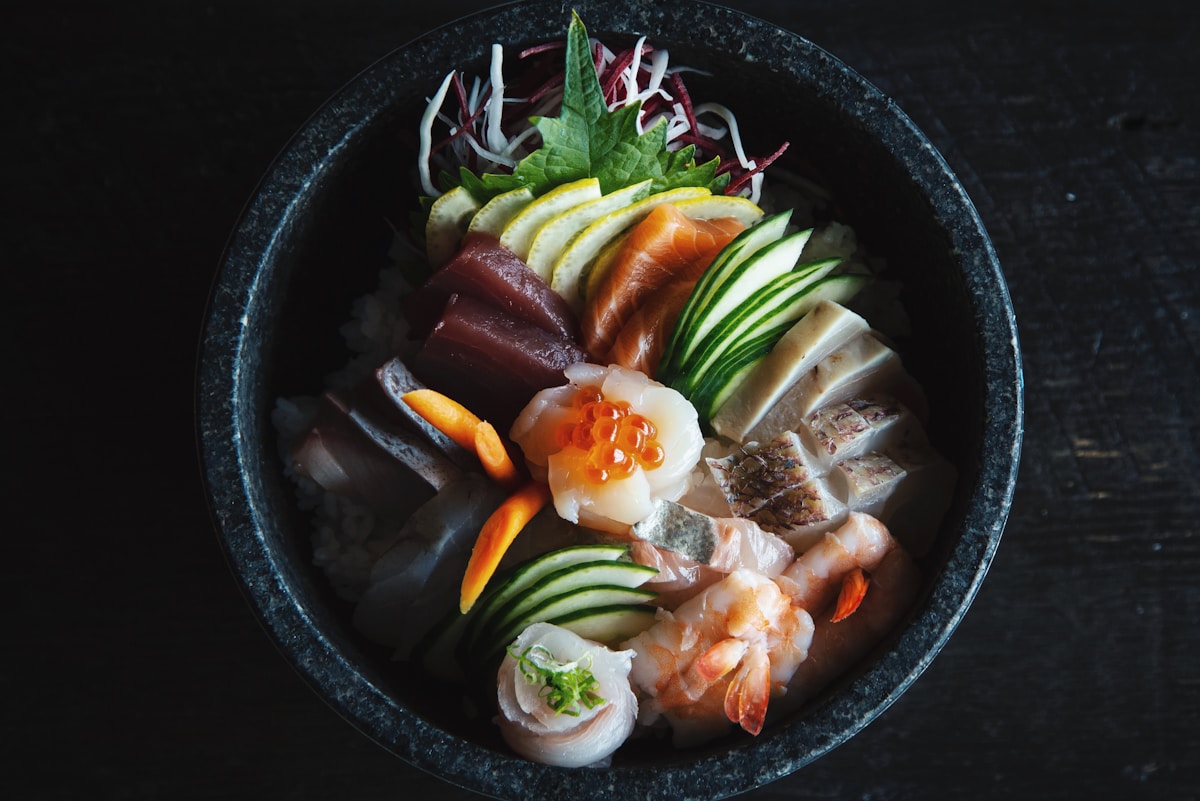
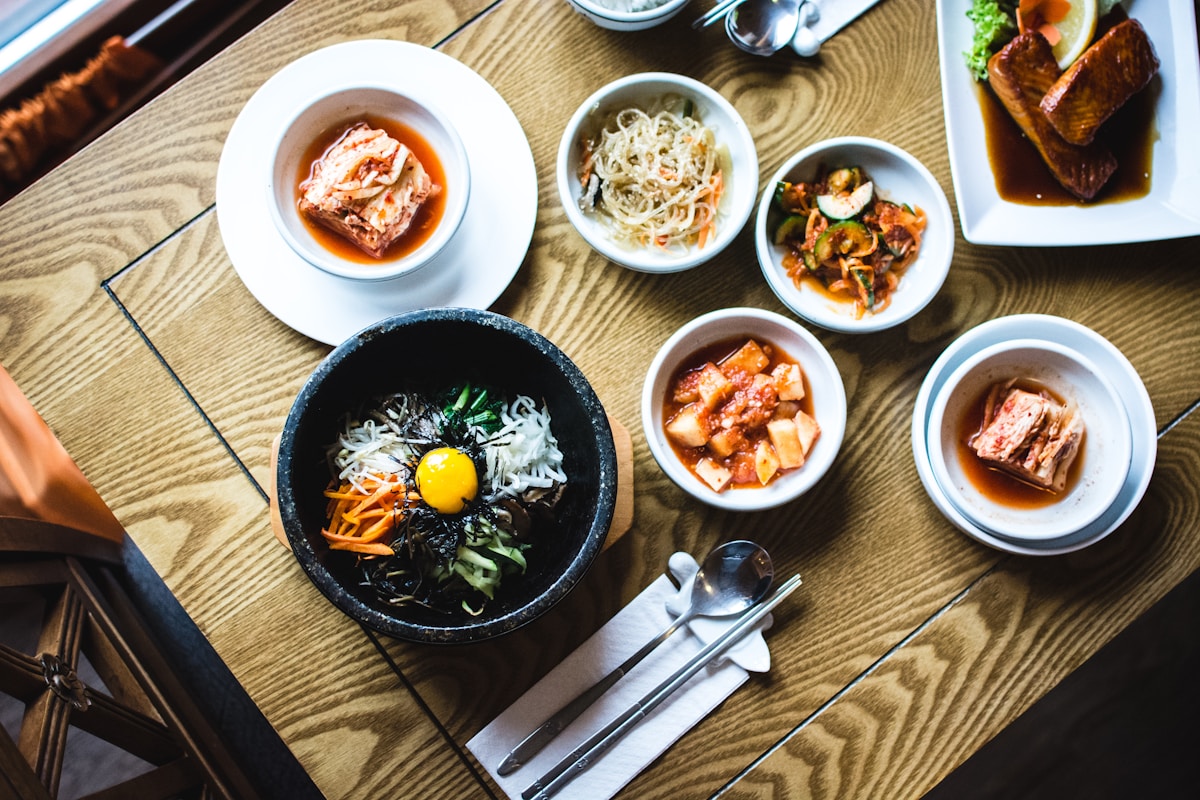
양재족발 참족 — Yangjae Jokbal Chamjok
참족 (Chamjok) — the name literally means “real” or “true” jokbal — sets its stall out with quiet confidence, and it earns every bit of it. Tucked into a ground-floor spot near Yangjae in Gangnam, this place draws a noticeably well-dressed after-work crowd: the kind of Gangnam professionals who know exactly what they want and don’t settle for mediocre. The trotters here are braised to a shade somewhere between deep amber and lacquer black, the skin impossibly tender but never slimy, the meat inside clean-tasting and fragrant. What struck me most was the balance — not too salty, not too sweet, with a ginger-forward warmth that feels almost refined for a dish that involves eating with your hands.
| Address | 서울특별시 강남구 도곡로2길 14 1층 📍 View on Naver Map → |
| Phone | N/A — walk-in recommended |
| Must Order | 참족발 (중) (Chamjokbal, Medium) — Signature “true jokbal” platter; also order 냉채족발 (naengchae jokbal) if available — cold jellied trotters with mustard sauce, perfect in summer |
| Price | Approx. ₩25,000–₩38,000 per platter |
| Foreigner Tip | Near Yangjae station (Line 3/Shinbundang Line) — a great stop if you’re already exploring Gangnam. The neighbourhood is affluent and English signage is more common; staff here tend to be comfortable with pointing and picture menus. |
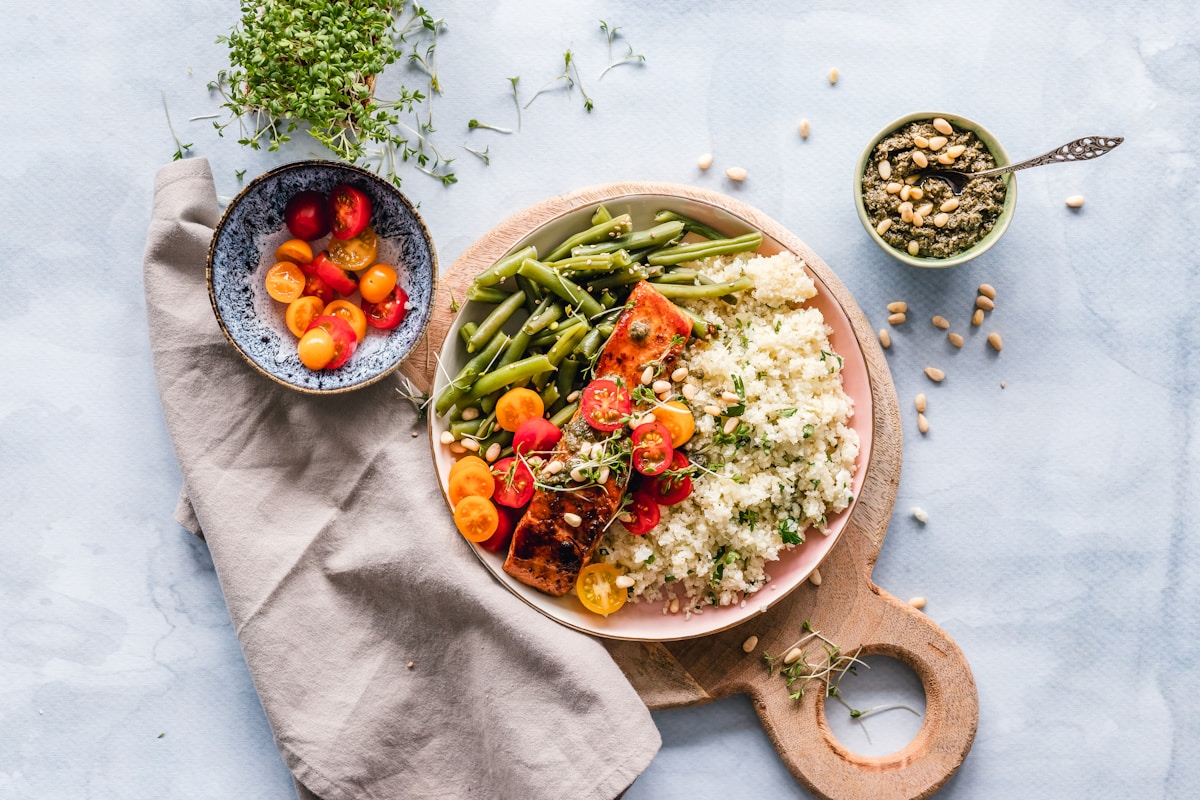
팔당족발 — Paldang Jokbal
팔당 (Paldang) is a riverside town east of Seoul, famous for its clean water and, among Koreans in the know, its particular style of jokbal — and this Hakdong restaurant brings that tradition into the heart of Gangnam. Up on the second floor, away from the street noise, the atmosphere feels almost like a private dining room: low lighting, the smell of soy and spice hanging warmly in the air, and portions that arrive looking almost too beautiful to dismantle. The Paldang style leans toward a slightly sweeter, more aromatic braise than the Seoul norm, with a deeply gelatinous skin that practically melts on contact with your tongue. This is a late-night Gangnam staple — the kind of place that fills up around 9pm with people who’ve just finished work and need something deeply satisfying before the soju really gets going.
| Address | 서울특별시 강남구 학동로45길 7 201호 📍 View on Naver Map → |
| Phone | N/A — walk-in recommended |
| Must Order | 팔당족발 (중) (Paldang Jokbal, Medium) — Sweeter, river-town-style braised trotters; pair with 보쌈김치 (bossam kimchi) and a round of 소주 (soju) |
| Price | Approx. ₩25,000–₩35,000 per platter |
| Foreigner Tip | The restaurant is on the second floor (201호) — don’t miss the staircase entrance. Near Hakdong station (Line 7). This is a popular late-night spot; arriving after 8pm means you’ll experience it at its buzzing best. Cards accepted. |
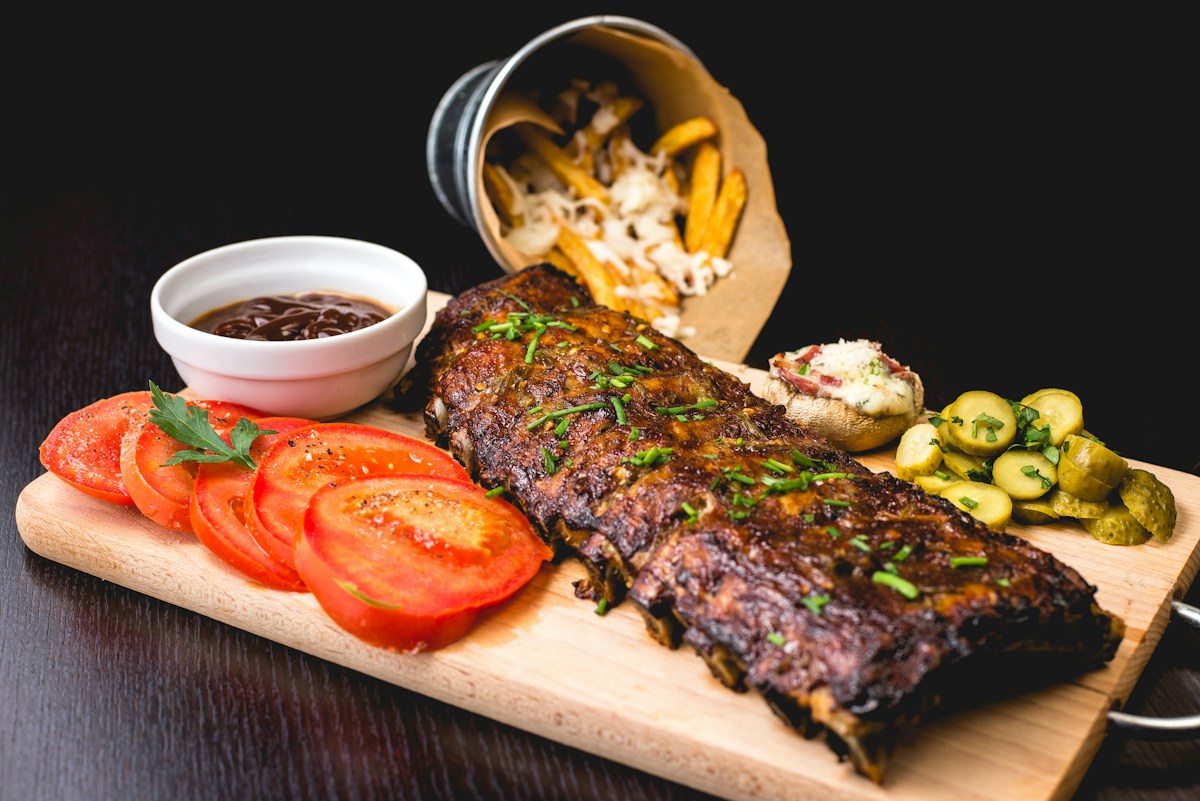
🗺️ Practical Guide — Eating Jokbal as a Foreigner in Seoul
- How to order: Point confidently at the photo menu and hold up fingers to indicate how many people are eating — staff will recommend the right size. The Korean phrase “이거 주세요” (i-geo ju-se-yo, “I’ll have this, please”) combined with a finger-point works universally.
- Cash vs card: Most jokbal restaurants in Seoul accept both, but smaller neighbourhood spots may prefer cash. Carry ₩50,000 in small bills just in case — it’s never wasted in Seoul.
- Best time to visit: Lunch (12–1:30pm) is quieter and sometimes cheaper with set menus. Dinner after 7pm is the authentic experience — noisier, livelier, and accompanied by soju. Avoid peak dinner rush (6–7:30pm) if you want to skip queues.
- One phrase locals love: After your first bite, say “진짜 맛있어요!” (jin-jja ma-shi-sseo-yo!) — “This is genuinely delicious!” You will receive beaming smiles and possibly extra banchan.
- Etiquette tip: Jokbal is always shared — don’t serve yourself first before older people at the table, and use the serving chopsticks (not your personal ones) to take food from communal plates. The leaf wraps (상추, sangchu) are not just garnish — they’re essential to how the dish is meant to be eaten.
🏆 Our Verdict
These four restaurants represent some of the most loved jokbal spots in Seoul — verified by thousands of real Naver reviews from Korean diners who take their braised trotters very seriously indeed. Whether you’re visiting the City Hall area and stumbling into Manjok Ohyang’s fragrant five-spice cloud, making the pilgrimage to Hwagok for honest neighbourhood cooking, or settling into a late-night Gangnam booth at Paldang Jokbal with soju in hand, you’re getting the real Seoul experience. Jokbal is not just food here — it’s a ritual, a social lubricant, and one of the most overlooked great dishes in all of Korean cuisine. Don’t leave Seoul without trying it at least once.
Seoul’s jokbal scene rewards curiosity — the more neighbourhoods you explore, the more you realise that every district has its own beloved spot, its own loyal regulars, and its own slightly different take on the perfect braise. Start with the restaurants on this list, and let them be your gateway. And when you’re ready to go deeper into Seoul’s incredible food culture — from 순대국밥 (sundae gukbap) to late-night 포차 (pojangmacha) street stalls — explore more of our Seoul food guides right here on KRGuide.com. Seoul is always hungry, and honestly, so are we.
Korean Pronunciation Rules Every Beginner Must Know

The Korean pronunciation rules every beginner must know are simpler than you think — and mastering them will transform you from someone who stares blankly at Korean text into someone who can actually read and speak it with confidence. Korean is not the mysterious, impossible language it looks like from the outside. In fact, once you understand the core sound system, you will discover that Korean pronunciation follows consistent, logical rules that never change — unlike English, where “through,” “though,” and “tough” all end differently despite looking almost identical.
Korean uses its own alphabet called 한글 (hangeul) [HAN-geul] — “The Korean alphabet.” King Sejong the Great invented it in 1443 specifically to be easy to learn. Each character represents a sound — no guessing, no exceptions. Think of it like a musical instrument: once you learn which key makes which note, you can play any song. That is exactly what learning Korean pronunciation feels like.
In this lesson, you will learn the essential Korean pronunciation rules that will give you a solid, confident foundation — even if you have never seen a single Korean letter before today. Take a deep breath, stay curious, and let’s begin. You are going to surprise yourself.
Understanding Korean Syllable Blocks
The single most important thing to understand about Korean pronunciation is that letters are grouped into syllable blocks. In English, letters sit side by side in a straight line: C-A-T. In Korean, letters stack together into a square-shaped block that represents one syllable. Every block has at least one consonant and one vowel. For example, the word 한 (han) [hahn] — “Korea / one” is one block made of three sounds: ㅎ (h) + ㅏ (a) + ㄴ (n). They stack together into a single visual unit. This is why Korean text looks like little square puzzles — and once you can read those puzzles, you can read everything.
The Korean Vowels — Your Foundation for Every Sound
Korean has 10 basic vowels, and each one makes exactly one sound — no exceptions, ever. This is wonderful news for beginners, because English vowels are notoriously unpredictable. The letter “a” in English can sound like “cat,” “cake,” “car,” or “about” depending on the word. Korean vowels are refreshingly consistent. Here are the essential vowels you need to know first:
| Korean Vowel | Romanization | English Sound [phonetic] | Think of it as… |
|---|---|---|---|
| ㅏ | a | [AH] | “Ah” — like a doctor says “open wide” |
| ㅓ | eo | [UH] | “Uh” — like a surprised pause |
| ㅗ | o | [OH] | “Oh” — like you’re surprised |
| ㅜ | u | [OO] | “Oo” — like “moon” or “boo” |
| ㅡ | eu | [EW] | No English equivalent — say “ew” with flat lips |
| ㅣ | i | [EE] | “Ee” — like “feet” or “see” |
💡 Teacher’s Tip
The trickiest Korean vowel for English speakers is ㅡ (eu) [EW]. Here is your memory trick: say the word “good” in a flat, monotone voice while keeping your lips completely straight — no rounding at all. That flat, neutral sound in the middle is almost exactly ㅡ. Practice it ten times in a row and your mouth will remember it forever.
The Korean Consonants — Soft, Tense, and Aspirated
Korean consonants come in three distinct flavors, and understanding this trio is the secret to authentic Korean pronunciation. First, you have plain consonants — gentle sounds similar to English but slightly softer. Second, there are tense consonants — sounds produced with extra muscle tension in your throat, as if you are holding your breath slightly. Third, there are aspirated consonants — sounds accompanied by a strong puff of air, similar to the “p” in “pot” (hold your hand in front of your mouth and you will feel the breath). For example, ㄱ (g/k) [g] is plain and sounds like the soft “g” in “again.” ㅋ (k) [k with puff] is aspirated and sounds like the “k” in “kite.” And ㄲ (kk) [tense-k] is tense — hard and clipped, almost like you are cutting the sound short. The difference matters enormously because changing the consonant type can change the entire meaning of a word.
| Korean Consonant | Romanization | English Sound [phonetic] | English Comparison |
|---|---|---|---|
| ㄱ | g / k | [g] soft | Like “g” in “again” — soft, no puff |
| ㅋ | k | [K with air puff] | Like “k” in “kite” — strong puff of air |
| ㄷ | d / t | [d] soft | Like “d” in “door” — gentle |
| ㅌ | t | [T with air puff] | Like “t” in “top” — aspirated |
| ㅂ | b / p | [b] soft | Like “b” in “boy” — no puff |
| ㅍ | p | [P with air puff] | Like “p” in “park” — strong puff |

The Most Important Korean Pronunciation Rules — Sound Changes
Here is where things get genuinely interesting. Korean has several pronunciation rules that cause sounds to shift depending on what comes before or after them. Do not panic — these changes happen automatically in your mouth once you understand the pattern. The first and most common rule is called linking (연음 (yeon-eum) [YUN-eum] — “sound linking”). When a syllable ends in a consonant and the next syllable begins with the silent vow
Korean Final Consonants (받침) — How Batchim Changes Pronunciation

Korean Final Consonants (받침) — How Batchim Changes Pronunciation is one of the most important — and most misunderstood — topics every beginner must master before their spoken Korean starts to sound natural. If you have ever tried to read a Korean word and felt confused about why a syllable sounded completely different from what you expected, there is a very good chance that 받침 (batchim) [BAT-chim] — “final consonant / closing consonant” was the reason. Do not worry. By the end of this lesson, you will understand exactly what batchim is, why it changes how syllables sound, and how to pronounce it confidently every single time.
Think of Korean syllables like little buildings. Every syllable has a roof (the initial consonant), a floor (the vowel), and sometimes a basement — that basement is the 받침 (batchim). It sits at the bottom of a syllable block and acts as the syllable’s closing sound. In English, we close syllables all the time — the word “cat” ends with a “t” sound, and “book” ends with a “k” sound. Korean does the same thing, but with its own set of rules that are actually more consistent and predictable than English. Once you learn the seven final sound categories, you will never be surprised by a batchim again.
Here is the encouraging truth: even though there are 27 possible consonants and consonant clusters that can appear as 받침 (batchim), they all collapse into just seven distinct final sounds. Korean phonology is incredibly logical — it tidies everything up for you. Let us walk through each one step by step, starting from absolute zero.
What Exactly Is 받침 (Batchim)?
In Korean, every written syllable is stacked inside a square block. You always have an initial consonant on top-left, a vowel in the center or right, and then — optionally — a final consonant sitting at the very bottom. That bottom consonant is the 받침 (batchim) [BAT-chim] — “final consonant.” The word 받침 itself literally means “support” or “prop” — like a support beam under a structure. Take the word 밥 (bap) [BAP] — “rice / cooked rice.” You can see three parts: ㅂ (b) + ㅏ (a) + ㅂ (p). That final ㅂ at the bottom? That is the batchim. It gives the syllable its closed, stopped ending — just like the “p” at the end of the English word “cup.” Without understanding batchim, Korean words will always sound slightly off, as if you are leaving the sentence unfinished.
The 7 Final Sounds — The Heart of Batchim
Here is the most important rule in all of Korean batchim: no matter which consonant — or even which combination of two consonants — sits at the bottom of a syllable, it will always be pronounced as one of only seven possible sounds. Korean phonologists call these the “seven representatives.” Think of it like airport security — no matter what shape your bag is, it goes through the same seven scanners. Every batchim sound you will ever encounter fits into one of the categories in the table below. Study this table carefully — it is your master key to Korean final consonant pronunciation.
| Final Sound Category | Consonants That Use It | English Sound [Phonetic] | Example Word | Meaning |
|---|---|---|---|---|
| ㄱ sound | ㄱ, ㅋ, ㄲ | Stopped “k” — like stopping “back” before releasing [k — no puff of air] | 먹 (meok) [MUCK] | “eat” (verb stem) |
| ㄴ sound | ㄴ | “n” as in “sun” [n] | 산 (san) [SAN] | “mountain” |
| ㄷ sound | ㄷ, ㅌ, ㅅ, ㅆ, ㅈ, ㅊ, ㅎ | Stopped “d/t” — tongue touches roof of mouth, no release [t — no puff] | 옷 (ot) [OT — tongue stops] | “clothes” |
| ㄹ sound | ㄹ | Soft “l” as in “feel” [l] | 말 (mal) [MAL] | “horse / language” |
| ㅁ sound | ㅁ | “m” as in “dream” [m — lips close] | 봄 (bom) [BOM] | “spring (season)” |
| ㅂ sound | ㅂ, ㅍ | Stopped “p” — lips close but no air release [p — no puff] | 밥 (bap) [BAP] | “cooked rice” |
| ㅇ sound | ㅇ | “ng” as in “sing” or “long” [ng] | 방 (bang) [BANG] | “room” |
💡 Teacher’s Tip
The three “unreleased” stops — the ㄱ, ㄷ, and ㅂ final sounds — are the trickiest for English speakers because in English, we almost always release our final consonants with a puff of air (say “stop” out loud — you release that “p”). In Korean, you do the opposite: your lips or tongue get into position and stay there, like pressing a pause button. A great memory trick is to think of these as “swallowed” sounds. Say the English word “book” and stop right before the final “k” sound escapes — that stopped, held feeling is exactly the Korean ㄱ batchim. Practice with 국 (guk) [GOOK — swallow the k] — “soup.” Hold that final position. You have got it!
When Batchim Meets a Vowel — Linking Sounds
Here is where Korean final consonant pronunciation gets beautifully logical. When a syllable with a batchim is followed by a syllable that begins with a vowel (specifically the placeholder consonant ㅇ), the batchim does not stay in its syllable — it slides forward and becomes the initial consonant of the next syllable. This
How to Read Korean Syllable Blocks — Step by Step for Beginners
Learning how to read Korean syllable blocks — step by step for beginners is one of the most exciting breakthroughs you will ever experience as a language learner. Unlike Chinese or Japanese, which can take years to crack, the Korean writing system called Hangul (한글) (han-geul) [HAN-geul] — “Korean alphabet / writing system” was specifically designed to be learned fast. King Sejong created it in 1443 so that every Korean person could read and write — and he succeeded beautifully. Most dedicated beginners can recognize the basic building blocks of Korean in just a few days.
Here is the key idea you need to understand before anything else: Korean is not written letter by letter in a horizontal line the way English is. Instead, Korean letters are stacked and grouped into little square-shaped blocks called syllable blocks. Each block represents exactly one spoken syllable — one beat of sound. This is completely different from English, and once you understand this single concept, the entire system suddenly makes sense. Think of each syllable block as a tiny puzzle where 2 to 3 letter-shapes snap together to form one sound unit.
In this step-by-step guide, you will learn exactly how Korean syllable blocks are built, how to break them apart, and how to read them out loud with confidence — even if you have never seen a single Korean letter before today. Take a deep breath. You are about to unlock one of the most elegant writing systems on earth, and I promise you: it is far more logical than English spelling ever was.
Step 1 — Meet the Korean Alphabet (Hangul)
Before you can read Korean syllable blocks, you need to know the individual letters that go inside them. Korean has two types of letters: consonants and vowels — just like English. There are 14 basic consonants and 10 basic vowels. The consonants are called 자음 (ja-eum) [JAH-eum] — “consonants” and the vowels are called 모음 (mo-eum) [MO-eum] — “vowels.” Here are the most essential consonants to start with. Notice how each sound compares to something you already know in English:
| Korean Letter | Romanization | English Sound [phonetic] | Sounds Like |
|---|---|---|---|
| ㄱ | g / k | [g] as in “go” | Softer than English “g” — almost between g and k |
| ㄴ | n | [n] as in “no” | Exactly like English “n” |
| ㄷ | d / t | [d] as in “do” | Softer than English “d” — tip of tongue on upper teeth |
| ㅁ | m | [m] as in “mom” | Exactly like English “m” |
| ㅅ | s | [s] as in “sun” | Like English “s” — slightly softer before some vowels |
| ㅎ | h | [h] as in “hello” | Exactly like English “h” |
And now the 5 essential vowels you need right away. Korean vowels are tall vertical lines or horizontal strokes — they look completely different from consonants, which makes them easy to tell apart once your eye gets used to them:
| Korean Vowel | Romanization | English Sound [phonetic] | Sounds Like |
|---|---|---|---|
| ㅏ | a | [AH] | The “a” in “father” — open, bright sound |
| ㅣ | i | [EE] | The “ee” in “see” — tall vertical line |
| ㅗ | o | [OH] | The “o” in “go” — round, pure sound |
| ㅜ | u | [OO] | The “oo” in “moon” — lips form a circle |
| ㅡ | eu | [UH] | No English equivalent — like saying “uh” with flat lips |
💡 Teacher’s Tip
Here is my favorite memory trick for telling consonants and vowels apart: Korean vowels always contain either a long vertical stroke (|) or a long horizontal stroke (—) as their base. If you see a tall vertical line or a long flat line as the main shape, it is a vowel. Consonants are more boxy and compact. Hold your hand up — a tall finger pointing up looks like ㅣ (i). A flat hand pointing sideways looks like ㅡ (eu). Your hand just became a Hangul flashcard!
Step 2 — How a Korean Syllable Block Is Built
Now comes the heart of this lesson — the Korean syllable block. Every single syllable in Korean is written as one neat block, and every block follows a strict formula. The most important rule is this: every syllable block MUST begin with a consonant and MUST include a vowel. You cannot have a syllable without both. Here are the two most common block shapes you will see:
| Block Type | Formula | Example | Romanization | English Sound [phonetic] |
|---|---|---|---|---|
| Type 1: Consonant + Vertical Vowel | C + V (side by side) | 가 | ga | [GAH] — “a (filler word)” |
| Type 2: Consonant + Horizontal Vowel | C on top, V below | 고 | go | [GOH] — “and (linking word)” |
| Type 3: C + V + Final Consonant | C + V on top, C below | 강 | gang | [GANG] — “river” |
| Type 4: C + V + Final Consonant | C + V on top, C below | 밥 | bap | [BAP] — “rice / meal” |
| Special: Silent ㅇ + Vowel | ㅇ acts as placeholder | 아 | a | [AH] — “ah / exclamation” |
That bottom consonant — the one that sits beneath the vowel — has a special name: it is called the
Korean Double Consonants ㄲ ㄸ ㅃ ㅆ ㅉ — How to Pronounce Tense Sounds

If you’ve been studying Korean even for a day, you’ve probably noticed that Korean double consonants — ㄲ ㄸ ㅃ ㅆ ㅉ — How to Pronounce Tense Sounds — are one of the most fascinating (and at first, most confusing) features of the entire Korean alphabet. Don’t worry — you are absolutely not alone, and by the end of this lesson, you’ll be producing these powerful sounds with real confidence. These five tense consonants are sometimes called 쌍자음 (ssang-ja-eum) [SSANG-ja-uhm] — “double consonants,” and they appear constantly in everyday Korean speech.
Here’s the most important thing to understand from the very beginning: Korean has three distinct “layers” of consonant sounds — plain, aspirated (breathy), and tense. The tense sounds are the ones we’re focusing on today. You produce them by tensing the muscles in your throat and holding your breath very briefly before releasing the sound — almost like you’re bracing for a little burst. Think of how your voice sounds when you whisper a very firm “Stop!” — that tight, controlled energy is exactly what tense consonants feel like.
The beautiful thing is that you already have the raw material in your mouth — these sounds are not completely foreign to English speakers. What’s new is learning to control the tension deliberately. Let’s walk through each of the five Korean double consonants one by one, carefully and clearly, so you can hear them in your head and feel them on your lips.
What Are Tense Consonants? Understanding 쌍자음
In Korean, every consonant you’ve seen — like ㄱ, ㄷ, ㅂ, ㅅ, ㅈ — has a tense “twin.” The tense version is simply written by doubling the consonant symbol: ㄲ, ㄸ, ㅃ, ㅆ, ㅉ. The word for this category is 쌍자음 (ssang-ja-eum) [SSANG-ja-uhm] — “double consonants,” where 쌍 (ssang) [SSANG] means “pair” or “double.” The key physical difference between a plain consonant and a tense consonant is glottalization — you create a slight tightening in the back of your throat, and the sound pops out with sharper, crisper energy. There is no puff of air (aspiration) at all. If you hold a thin piece of paper in front of your lips while saying a tense consonant, the paper should barely move.
The Five Korean Double Consonants — Each One Explained
1. ㄲ — The Tense “G/K” Sound
ㄲ (kk) [KK] is the tense version of ㄱ. Think of the “k” sound in the English word “ski” — notice how it sounds sharper and tighter than the “k” in “key”? That ski-k quality, without any breath, is very close to ㄲ. A perfect example word is 꽃 (kkot) [KKOT] — “flower,” or the very common 꼭 (kkok) [KKOK] — “definitely / for sure.” You’ll hear Koreans say 꼭 all the time in conversation.
2. ㄸ — The Tense “D/T” Sound
ㄸ (tt) [TT] is the tense twin of ㄷ. Compare the “t” in “stop” versus the “t” in “top” — the one in “stop” is crisper and has no breath burst. That’s your target. A great example is 떡 (tteok) [TTUK] — “rice cake,” which is one of Korea’s most beloved traditional foods. Another everyday word: 땅 (ttang) [TTANG] — “ground / earth.”
3. ㅃ — The Tense “B/P” Sound
ㅃ (pp) [PP] is the tense version of ㅂ. Think of the “p” in “spa” — it’s a tight, controlled “p” with no puff. Press your lips together firmly, build up a tiny bit of air pressure, and release it without breathing. Try the word 빨리 (ppalli) [PPAL-lee] — “quickly / hurry up!” This is one of the most-used words in Korean daily life, so mastering that opening ㅃ will serve you immediately.
4. ㅆ — The Tense “S” Sound
ㅆ (ss) [SS] is the tense form of ㅅ. You’ll recognize this one quickly — it sounds like a very sharp, pressurized “s,” similar to the hiss of air escaping a tire. You already know one of the most famous Korean words that uses it: 씨 (ssi) [SSEE] — a respectful suffix added to names. Another essential word is 쓰다 (sseuda) [SSEU-da] — “to write / to use / to be bitter” (context-dependent — Korean is wonderfully layered like that!).
5. ㅉ — The Tense “J” Sound
ㅉ (jj) [JJ] is the tense twin of ㅈ. Imagine saying “j” but clenching your throat muscles and cutting off any breathiness — sharp, tight, and immediate. This one appears in 짜다 (jjada) [JJA-da] — “to be salty,” and the satisfying exclamation 짜증 (jjajeung) [JJA-jeung] — “annoyance / frustration” — a word K-drama fans will recognize instantly.
Side-by-Side Comparison Table — Plain vs Tense Sounds
This table is your cheat sheet. Study the contrast between the plain consonant and its tense double — notice how the romanization doubles the letter, and how the English phonetic captures that tight, clipped energy.
| Plain → Tense | Korean Example (한글) | Romanization | English Sound [phonetic] | English Meaning |
|---|---|---|---|---|
| ㄱ → ㄲ |


| Korean (한글) | Romanization | English Sound [phonetic] | English Meaning |
|---|