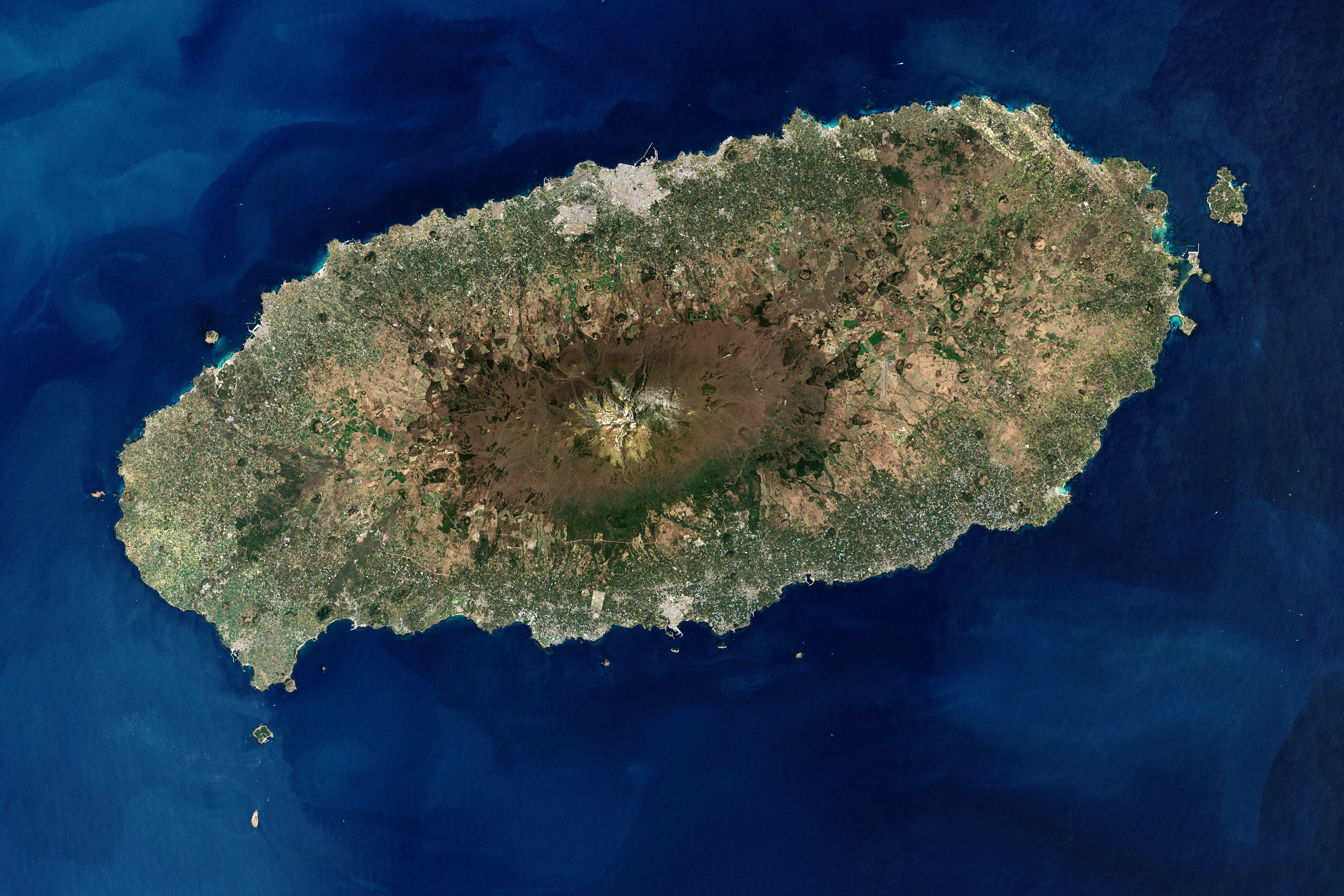
Why I keep coming back to Jeju Island
I have lived in Seoul for fifteen years, and in that time I have taken more foreign friends to Jeju Island than I can count. Americans who want dramatic coastal scenery without a long-haul flight. European backpackers who have done the usual Seoul–Busan trail and want something wilder. Southeast Asian travelers who cannot believe the black lava coastline looks nothing like any beach they have ever seen. And every single time — without exception — the reaction at the airport taxi rank, when Hallasan first appears in the distance above the cloud line, is the same stunned silence. Then someone says something like, “This is still Korea?” Yes. It is still Korea. It is just a completely different Korea from anything you have seen on the mainland.
I want to be honest with you about something before we go any further. Jeju Island is heavily marketed. The tourist machine is real, and if you follow the standard itinerary from a generic travel blog you will spend most of your time in parking lots, souvenir shops shaped like tangerines, and heavily filtered Instagram spots surrounded by selfie sticks. I have watched good friends waste two full days doing exactly that. This guide is my attempt to help you not be those people. I am going to tell you what I actually show my friends, what I skip, what the island genuinely means historically, and how to use your time here so that you leave feeling like you understood something — not just photographed something.
The feeling you cannot manufacture
The first time I brought my American friend Jake to Jeju, it was late October. We had hired a small car (always do this — I will explain later) and we drove along the eastern coast at about six in the morning before any other tourist was awake. The road hugs the shoreline, and to our left the sea was a dark navy blue with white breaks, and to our right the oreum — those small volcanic cinder cones that dot the landscape — were wrapped in morning mist. Jake, who had done Yosemite, who had done the Amalfi Coast, turned to me and said, “Why does nobody talk about this?” The honest answer is: they do talk about it, but the photographs never capture the texture of the place. The volcanic rock under your feet, the wind that comes off the strait, the smell of salt and something faintly mineral. You have to go.
What makes Jeju different from any other Korean destination
Jeju is not just a beach resort. It is South Korea’s largest island, covering 1,833.2 km² — about the size of greater London. It sits in the Korea Strait, roughly 83 kilometers south of the nearest point on the Korean Peninsula. It was formed by a submarine volcanic eruption approximately two million years ago, which means the geology here is genuinely alien compared to the granite mountains of the mainland. The entire island is essentially a shield volcano — Hallasan at the center, lava tubes running underneath your feet, black basalt coastline in every direction. The Cultural Heritage Administration of Korea recognizes the Jeju Volcanic Island and Lava Tubes as a UNESCO World Natural Heritage Site, and it is one of the very few places in Korea that earned that designation purely on geological merit. That tells you something about how seriously the scientific community takes this place.
Beyond geology, Jeju has its own indigenous people — the Jeju people — with their own language that UNESCO classifies as critically endangered. It is one of the regions of Korea where traditional shamanism remains most intact. The famous haenyeo — female free divers who harvest seafood from the ocean floor without breathing equipment — are a living cultural tradition that appears on no other island in this form. Jeju is not just scenery. It has layers, and once you know they are there, the trip becomes something much richer.
For more context on traveling around Korea’s regions, you might also enjoy our regional travel guide series — I cover everything from the southern coast to the DMZ.
A quick history — so you know what you’re actually looking at
Most tourists arrive on Jeju knowing nothing about its history, and I understand why — the marketing focuses entirely on scenery. But I find that when I give my friends even twenty minutes of historical context, the entire landscape opens up differently. Suddenly the stone walls, the fortress ruins, the grandmother diving in the harbor — they all mean something. So here is the compressed version, and I promise it is more dramatic than you expect.
The ancient kingdom of Tamna
Jeju has been populated since the early Neolithic period. For most of its recorded history, it was not part of Korea at all — it was an independent kingdom called Tamna, which translates roughly as “island country.” According to local legend, three divine ancestors — Go (고), Yang (양), and Bu (부) — emerged from three holes in the ground in the 24th century BC. These holes, called the Samseonghyeol (삼성혈), are still preserved in Jeju City today, surrounded by a small forested shrine. When I take friends there, it always surprises them how quiet and genuinely atmospheric the site is compared to the tourist density elsewhere on the island. The stone walls and old trees make it feel like a place that has not been staged.
Tamna remained an independent entity — trading with the Korean kingdoms, with China, with Japan — until 938 AD, when it became a vassal state under the Goryeo dynasty. For those keeping score, that means Jeju was fully independent for longer than most European nations have existed. That independent spirit is still palpable in the way locals talk about the island.
Mongol occupation and the final end of Tamna
The Mongol Yuan dynasty had a significant footprint on Jeju. The island was used as a base for Mongol military campaigns, and interestingly, Jeju became home to a Mongol horse ranch — the descendants of those horses are the famous Jeju ponies (제주마) you can still see on the island today. In April 1330, a Mongol prince named Toghon Temür was sent into exile on Jeju — the island was remote enough and controlled enough that it served as a kind of royal prison at the edge of the known world. In 1404, King Taejong of the Joseon dynasty finally brought the Tamna kingdom to a permanent end, integrating the island fully into the Korean administrative system. From that point, Jeju was Korean — but it never quite stopped feeling like its own place.
The Europeans who got here first (and what they called it)
Here is a piece of history that surprises almost every foreign visitor I have told it to: Jeju Island had European names before it had a standardized Korean romanization. The Portuguese — the first European explorers to sight the island — called it Ilha de Ladrones, meaning “Island of Thieves.” That is not a flattering first impression. Later, Dutch sailors gave it the name Quelpart or Quelpaert, a term attested in Dutch records no later than 1648, possibly named after a Dutch dispatch vessel called the quelpaert de Brack that spotted it around 1642. European maps used “Quelpart” for Jeju for centuries — right up until the Japanese annexation in 1910, after which it was known by the Japanese name Saishū. The current romanization “Jeju” only replaced the older spelling “Cheju” officially on 7 July 2000. All of those layers of naming — indigenous Korean, Mongol, Portuguese, Dutch, Japanese — tell you that this small island sat at the crossroads of a lot of history.
The April 3rd Incident — what you need to know
This is the chapter of Jeju’s history that the tourist industry tends not to advertise, and I think that is a mistake. From April 1948 to May 1949, Jeju was the site of one of the most devastating tragedies in modern Korean history. The Workers’ Party of South Korea launched an insurgency, which was then brutally suppressed by the US-backed government of Syngman Rhee. The scale of the killing is staggering — the official investigation commission in 2003 verified 14,373 deaths, with 86% attributed to security forces, and estimated the total death toll at approximately 30,000. Some sources place the figure as high as 80,000 to 100,000. The commission described the event as a genocide. For decades under successive Korean governments, even mentioning the April 3rd Incident (제주 4·3 사건) was punishable by imprisonment or worse. It was only in 2003 that President Roh Moo-hyun formally apologized to the people of Jeju. There is a dedicated memorial and peace park in Jeju City — the Jeju 4·3 Peace Park — and I strongly recommend visiting it. It will take two hours, it is not cheerful, and it is one of the most important things you can do on the island.
The first time I visited the Jeju 4·3 Peace Park, I went with a Korean friend from Seoul who admitted she had never learned about the incident in school. She was 31 years old. She stood in front of one of the memorial walls for a long time without saying anything. That silence, I think, says more about why this history matters than anything I could write.
What to actually see and do — and what to skip
Let me be direct: Jeju Island has a lot of tourist attractions that exist primarily to extract money from people who flew in and feel like they need to fill their itinerary. Theme parks, museums dedicated to optical illusions, trick art museums, teddy bear exhibitions. I am not going to pretend those do not exist. What I am going to do is tell you what is actually worth your limited time, organized by area of the island, because Jeju is large enough that you need to plan geographically.

Hallasan — the volcano at the center of everything
Hallasan is a shield volcano and, at 1,950 meters, the highest peak in South Korea. Hiking it is one of the genuinely great outdoor experiences available anywhere in East Asia. There are multiple trails — Seongpanak and Yeongsil are the two I usually recommend to foreign friends. The Seongpanak trail is longer and takes you all the way to the summit crater lake, Baeknoktam, which is the kind of thing you feel very smug about having seen. The Yeongsil trail is shorter and better for people who want dramatic volcanic rock scenery without the full-day commitment. A few things I always warn people about: the summit trails have strict cutoff times for entry that change seasonally — always check the current times on the official Jeju National Park website or the Jeju Tourism Organization website before you go. If you miss the cutoff, you will be turned back regardless of how far you have come. I have seen this happen. It is not fun. Also, the weather on Hallasan changes with extraordinary speed. I have started a hike in brilliant sunshine and been soaked by horizontal rain inside forty-five minutes. Layers. Always layers.
Seongsan Ilchulbong — the sunrise peak on the eastern tip
Seongsan Ilchulbong (성산일출봉) is a tuff cone — a crater formed by a hydrovolcanic eruption — on the eastern tip of the island. The name means “Sunrise Peak at Castle Mountain,” and the view from the rim at dawn, when the sun comes up over the sea, is genuinely spectacular. It is also, I will be honest, extremely crowded. The trick is the timing. Most visitors try to do the sunrise, which means arriving at 5 or 6 AM — and it is still packed because every tour bus on the island has the same idea. My advice: go in the late afternoon on a weekday, when the light is golden and the crowds have thinned. The crater itself is UNESCO-listed and genuinely impressive at any time of day. From the top you can also see the small village of Seongsan below, and if you time it right you can watch haenyeo divers performing a demonstration in the waters near the base — check the Jeju Tourism Organization for the current demonstration schedule as it changes seasonally.
Manjanggul Lava Tube — underground Jeju
This one surprises people in the best possible way. Manjanggul is one of the world’s longest lava tubes — formed when the outer surface of a lava flow cooled and hardened while molten lava continued flowing through the interior, eventually draining out and leaving a hollow tunnel. About one kilometer of the tube is open to visitors, and the walk through it is unlike anything else on the island. The ceiling is black basalt, the formations on the floor include a lava column that is considered one of the largest in the world, and the temperature inside stays cool year-round — which makes it an excellent midday option in summer. The portion open to tourists is well-lit and has a solid path, so it is accessible for most fitness levels. Do bring a light jacket regardless of the season outside.
The haenyeo — please treat this with respect
The haenyeo (해녀) — Jeju’s famous female free divers — are not a performance for tourists. They are working fisherwomen who have been diving since childhood, harvesting abalone, sea urchin, and other seafood from depths of up to ten meters on a single breath, with no equipment beyond a wetsuit and a set of simple tools. The haenyeo tradition is listed as a UNESCO Intangible Cultural Heritage. The average age of a working haenyeo is now in the sixties — this is a tradition that the younger generation has largely not continued, which means what you are seeing is genuinely precious and genuinely threatened. There are designated areas where you can watch haenyeo at work, and there are demonstration events. I ask my friends to be quiet and respectful when they do this — these women are not zoo animals, and photography directly in their faces is rude. Buy their seafood from a haenyeo market if you get the chance. That is the most meaningful way to participate.
Jeongbang Waterfall and the southern coastline
Jeongbang Waterfall falls directly into the sea — it is one of the only waterfalls in Asia where this happens, and the dramatic combination of black volcanic rock, white water, and open ocean is genuinely arresting. The southern coastline in general is less visited than the eastern and western ends, and I always try to drive at least part of it with whoever I am guiding. The road through the small fishing villages feels more like the “real” Jeju that existed before the tourist industry arrived — stone walls made of black lava rock, small shrines, tangerine orchards.
Samseonghyeol and Jeju City heritage sites
Jeju City itself gets overlooked in favor of the natural attractions, which I think is a mistake. Beyond the Samseonghyeol founding-myth site I mentioned in the history section, the city has the Jeju Mokgwana — a restored Joseon-era government complex — and Gwandeokjeong, a pavilion built in 1448 that is the oldest surviving building on the island. Walking the old district around these sites gives you a sense of Jeju’s administrative and architectural history that the volcanic landscape, beautiful as it is, cannot provide.
What to skip (my honest list)
I am not going to name specific businesses, but I will tell you the categories: any “museum” themed around optical illusions, love, chocolate, teddy bears, or sex (yes, there is one, it is famous, it is also kind of terrible). The massive organized tangerine-picking experiences that last forty-five minutes and cost a lot. The themed “folk villages” that feel staged. None of these are the Jeju that will stay with you. They are the Jeju that fills space on a rainy afternoon and fills a social media story. Your time is limited. Use it on the real thing.
| Attraction | Type | Best Time to Visit | Admission / Notes | Official Info |
|---|---|---|---|---|
| Hallasan National Park | Volcano / Hiking | Spring (April–May) or Autumn (Oct–Nov) | Free entry; trail cutoff times vary by season — check before going | visitjeju.net |
| Seongsan Ilchulbong | UNESCO tuff cone / viewpoint | Late afternoon (avoid sunrise crowds) | Admission fee applies; as of my last visit, reduced for seniors and children — verify current rates | visitkorea.or.kr |
| Manjanggul Lava Tube | UNESCO geological site | Any season; great midday in summer | Admission fee; ~1km open to public; bring a light jacket | visitjeju.net |
| Jeju 4·3 Peace Park | Memorial / Museum | Weekday mornings (quieter) | Free admission; allow at least 2 hours | visitkorea.or.kr |
| Samseonghyeol | Heritage / Founding myth site | Morning before crowds | Small admission fee; forested, atmospheric | english.cha.go.kr |
| Jeongbang Waterfall | Natural waterfall / Coastal | After rainfall for full flow | Small admission; unique sea-falling waterfall | visitjeju.net |
How to get there and when to go
Getting the logistics wrong on Jeju is genuinely expensive — both in money and in lost time. Let me walk you through the options honestly, because I have seen people make every mistake that is possible to make.
Getting to Jeju: flying versus ferry
The most practical way to reach Jeju Island for most international visitors is by domestic flight from Seoul. The route between Gimpo Airport (Seoul) and Jeju International Airport is, depending on the year, one of the busiest air routes in the world. The flight takes about one hour. Flights are frequent — there are dozens per day — and prices vary enormously depending on how far in advance you book and which carrier you use. Korean Air and Asiana operate full-service flights; Jeju Air, T’way, Jin Air, and other low-cost carriers are significantly cheaper. I always tell my friends: book early, especially for peak season travel (cherry blossom in April, summer in July–August, autumn foliage in October). Prices spike sharply during those windows. You can also fly from Incheon International Airport, though Gimpo is closer to central Seoul and more convenient.
The ferry option exists and is worth knowing about. Ferries run from the southern port city of Mokpo and from Wando, with journey times ranging from roughly four to twelve hours depending on the vessel type and the departure point. I recommend the ferry primarily if you are already traveling the southern coast of Korea and want to incorporate Jeju without backtracking to Seoul — or if you are the kind of traveler who genuinely enjoys a sea crossing. The Korea Tourism Organization’s official tourism portal has current ferry schedule and operator information.
Getting around Jeju: rent a car, always
This is the piece of advice I give every single person I help plan a Jeju trip. Rent a car. The public bus system on Jeju has improved significantly in recent years and it is technically possible to visit the major sites by bus, but the island is large — 73 kilometers east to west — and the best experiences are found on the coastal roads and secondary routes between the famous spots. Those are simply not well served by public transport. A rental car gives you the freedom to stop when the light hits the coastline a certain way, to detour down a road that looks interesting, to leave a site the moment it gets crowded rather than waiting for the next bus. International visitors with a valid international driving permit (IDP) can rent cars on Jeju. If you are American, European, or from most Southeast Asian countries, getting an IDP before you leave home is straightforward. Check your home country’s automobile association for the process — it is typically quick and inexpensive.
If you genuinely cannot or prefer not to drive, organized day tours from Jeju City cover the main sites reasonably well. The Jeju Tourism Organization website lists officially registered tour operators.
When to visit: the honest seasonal breakdown
Jeju has a subtropical climate — even in winter, temperatures rarely drop below 0°C (32°F). That sounds appealing, but it does not mean all seasons are equal for tourism. Here is my honest breakdown:
- Spring (March–May): My personal favorite. Cherry blossoms typically arrive in late March or early April — sometimes slightly earlier than Seoul because of the warmer climate. The rapeseed flower fields (유채꽃) turn sections of the island electric yellow, particularly around Seongsan. Crowds are significant in April but manageable outside of Korean public holidays. The hiking weather on Hallasan is excellent.
- Summer (June–August): Hot, humid, and the peak domestic tourism season. July and August see enormous Korean family groups and large crowds at every attraction. If you are here in summer, get to any outdoor site before 9 AM. Typhoon season runs through this period — Jeju gets direct hits more often than the mainland because of its position in the Korea Strait. Keep an eye on weather forecasts.
- Autumn (September–November): Arguably the best weather of the year. The summer humidity breaks, the skies are clear, and the hillsides of Hallasan turn russet and gold. October in particular is spectacular for hiking. This is also when Jeju’s tangerine harvest begins — the orchards are heavy with fruit and the local markets are full of fresh citrus. Crowds are lighter than spring or summer.
- Winter (December–February): The island can be windy and grey, and the sea crossings and flights occasionally get disrupted by weather. But there are real advantages: minimal crowds, lower prices, and the chance to see Hallasan with snow on its peak while the coast stays relatively mild. If you want Jeju without the crowds and you do not mind some cold coastal wind, January–February is genuinely underrated.
| Method | Departure Point | Journey Time | Practical Notes |
|---|---|---|---|
| Domestic flight (recommended) | Gimpo Airport or Incheon Airport (Seoul) | ~1 hour | Multiple carriers; book early for peak season; Gimpo more convenient from central Seoul |
| Domestic flight (southern cities) | Busan, Daegu, Daejeon | 45–60 min | Good option if combining Jeju with southern Korea itinerary |
| Ferry (fast vessel) | Mokpo or Wando (South Jeolla) | ~2–4 hours depending on vessel | Scenic option; good for travelers already on the southern coast |
| Ferry (slow vessel) | Mokpo | ~10–12 hours | Overnight options available; budget option; weather-dependent |
What to combine it with — half-day, full-day, and two-day plans
Most foreign visitors allocate two to four days to Jeju, and honestly, three full days is the sweet spot. Two days is possible if you are focused and have a car. Four or more days is great if you want to hike Hallasan properly and also explore the slower, less photographed parts of the island. Here are the frameworks I use with my own friends, adjusted by their interests and energy levels.

The focused two-day plan (for people with limited time)
Day One — East Coast and the geology: Start early with Seongsan Ilchulbong. Get there by 7:30 AM before the tour buses arrive, climb to the rim, take your time at the top. Then drive south along the coast to the haenyeo working areas near Seongsan — if the demonstration schedule aligns, watch one. Have lunch at a local seafood market — fresh sea urchin bibimbap (성게비빔밥) is a Jeju specialty that you will not find at this quality anywhere on the mainland. In the afternoon, drive north and inland to Manjanggul Lava Tube. Finish the day back in Jeju City. Eat black pork (흑돼지) for dinner — Jeju’s indigenous black pigs produce pork that is genuinely different in flavor from what you get in Seoul, richer and with more marbling. You will find restaurants specializing in it in the area around the old market in Jeju City.
Day Two — West and Center: Drive west toward the Olle Trail routes — the Jeju Olle Trail is a network of coastal walking paths that circles much of the island, marked with their distinctive blue-orange arrow symbols. You do not need to walk a full section; even thirty minutes on one of the Olle paths along the western black-sand coastline gives you a sense of what the island looks like when you slow down. Then head inland toward Yeongsil — the most dramatic section of the approach to Hallasan even if you are not doing the full summit hike. Finish the afternoon at the Jeju 4·3 Peace Park before your evening flight. It is a solemn end to the trip, but I think that is appropriate.
The three-day plan (my recommendation for most visitors)
Add a full day dedicated to Hallasan. Start the Seongpanak trail at 7 AM. The round trip to the summit crater and back takes roughly eight to ten hours at a comfortable pace. Do not rush the summit — sit with Baeknoktam crater lake for at least twenty minutes if the weather allows. The descent is on a different trail section and the forest around you changes as you lose altitude. This day requires reasonable fitness and proper footwear — trail shoes or hiking boots, not sneakers. Bring more water than you think you need and more food than the trail length suggests, because the altitude and the wind will tire you more than expected.
Adding a half-day for the genuinely curious
If you have an extra half-day, the Samseonghyeol and Gwandeokjeong sites in Jeju City take about ninety minutes to two hours combined and give you the historical grounding that makes everything else on the island feel more connected. I usually do this on an arrival morning when the afternoon flight gets in before lunch. It eases you into Jeju slowly and means you are not immediately rushing to a viewpoint. For more on how to approach Korean heritage sites like this one, see our travel guide section on Korean cultural heritage.
Last autumn, I brought a French couple — Mathieu and Clara — who were convinced they wanted three full days of hiking. By day two, Clara’s knees were complaining and Mathieu wanted to eat somewhere that was not a convenience store. We ended up spending the third morning wandering Jeju City’s old market district, drinking hallabong juice (an orange hybrid grown only on Jeju), buying small tangerine-shaped candy for their children at home. Clara told me it was her favorite morning of the whole Korea trip. Sometimes the unplanned slow day is the one that stays with you.
Honest mistakes to avoid — what goes wrong for foreign visitors
I have been guiding foreign friends through Jeju long enough to have a fairly comprehensive list of the things that go wrong. Most of these are avoidable with thirty minutes of preparation. Here they are, unfiltered.
Not renting a car and regretting it immediately
I have already said this once but it is worth repeating because I see this mistake constantly. People read online that “Jeju has good bus service now” — which is technically true for the major tourist spots — and decide to save money by not renting. Then they spend two days waiting at bus stops in the wind, missing the coastal light because they are locked to a schedule, and unable to stop when they see something beautiful. The bus system will get you to Seongsan and Manjanggul. It will not show you Jeju. Get the car. The cost per day divided by even two people makes it very reasonable. Make sure your international driving permit is valid and that you understand Korean traffic rules before you drive — the speed limits are well enforced and the fine for violations is not trivial.
Underestimating Hallasan’s weather and cutoff times
Hallasan has weather that behaves like a genuinely high-altitude mountain — because it is one. I have seen groups turned back at the summit entrance because they arrived two minutes after the cutoff time. I have seen people reach the summit in sunshine and descend through heavy fog and rain. The trail cutoff times are not suggestions. Check them the day before on the official Jeju National Park page. Leave earlier than you think you need to. Bring a waterproof outer layer regardless of the forecast.
Eating at the tourist strip and missing real Jeju food
Jeju has extraordinary food — but the restaurants immediately adjacent to tourist attractions are rarely the best expression of it. The key dishes to seek out are: black pork (흑돼지 barbecue), sea urchin rice (성게밥 or 성게비빔밥), abalone porridge (전복죽) — slow-cooked, subtle, and deeply comforting — and fresh hallabong, the Jeju citrus hybrid. Go slightly off the main tourist drag. The haenyeo markets near the harbor areas often sell the freshest seafood at fairer prices than the tourist restaurants. Ask your accommodation host or guesthouse owner where they eat — locals almost always have a strong opinion about this and will tell you if you ask directly.
Ignoring the Jeju Olle Trail entirely
Many visitors focus entirely on the “bucket list” sites — Seongsan, Hallasan, Manjanggul — and never walk even one section of the Olle Trail. The Olle Trail is a network of coastal walking routes that total roughly 437 kilometers when all sections are combined, circling and crossing the island. Individual sections range from about 10 to 24 kilometers. Even walking just an hour of a section — following the little blue-and-orange marker ribbons tied to fences and signs — shows you the island at human pace: the lava-rock walls dividing smallholder farmland, the wind off the strait, the sound of the sea on a basalt coast. This is the Jeju that exists between the parking lots.
Not checking flight disruption risk in summer and typhoon season
Because Jeju sits in the Korea Strait, it is more exposed to typhoon systems than the mainland. In July and August, there is a genuine risk of flight cancellations and ferry suspensions due to severe weather. If you are traveling in this window, always have travel insurance that covers disruption, and do not plan a one-day in-and-out trip. Give yourself buffer days if Jeju is a critical part of your itinerary. I have had friends stranded on the island for an extra day due to typhoon conditions — which, in retrospect, they enjoyed, but it caused significant downstream problems for their return flights home.
Treating the haenyeo as a tourist attraction rather than a living culture
I mentioned this in the sights section and I will say it again here because I think it is important. The haenyeo are working women, most of them elderly, performing skilled and physically demanding labor. The diving demonstrations that exist for tourists are one thing — attend those if you want, they are specifically designed for visitors. But if you encounter haenyeo working in the sea or at a harbor market, please behave as you would around any professional doing their job. Do not thrust a camera in their faces. Do not ask them to perform for you. Buy their seafood. Say 감사합니다 (gamsahamnida — thank you). That is the appropriate way to participate in this culture.
I once watched a tourist — a well-meaning one, I am sure — follow a haenyeo across a harbor market for about five minutes trying to get the perfect portrait shot, camera six inches from her face. The woman, who was probably in her seventies and had spent the morning diving in cold water, eventually just turned and walked away. The tourist looked confused. I wanted to explain that the photograph he was so focused on was not actually his to take. Respect is the only currency that matters here.
For more on how to be a respectful visitor to Korean cultural traditions and practices, check out our guide in the learn Korean and culture section of this blog — understanding even a few social norms before you arrive makes an enormous difference.
Frequently asked questions about visiting Jeju Island
Do I need a visa to visit Jeju Island?
As of my last verified understanding, Jeju Island has a special visa-free policy that allows nationals of many countries to visit without a Korean visa — specifically for stays under thirty days and exclusively for the purpose of tourism on Jeju itself. This is separate from the standard Korean visa framework. However, visa policies change, and the specific countries covered and any exceptions are updated periodically. Always verify current requirements through your home country’s relevant government portal or through the Korea Tourism Organization’s official site well before you travel.

How many days should I spend on Jeju?
Three full days is my honest minimum recommendation if you want to combine a Hallasan hike, the eastern highlights (Seongsan, Manjanggul), and some slower exploration of the coastline and Jeju City. Two days is workable if you skip the full Hallasan summit hike. Four or more days rewards explorers who want to walk Olle Trail sections, visit the less-trafficked southern coast, and spend time in local villages without rushing. One day is genuinely insufficient — you will spend most of it in transit and parking lots.
Is Jeju suitable for young children or elderly travelers?
Yes, with planning. Manjanggul Lava Tube and the lower sections of Seongsan Ilchulbong are accessible for most mobility levels. The Jeju 4·3 Peace Park is a flat, walkable site. Hallasan is not appropriate for young children or anyone with significant mobility limitations — the trails are long, steep in places, and require solid footwear. For elderly travelers or families with small children, I would focus on the coastal drives, the Olle Trail sections (which can be walked for any length you choose), the haenyeo demonstrations, and the city heritage sites. These give you a rich experience of the island without the physical demands of the mountain.
What language is spoken on Jeju, and will English be enough?
Korean is the primary language. The indigenous Jeju language — classified by UNESCO as critically endangered — is spoken by very few people now, almost all elderly. English proficiency is higher in tourist areas, major attractions, and hotels than it is in local markets and rural villages. At the Jeju airport, the main tourist sites, and most restaurants near those sites, you will manage with English. In smaller local restaurants and markets, a translation app and some patience will serve you well. Learning a few basic Korean phrases genuinely improves the experience — even a simple 맛있어요 (massisseoyo — “it’s delicious”) in a local restaurant will earn you a warm response. Our Korean language basics guide covers the essentials for travelers.
Can I use a T-money card on Jeju for buses?
Yes. The T-money card — the rechargeable transit card used on Seoul’s subway and buses — also works on Jeju’s public bus network. You can top it up at convenience stores on the island. If you are already using one in Seoul, simply bring it with you.
What is the best food to try on Jeju and where should I eat it?
The non-negotiable Jeju dishes, in my order of recommendation: abalone porridge (전복죽) — have it for breakfast if you can, it is warming and subtle; sea urchin bibimbap or sea urchin rice (성게비빔밥/성게밥) — the sea urchin here is fresher than anything you will find in Seoul; Jeju black pork barbecue (흑돼지구이) — the indigenous black pig produces distinctly flavored meat and you should eat it grilled at a table with side dishes and soju; and hallabong, the Jeju citrus fruit, either fresh or as juice. Avoid eating these things at the airport or in the souvenir sections of tourist sites. Seek out the haenyeo markets for seafood and the local restaurant streets in Jeju City for the pork.
Is Jeju Island safe for solo female travelers?
In my experience and in the consistent feedback from friends I have guided, yes — Jeju is very safe for solo female travelers. Korea has a low violent crime rate overall, and Jeju as a tourist island has a well-established tourism infrastructure. The usual urban common sense applies: be aware of your surroundings, keep valuables secured, do not walk unfamiliar coastal paths alone at night. The Olle Trail sections are well-marked and regularly walked, but I would advise any solo hiker — male or female — to let someone know their intended route when doing Hallasan or long Olle sections alone.
What is the Jeju Olle Trail and do I need to walk all of it?
The Jeju Olle Trail is a series of coastal and rural walking routes that together circle the island, developed over the past two decades as a managed hiking and walking system. The routes are marked with blue-and-orange ribbon markers and small wooden signs. You absolutely do not need to walk all of it — the total network is several hundred kilometers. Most visitors walk one or two sections, or portions of a section. Route 1, starting near Seongsan, and Route 10 on the western coast are two I often recommend as starting points for first-time Olle walkers. The official Olle Trail website has maps and section details; the Jeju Tourism Organization also carries current trail information.
What is the Jeju Volcanic Island and Lava Tubes UNESCO designation?
The Jeju Volcanic Island and Lava Tubes is a UNESCO World Natural Heritage Site, recognized for its outstanding geological value. The designation covers Hallasan Natural Reserve, Seongsan Ilchulbong tuff cone, and the Geomunoreum lava tube system — of which Manjanggul is the most accessible section for visitors. The Cultural Heritage Administration of Korea has official documentation on all Korean UNESCO-listed sites including this one. The designation was granted in 2007 and marked the first UNESCO natural heritage site on the Korean Peninsula.
Can I visit Jeju as a day trip from Seoul?
Technically yes — the flight is only one hour and there are early morning departures. But I strongly advise against it. A day trip means you will spend roughly four to six hours of your waking time on transport (airport check-in, flight, taxi to sites, return). What remains is a rushed tour of one or two sites in the middle of the day when they are most crowded. You will not see Jeju at dawn or dusk. You will not eat well. You will come home exhausted and vaguely disappointed. Stay at least two nights. Three is better.
Is there anything I should know about the local Jeju culture that differs from mainland Korea?
Yes, and I find this fascinating. Jeju has historical cultural differences from the mainland that are still perceptible. The matriarchal economic structure built around the haenyeo tradition means that Jeju society has historically placed greater economic agency in women’s hands than was typical on the mainland — women were often the primary earners while men farmed. The local shamanism traditions (무속) are more intact here than almost anywhere else in Korea. The Jeju language — while rarely spoken now — is so different from standard Korean that mainland Koreans cannot understand it. The stone grandfather statues called dolhareubang (돌하르방) — the round-eyed, mushroom-hatted black basalt figures you will see everywhere on the island — are unique to Jeju and serve as guardian figures at village entrances. They are one of the most distinctive visual symbols of the island and genuinely ancient in origin, though many of what you see today are modern replicas. The originals, created in the Joseon period, are preserved and catalogued by the Cultural Heritage Administration.
Final thoughts from a local who has stood at the edge of Hallasan in the rain
I want to end with something honest. Jeju Island is genuinely one of the most remarkable places in East Asia, and it is simultaneously one of the most over-touristed and under-understood places I know. Those two things are both true at the same time. The crowds at Seongsan at sunrise, the selfie sticks at every viewpoint, the tangerine-shaped everything in the souvenir shops — these are real, and they can grind you down if you let them. But thirty meters off the main path, there is almost always a version of Jeju that is quiet and strange and deeply itself. The lava rock, the wind, the old woman sitting outside a small restaurant, the sound of the sea on a coastline that looks like nothing else in Korea.
Go knowing the history. Know that the ground you are walking on was formed by fire two million years ago. Know that the women diving in the harbor are doing something their grandmothers taught them and their grandmothers’ grandmothers taught before that. Know that the island was independent for most of its history, that it survived a devastation in 1948 that the country barely spoke about for fifty years, that its language is now spoken by so few people that UNESCO has marked it for emergency attention. Know all of that, and then go stand at the edge of the Seongsan crater at dawn when the sun comes up over the Korea Strait and turns everything gold and orange. You will understand why I keep coming back.
I was on Jeju alone in February two years ago — I had gone specifically to hike Hallasan in winter. On the way down from the summit, a sudden fog came in and I could not see more than ten meters in any direction. I stood still for a moment, slightly anxious, and then realized: I was standing inside a cloud, on top of a volcano, on an island in the middle of the sea. The fog was not the problem. The fog was the point. Sometimes Korea surprises you even after fifteen years.
If you found this guide useful, you might also enjoy the other entries in our Korea travel guide series, where I cover destinations across the peninsula with the same level of detail. And if you want to get more out of your trip by learning some Korean before you go, our Korean language for travelers section has everything you need to start.
Safe travels. Take your time. And please, go easy on the selfie sticks near the haenyeo.