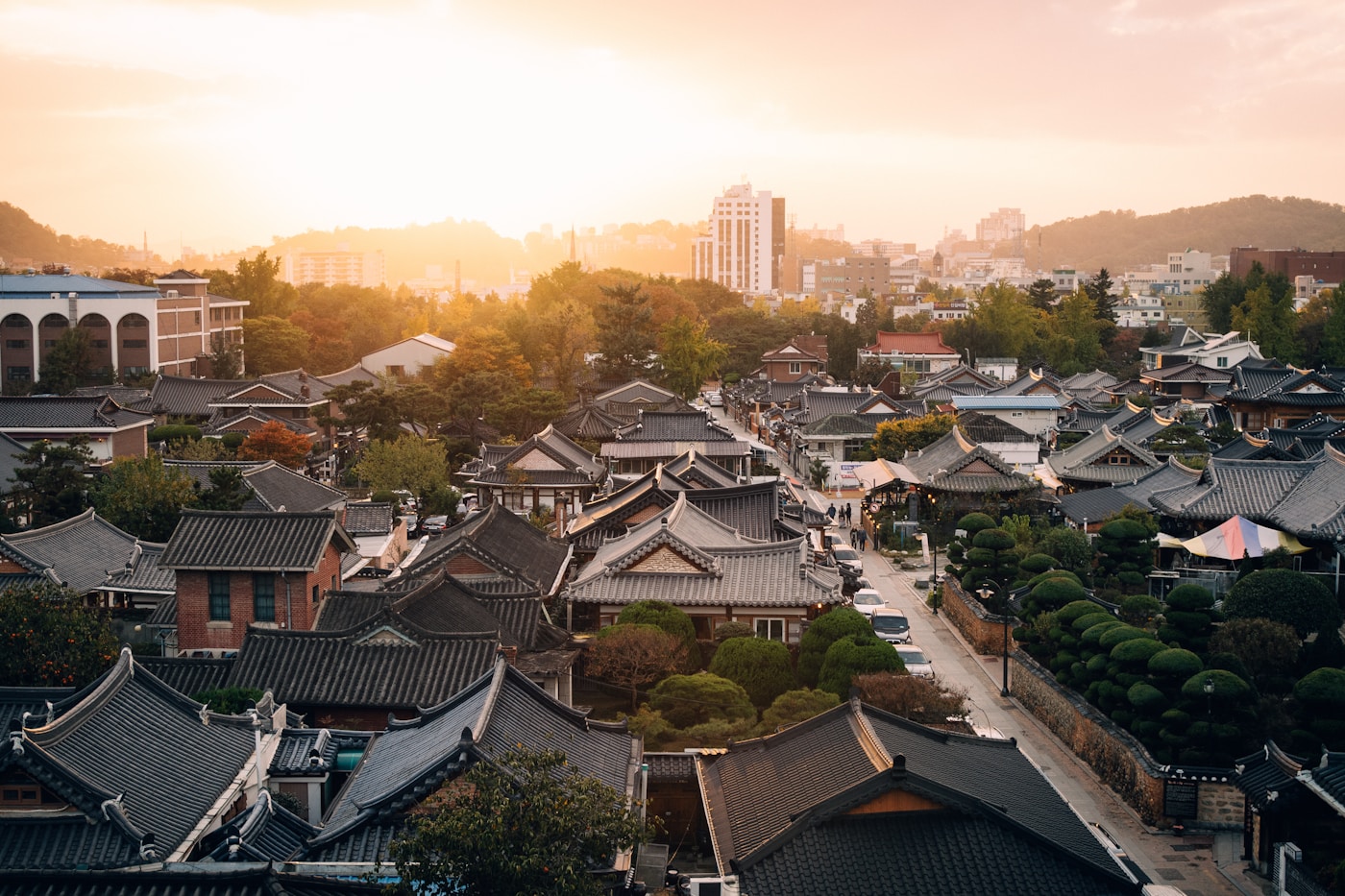
This is my Jeju Island Complete Travel Guide — Everything You Need to Know — and after a decade of visiting this volcanic island off Korea’s southern coast, I can honestly tell you no single trip is ever enough. Jeju isn’t just a weekend escape from Seoul; it’s an entirely different world — one where haenyeo divers surface from the sea clutching abalone, where lava tubes stretch underground for kilometers, and where a dormant volcano anchors the island’s soul with such quiet authority that even locals speak about Hallasan the way people speak about a beloved elder. From the moment your plane banks over the coastline and you catch that first flash of black volcanic rock against turquoise water, something shifts in you, and you understand immediately why Koreans have been calling this their “island of the gods” for centuries.
I’ve watched Jeju change enormously — boutique cafés now line roads that were pure sugarcane fields ten years ago, and the weekend crowds at Seongsan Ilchulbong can feel almost overwhelming in peak season. But here’s the thing: the soul of this island is stubborn and ancient, and it refuses to be completely domesticated by tourism. Push past the Instagram hotspots, rent a car and drive the coastal highway at dawn when the tangerine orchards are still wrapped in mist, and you will find a Jeju that still belongs entirely to itself. This guide is built to help you find exactly that version of the island.
Getting to Jeju Island — Flights, Ferries, and the First Hour
The fastest and by far most popular way to reach Jeju Island is by plane, and the domestic air route between Seoul (Gimpo Airport) and Jeju International Airport is one of the busiest flight corridors on the entire planet. The flight takes just about 55 minutes, and budget carriers like Jeju Air, T’way, and Jin Air operate it constantly — you can often snag a one-way ticket for as little as ₩25,000–₩60,000 (~$18–$45) if you book two to three weeks ahead. I always check Naver Flights first because it aggregates Korean carriers that platforms like Google Flights sometimes miss. From Busan’s Gimhae Airport, the flight is only 35 minutes and tends to be a fraction cheaper. If you’re traveling from Seoul with extra time and a taste for adventure, the overnight ferry from Mokpo or Wando on the mainland takes about 12 hours and drops you right into Jeju’s old port area — it’s not luxurious, but there’s something deeply satisfying about waking up to Jeju’s coastline at 6am.
Once you land at Jeju International Airport, your most important decision is transport, and I will be direct: Jeju Island is one of the very few places in Korea where I genuinely recommend renting a car. The public bus system (called the 간선버스, or trunk bus network) was overhauled in 2017 and is technically functional, but wait times at rural stops can stretch to 40–60 minutes, and the island’s best coastline spots require a level of spontaneity that buses simply can’t support. Rental cars at the airport start around ₩40,000–₩70,000 (~$30–$53) per day for a compact — book through Lotte Rent-a-Car or SK Rent-a-Car’s Korean websites for the best rates. The insider trick: ask for a vehicle with a built-in dashcam, because Jeju’s narrow hillside roads have blind corners and local drivers move confidently through them.
Where to Stay in Jeju — Neighborhoods, Honest Picks, and One Secret Area
Jeju City in the north is where most first-timers base themselves, and it makes logistical sense — the airport is here, the ferry terminal is here, and the main bus terminal is here. The Yeon-dong and Nohyeong-dong areas near the airport have the highest concentration of hotels at every price point, and you’ll find decent mid-range options like Ramada Plaza Jeju for around ₩120,000–₩180,000 (~$90–$135) per night. But if you’ve been to Jeju before or you simply want a more atmospheric experience, I’d push you firmly toward Seogwipo on the island’s southern coast. The light is different in Seogwipo — it’s warmer, the citrus groves crowd right up to the roads, and the famous Cheonjiyeon and Jeongbang waterfalls are a short walk from many guesthouses. The neighborhood around Seogwipo’s Olle Market and the old fishing harbor has a handful of small boutique pensions charging ₩80,000–₩150,000 (~$60–$113) per night that genuinely feel like staying in someone’s beautifully designed home.
Now for the secret area that most guides skip entirely: the eastern coast between Pyoseon and Sincheon, particularly around Haenyeo Village near Hado-ri. This stretch of coastline has some of Jeju’s most dramatic black-rock shoreline, almost no tour buses, and a cluster of new café-pensions that opened in the last three years