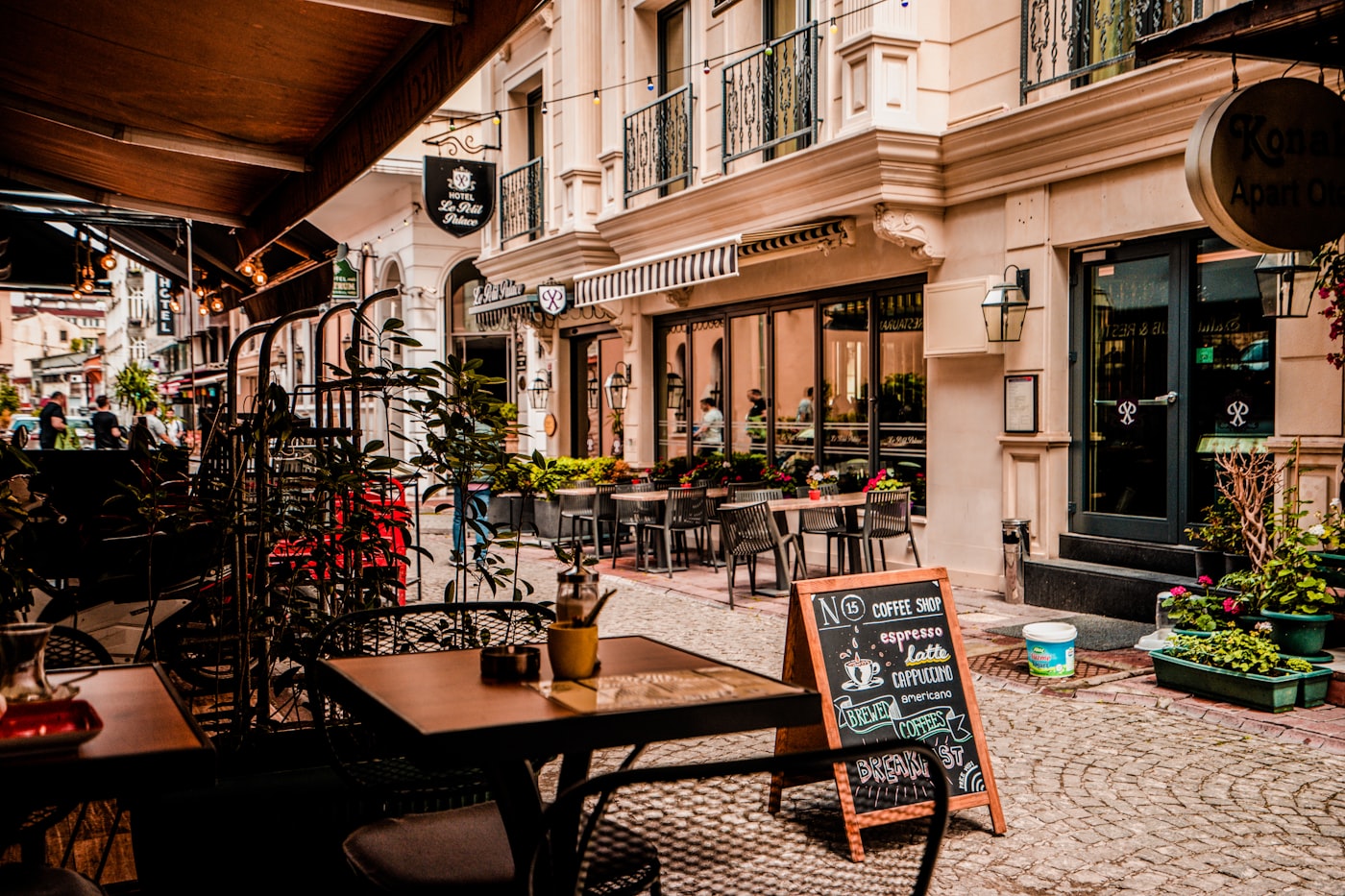
If you’ve ever wanted the definitive Best Cafes in Seoul — A Neighborhood-by-Neighborhood Guide, you’re in exactly the right place, because I’ve spent over a decade caffeinating my way through every alley, rooftop, and repurposed hanok in this city. Seoul’s café culture isn’t just about coffee — it is a full sensory experience where the architecture competes with the latte art, the plating rivals any fine-dining dessert spread, and the playlist feels personally curated for your mood. Koreans take their café spaces extraordinarily seriously, and once you understand that, every neighborhood suddenly reads like its own coffee chapter.
What I love most about Seoul’s café scene is how radically different it feels from one neighborhood to the next. The brooding, concrete-heavy specialty coffee shops of Seongsu-dong feel like a completely different universe from the pastel-drenched dessert cafés of Yeonnam-dong, which feel nothing like the hushed, centuries-old hanok teahouses tucked into Bukchon’s stone-walled lanes. This guide won’t just hand you a list — I’m going to walk you through the personality of each neighborhood so you can find your own Seoul café story, the way I found mine.
Seongsu-dong & Hapjeong: Seoul’s Specialty Coffee Heartland
If you want to understand where Seoul’s café scene is setting the global pace right now, get yourself to Seongsu-dong — Line 2, Exit 3 — and just start walking. This former industrial leather district has been quietly transforming since around 2015, and today its raw brick walls and exposed steel beams house some of the most technically rigorous specialty coffee operations in Asia. Café Onion (카페 어니언) in a converted 1970s factory is probably the most Instagrammed interior in all of Seoul, but don’t let the queues fool you — the croissants and rice lattes (₩7,000, ~$5.25) are genuinely excellent. The insider move here is to arrive at 8am on a weekday when the light pours through the cracked concrete ceiling and the line hasn’t formed yet. Across the Han River in Hapjeong, Fritz Coffee Company (프릳츠 커피 컴퍼니) on Line 6, Exit 3 is where Seoul’s barista community actually drinks on their days off — the house blend is roasted in-house, and the bear-shaped logo on your paper cup has become something of a cult symbol. Their single-origin pour-overs start at ₩8,500 (~$6.40), and the apple cinnamon scone sells out before 10am, so you’ve been warned.
Yeonnam-dong, Mangwon & Hongdae: Where Character Cafés Are Born
Pull up Line 2 to Hongik University Station (홍대입구역) and walk north into Yeonnam-dong — this is arguably Seoul’s most walkable café neighborhood, and the one I personally return to most. The former railway greenway called Gyeongui Line Forest Park cuts right through it, and on both sides you’ll find cafés that feel like living room art installations. Thanks Nature Café is famous for having a live sheep grazing on the roof garden — yes, really — and while it’s quirky, it represents something genuine about Yeonnam’s playful spirit. For serious coffee, though, Café Bora (카페 보라) in nearby Insadong started the purple-tinted boba and soft-serve trend that swept Instagram in 2018; a black sesame latte runs ₩6,500 (~$4.90). Just down the road in Mangwon, hit Line 6, Exit 2 and look for Café Mamas — a tiny all-day brunch spot where the owners grow herbs on the windowsill and the egg salad sandwich on thick milk bread costs only ₩5,500 (~$4.15). The neighborhood detail most tourists miss: Yeonnam’s best cafés are almost all on the side streets, not the main Donggyo-ro boulevard. Turn off that main road and you’ll discover entire café clusters that feel completely undiscovered.
Bukchon, Insadong & Ikseon-dong: Tradition Steeped in Every Cup
There is a particular kind of magic that happens when you drink a warm bowl of sikhye (sweet rice punch) inside a 600-year-old hanok while snow drifts past a paper-screen window, and you can find exactly that in Bukchon and the connected lanes of Ikseon-dong. Take Line 3 to Anguk Station, Exit 1, and walk uphill into the hanok village — the narrow alleys