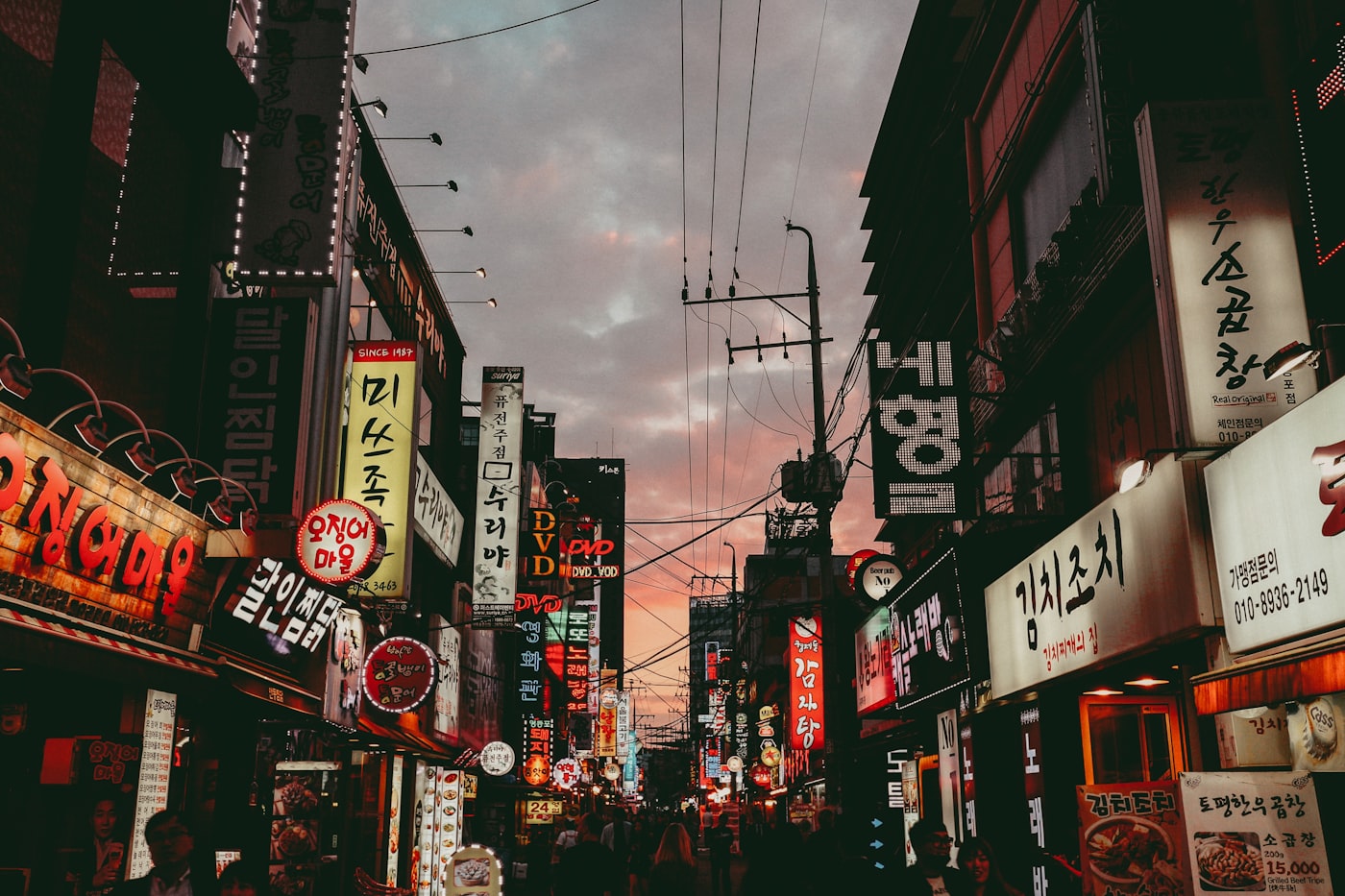
Welcome — this Korean Greetings Guide: 20 Ways to Say Hello and Goodbye is the perfect starting point if you have never studied a single word of Korean in your life. Greetings are the front door of any language. Master them first, and every conversation you ever have in Korean will begin with confidence. The great news? Korean greetings follow clear, logical patterns — and once you learn a handful of them, you will notice they recycle the same building blocks over and over again.
Before we dive in, let’s talk about the Korean writing system for just a moment. Korean uses an alphabet called Hangul (한글), which was invented in 1443 by King Sejong the Great specifically to be easy to learn. Each character you see is not a complex symbol — it is a combination of simple shapes representing individual sounds, much like letters in English. You do not need to be able to write Hangul perfectly today, but throughout this guide, every Korean phrase will be shown in Hangul alongside a romanization (the sounds written in English letters) and a phonetic pronunciation guide so you can start speaking immediately.
One more thing before we begin: Korean is a language that takes social context seriously. Whether you are speaking to a close friend, a stranger on the street, or your boss matters enormously — and that is reflected directly in how you say hello and goodbye. This guide will walk you through formal, informal, and casual greetings so you always know exactly which one to use and why. Let’s go!
The Most Important Korean Greeting — Your First Hello
The single most important Korean greeting you will ever learn is 안녕하세요 (annyeonghaseyo) [ahn-NYUNG-ha-seh-yo] — “Hello / How are you?” This is your all-purpose, go-everywhere, safe-in-every-situation greeting. Use it with strangers, shop owners, teachers, coworkers — basically anyone you are not extremely close friends with. It is polite without being stiff, and every Korean person will appreciate hearing it from you.
Let’s break the sounds down so you can say this perfectly. The “ahn” sounds exactly like the English word “on” with a slight “ah” at the front. The “NYUNG” is the stressed syllable — think of saying “young” but start it with an “n.” The “ha-seh-yo” flows like “ha-say-yo.” Put it together slowly: ahn… NYUNG… ha… seh… yo. Now speed it up. You’ve got it. Hearing a foreigner say this correctly will genuinely make a Korean person light up with delight.
💡 Teacher’s Tip
Think of 안녕하세요 as your Swiss Army knife greeting. The word 안녕 (annyeong) at its core means “peace” or “well-being.” So you are literally wishing someone peace when you greet them — how beautiful is that? Whenever you feel nervous about speaking Korean, just remember: you’re not just saying hello, you’re wishing someone well. That mindset shift makes it much easier to say out loud.
Formal Korean Greetings — When Politeness Matters Most
Korean has a built-in system of speech levels called 존댓말 (jondaetmal) [jon-DAET-mal] — “formal/polite speech.” When you are meeting someone for the first time, speaking to someone older than you, or in a professional setting, you always use formal greetings. Think of it as the difference between walking into a job interview and saying “Hey!” versus “Good morning.” Both are valid — but context determines which is right. Here are the essential formal Korean hello and goodbye phrases you need to know.
| Korean (한글) | Romanization | English Sound [phonetic] | English Meaning |
|---|---|---|---|
| 안녕하세요 | annyeonghaseyo | [ahn-NYUNG-ha-seh-yo] | “Hello / How are you?” (formal polite) |
| 안녕하십니까 | annyeonghasimnikka | [ahn-NYUNG-ha-shim-ni-KKA] | “Hello” (very formal — business/military) |
| 처음 뵙겠습니다 | cheoeum boepgesseumnida | [CHUH-eum BWEP-get-seum-ni-da] | “Nice to meet you for the first time” |
| 안녕히 계세요 | annyeonghi gyeseyo | [ahn-NYUNG-hee GYEH-seh-yo] | “Goodbye” (said by the one leaving — to someone staying) |
| 안녕히 가세요 | annyeonghi gaseyo | [ahn-NYUNG-hee GA-seh-yo] | “Goodbye” (said by the one staying — to someone leaving) |
Pay special attention to those two goodbye phrases — this is something English does not do at all, and it trips up beginners constantly. In Korean, the way you say goodbye depends on whether you are the one walking away or the one staying put. 안녕히 가세요 (annyeonghi gaseyo) [ahn-NYUNG-hee GA-seh-yo] — “Please go in peace” is said by the person who stays. 안녕히 계세요 (annyeonghi gyeseyo) [ahn-NYUNG-hee GYEH-seh-yo] — “Please stay in peace” is said by the person who leaves. A simple memory trick: 가 (ga) means “go” — so if they go, you say ga. 계 (gye) means “stay” — so if you go, you wish them to stay peacefully.
Casual Korean Greetings — What Friends Actually Say
Once you are close with someone — a friend your own age, a younger sibling, or someone who has explicitly invited informal speech — you switch to 반말 (banmal) [BAN-mal] — “casual speech.” These are the greetings you will hear constantly in Korean dramas, K-pop interviews, and everyday friend groups. They are shorter, snappier, and honestly a lot of fun to say.
| Korean (한글) | Romanization | English Sound [phonetic] | English Meaning |
|---|